Pull to refresh
Logo
Daily Brief
Following
Why Ranks Sign Up
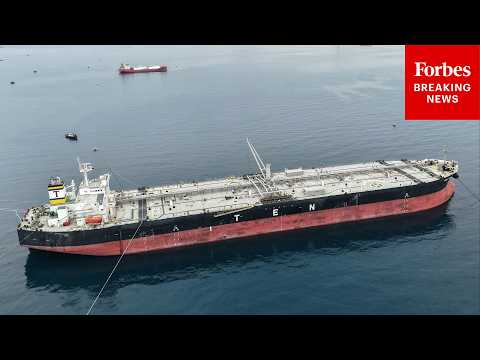
US keeps seizing Iran-linked tankers after lifting Hormuz blockade

US keeps seizing Iran-linked tankers after lifting Hormuz blockade

Force in Play

Iran rejects the US nuclear proposal and claims it shot down a US Apache near the strait

June 9th, 2026: Iran rejects US nuclear proposal, offers counteroffer through Oman

Overview

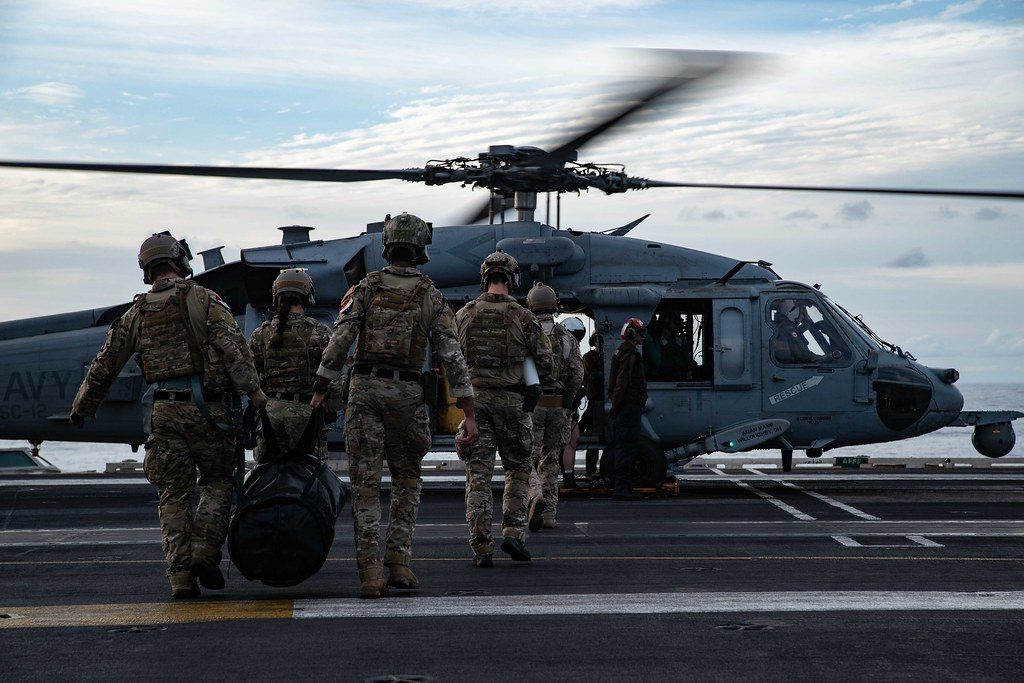
On June 8, a US Navy F/A-18 from USS Abraham Lincoln disabled the Palau-flagged tanker Marivex in the Gulf of Oman, the seventh vessel put out of action since April 13. The next day, a US Army Apache went down near the Strait of Hormuz. Iran's IRGC Navy claimed a speedboat shot it down; CENTCOM's investigation remains open.

Both Apache crew were rescued by sea drone, the first such US military rescue on record. Also on June 9, Iran rejected Trump's latest nuclear proposal but said it would send a counteroffer through Omani mediators. The May 29 ceasefire window is still intact, but both sides are trading fire and the deal framework is unsettled.

Why it matters

US and Iran are now trading strikes near the Strait of Hormuz, where a fifth of the world's seaborne oil passes.

Questions about this story

No questions yet — be the first to ask.

Key Indicators

134
Vessels redirected since April
US forces have also disabled seven others during the campaign.
60 days
Ceasefire memorandum window
The May 29 deal set a 60-day window for nuclear talks. Eleven days in, both sides are trading fire, Iran has rejected Trump's latest proposal, and a counteroffer is en route through Oman.

Voices

Curated perspectives — historical figures and your fellow readers.

Ever wondered what historical figures would say about today's headlines?

Sign up to generate historical perspectives on this story.

Play

Exploring all sides of a story is often best achieved with Play.

Log in to play. Track your picks, climb the leaderboards. Log in Sign Up
Predict 6 ways this could play out. Contrarian picks score more — points lock when the scenario resolves. Log in to play
Higher or Lower Two numbers from this story. Guess which is bigger. 5 rounds to set a streak. Log in to play
Timeline Five events from this story — drag them oldest to newest. Log in to play
Connections Sixteen names from the news. Find the four hidden groups of four. Log in to play

People Involved

Organizations Involved

Timeline

February 2026 June 2026

10 events Latest: June 9th, 2026 · 1 month ago
Tap a bar to jump to that date
  1. Iran rejects US nuclear proposal, offers counteroffer through Oman

    Latest Diplomacy

    Iran formally rejected Trump's latest nuclear deal proposal but announced it would submit a counteroffer through Omani mediators, keeping the 60-day ceasefire window from collapsing.

  2. US Navy F/A-18 disables tanker Marivex in Gulf of Oman

    Interdiction

    A Super Hornet from USS Abraham Lincoln fired a precision munition into the Palau-flagged tanker Marivex after it failed to comply with blockade orders and continued toward an Iranian port. It is the seventh vessel CENTCOM has disabled since April 13.

  3. Iran launches four attack drones at the Strait of Hormuz; CENTCOM shoots them down

    Military Action

    Iran launched four one-way attack drones toward the Strait of Hormuz, which CENTCOM said "posed an immediate threat to regional maritime traffic." US forces shot down all four.

  4. US strikes Iranian radar stations in Goruk and on Qeshm Island

    Military Action

    CENTCOM struck Iranian coastal surveillance radar stations at Goruk and on Qeshm Island to "defend against further maritime attacks." Iran called the strikes a ceasefire violation. An Iranian official separately told CBS News that nuclear talks are at a "deadlock."

  5. US forces board the Davina in the Indian Ocean

    Interdiction

    Indo-Pacific Command announces an overnight boarding of the stateless supertanker Davina off Sri Lanka. It is the third such interdiction in the Indian Ocean since April, and it lands after the formal blockade ended.

  6. Trump announces blockade lifted under 60-day memorandum

    Diplomacy

    A 60-day memorandum extends the ceasefire and opens nuclear talks. Iran disputes parts of the terms. Restrictions in the strait are to ease; Iran is to clear mines within 30 days.

  7. US forces board sanctioned tanker MT Tifani

    Interdiction

    Another boarding tightens pressure on tankers tied to Iran's oil trade.

  8. USS Spruance seizes Iranian cargo ship Touska

    Interdiction

    US forces disable the ship's engine and take control, an early seizure under the blockade.

  9. US naval blockade of Iran takes effect

    Military Action

    Under CENTCOM and Admiral Brad Cooper, the US blockades vessels traveling to or from Iranian ports.

  10. US and Israel strike Iran; Hormuz traffic halts

    Conflict

    Airstrikes hit Iranian military and government sites. Shipping through the Strait of Hormuz largely stops.

Historical Context

3 moments from history that rhyme with this story — and how they unfolded.

July 1987-August 1988

The Tanker War and Operation Earnest Will (1987-1988)

During the Iran-Iraq War, both sides attacked oil tankers in the Gulf. The US reflagged Kuwaiti tankers as American and escorted them through the strait. Clashes followed, including the 1988 Operation Praying Mantis, the largest US surface naval battle since World War II.

Then

US escorts kept oil moving and damaged Iran's navy. The fighting raised the risk of wider war in the Gulf.

Now

It set a precedent for the US Navy policing Gulf shipping lanes, a role it has played in some form ever since.

Why this matters now

It shows the US using naval force to keep oil flowing on its terms in the same waters, and how quickly tanker clashes can escalate.

July 2019

Gibraltar tanker seizures (2019)

British forces seized the Iranian tanker Grace 1 off Gibraltar over suspected sanctions-busting oil shipments to Syria. Iran responded weeks later by seizing the British-flagged Stena Impero in the Strait of Hormuz.

Then

Both ships were eventually released after a tense standoff. Shipping insurers raised premiums across the Gulf.

Now

The episode mapped out the tit-for-tat pattern of tanker seizures that still governs US-Iran maritime friction.

Why this matters now

It is the clearest recent model for how boarding one Iran-linked tanker can trigger Iranian retaliation against other ships.

October 1962

Cuban Missile Crisis quarantine (1962)

President Kennedy ordered a naval 'quarantine' of Cuba to stop Soviet missile shipments. The US chose that word over 'blockade,' which is an act of war under international law. US ships stopped and inspected vessels bound for the island.

Then

The Soviet Union turned its ships around and removed the missiles. The world stepped back from nuclear war.

Now

It became the textbook case of naval interdiction used as coercion short of open conflict.

Why this matters now

It explains why naming matters: a 'blockade' carries legal weight, so framing today's effort as 'enforcement wherever they operate' keeps options open.

Sources

(23)