On May 10, Trump called Iran's MOU counteroffer 'garbage' and declared the ceasefire on 'life support.' Three weeks later, negotiators reached a tentative memorandum of understanding: Iran would freeze enrichment and hand over its 440 kg stockpile of 60%-enriched uranium; the US would lift sanctions and release frozen assets; the Strait would formally reopen within 30 days of signing.
Trump lifted the US naval blockade on May 29 — after 46 days and 115 vessels turned away — without a signed deal in hand. The Strait now has two parallel lanes: a US-guided corridor that moved roughly 70 ships in three weeks, and an IRGC route through Iranian waters where Tehran charges fees and boards vessels. Fighting hasn't stopped — Iran struck the MSC Panaya container ship on June 3; on June 6, US forces downed four Iranian drones and hit radar sites at Goruk and Qeshm.
Why it matters
A tentative deal could reopen the Strait and ease $94/bbl oil — but 20,000+ seafarers remain stranded and Iranian drone strikes continue daily.
Questions about this story
Free account needed to ask — your question is kept and asked for you right after sign-up. Answers are public.
No questions yet — be the first to ask.
Key Indicators
~8% of normal
Daily Strait of Hormuz transits
The US-guided corridor has moved roughly 70 ships in and out of the Gulf over three weeks. Iran's IRGC-controlled lane through its own territorial waters handles additional traffic. Combined, this is still far below the pre-war 138 vessels per day.
20,000+
Stranded seafarers
Crew members remain trapped aboard vessels inside the Gulf. The Strait has not formally reopened and no mass evacuation has occurred despite limited transits through the US corridor.
~200
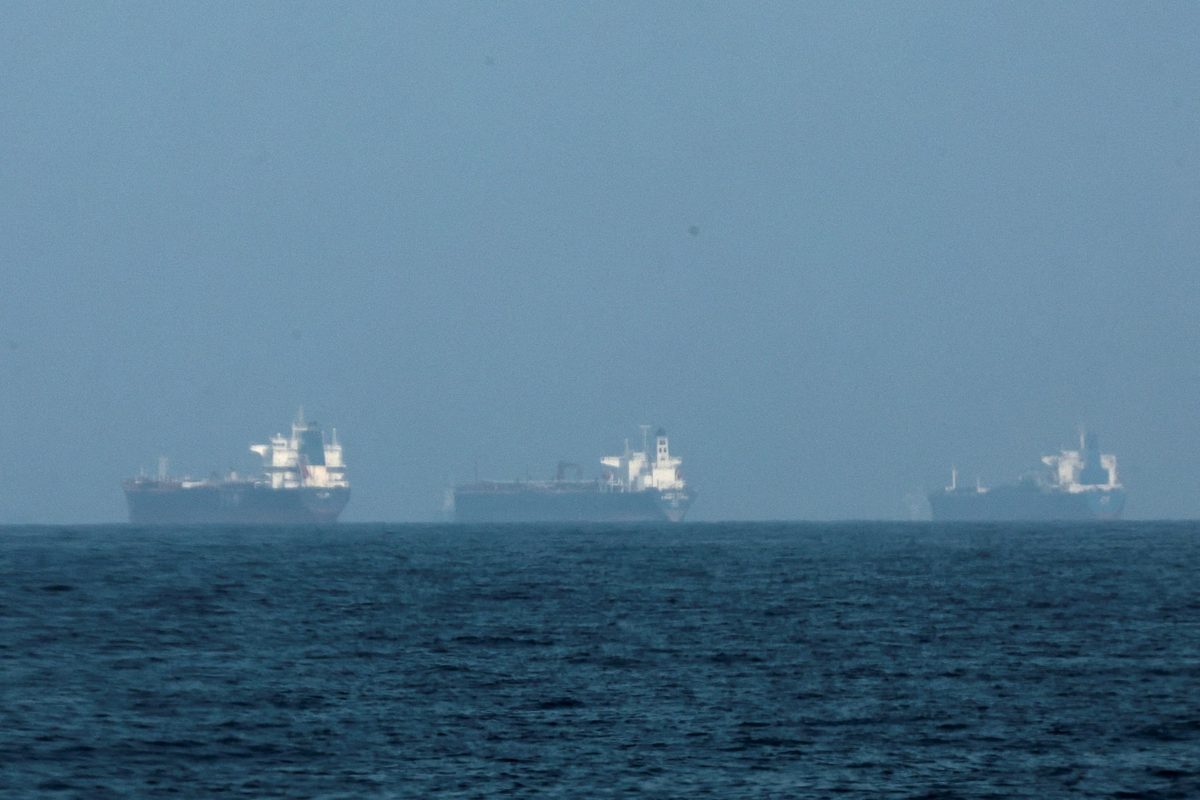
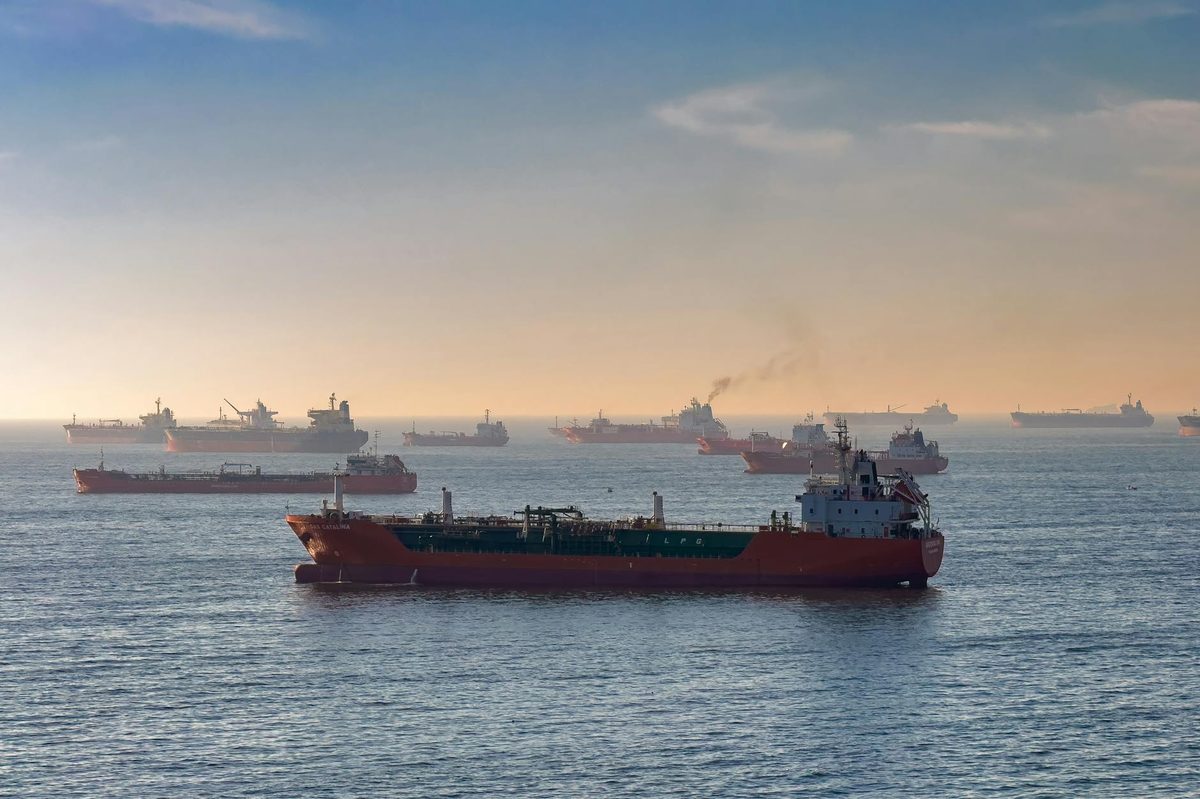
Tankers trapped in the Gulf
VLCCs are idling with millions of barrels. Some have exited via the US-guided corridor, but the IRGC's formal Strait closure continues to block most traffic.
~$94/bbl
Brent crude price
Fell from the conflict's peak of ~$114/bbl as the tentative MOU advanced negotiations. Goldman Sachs projects prices will average above $100/bbl if the Strait remains mostly shut for another month.
45+
Vessel and port incidents reported
UANI confirmed 45 maritime incidents involving commercial vessels and offshore infrastructure as of June 5, including the MSC Panaya attack on June 3 and the Goruk and Qeshm radar strikes on June 6.
Lifted May 29
US naval blockade of Iran
CENTCOM's blockade ran April 13 to May 29 (46 days), turning away 115 vessels. Trump lifted it ahead of a tentative MOU, before either side formally signed.
36 events
Latest: June 3rd, 2026 · 3 months ago
Showing 8 of 36
JK to step
Tap a bar to jump to that date
Jump to
June 2026
IRGC strikes MSC Panaya; claims missile and drone hits on US Fifth Fleet and Kuwait base — US denies all succeeded
LatestMilitary
The IRGC struck the Liberian-flagged container ship MSC Panaya in the Strait, saying it was retaliation for a US strike on the Iranian tanker Lexie. Iran also claimed missile and drone attacks on the US Fifth Fleet headquarters in Bahrain and Ali Al Salem Air Base in Kuwait; US Central Command said all attacks on American forces failed.
Strait splits into parallel US-guided and IRGC-controlled shipping lanes
Economic
US Central Command guided roughly 70 ships through the Gulf in three weeks via a corridor that avoids Iranian coastal waters. Iran's IRGC separately published an 'alternative route' map routing ships through Iranian territorial waters past Larak Island, where Iranian naval forces can board and inspect cargoes.
May 2026
Trump lifts US naval blockade of Iran; Brent crude drops ~20% from conflict peak
Military
Trump announced on Truth Social that the US naval blockade of Iranian ports was over, 46 days after it began. CENTCOM had turned away 115 commercial vessels. Trump then held a Situation Room session but ended it without announcing a final decision on the broader MOU. Oil prices fell sharply, with Brent crude dropping roughly 20% from the conflict peak.
US and Iran reach tentative MOU; Trump and Iranian supreme leader yet to sign
Diplomatic
Negotiators agreed on a tentative memorandum: Iran would halt enrichment and hand over its 440 kg of 60%-enriched uranium; the US would lift sanctions and release frozen assets; the Strait would formally reopen within 30 days of signing. Treasury Secretary Scott Bessent said the deal hinged entirely on Trump's decision, and Iran's supreme leader had not yet confirmed.
Trump says Iran deal 'largely negotiated,' to be announced soon
Diplomatic
Trump told reporters an MOU with Iran was close to finalized and would be announced soon, reversing his 'life support' tone from two weeks earlier. Axios published deal details including terms on enriched uranium, sanctions, and Strait access.
UK deploys HMS Dragon toward Middle East for potential Hormuz escort mission
Military
The Royal Navy Type 45 destroyer HMS Dragon sailed toward the region to position for a future multinational Hormuz escort mission; the UK also began preparing mine-clearing divers for potential strait operations.
Trump said he didn't finish reading Iran's proposal, calling it 'a piece of garbage.' Iran had demanded an end to all fighting, lifting of oil sanctions, and release of frozen assets — without the nuclear concessions the US required.
US warplanes disable two Iranian tankers breaching blockade; 14-point peace deal disclosed
Military
A US Navy warplane fired into the smokestacks of Iranian tankers M/T Sea Star III and M/T Sevda, disabling both after they tried to breach the blockade. Separately, US officials said both sides were close to a 14-point memorandum of understanding that would end the war, lift blockades, and commit Iran to a nuclear enrichment moratorium.
US and Iran exchange direct fire in Strait; CENTCOM strikes Qeshm and Bandar Abbas
Military
Iranian forces attacked USS Truxtun, USS Rafael Peralta, and USS Mason with missiles, drones, and fast boats as the three destroyers transited the Strait. CENTCOM intercepted all threats and struck Iranian military sites at Qeshm and Bandar Abbas, including missile launch pads, command posts, and surveillance nodes; both sides accused the other of firing first.
Project Freedom suspended after 48 hours; just two ships guided through Hormuz
Military
The US military paused Operation Project Freedom after only two commercial vessels transited Hormuz under escort, including one Maersk subsidiary ship. Trump said the US would no longer guide ships through the Strait while Iran's blockade remained.
Iran strikes UAE oil infrastructure; US launches Project Freedom and sinks Iranian boats
Escalation
Iran fired 15 missiles and drones at the UAE, setting the Fujairah Petroleum Industries Zone ablaze and injuring three. The US countered with Operation Project Freedom — an air-and-naval escort corridor through Hormuz using Apache and Seahawk helicopters and F-35s — and sank six Iranian fast boats that attacked US-protected ships.
April 2026
Iran closes Strait again; IRGC fires on two Indian tankers holding valid clearance
Escalation
One day after briefly declaring the Strait open, Iran formally closed it in response to the US blockade. IRGC gunboats fired without warning on the Indian-flagged VLCC Sanmar Herald — carrying 1.8 million barrels of Iraqi crude — and the Jag Arnav despite both ships holding Iranian transit permission; both turned back. India summoned Iran's ambassador.
US naval blockade of Iran takes effect after Islamabad Talks collapse
Military
After US-Iran peace talks in Islamabad on April 11-12 ended without agreement, CENTCOM began a naval blockade of the entire Iranian coastline at 10 AM ET, commanded by Admiral Brad Cooper and enforced by over 10,000 personnel and more than 12 warships. Six commercial ships complied and turned back in the first 24 hours.
Qatar resumes full maritime navigation after weeks of Iran conflict disruption
De-escalation
Qatar's Ministry of Transport announced full resumption of maritime navigation for all vessel types in Qatari waters starting April 12, 6:00 AM to 6:00 PM, with fishing unrestricted 24/7. Ends export paralysis from Iranian attacks and Hormuz closure.
Iran demands $1 million tolls per ship instead of reopening Strait
Escalation
Rather than free passage, Iran began controlling traffic and charging tolls above $1 million per vessel, gutting the ceasefire's core term. By April 9 shipping had not resumed.
Pakistan brokers Iran-US ceasefire; Hormuz to reopen under deal
Diplomatic
Trump announced a two-week ceasefire based on talks with Pakistani PM Shehbaz Sharif and Field Marshal Asim Munir, with Iran committing to open the Strait. Iranian Foreign Minister Abbas Araghchi confirmed Iran's acceptance hours later.
Iranian missile strikes oil tanker off Qatar amid three-wave attack on Israel
Attack
One of three Iranian missiles hit an oil tanker off Qatar's coast with no injuries reported, as IRGC launched waves at Israel. Incident extends shipping attack zone eastward into central Gulf.
March 2026
Iranian drone strikes Kuwaiti oil tanker at Dubai port, fire contained
Attack
The Kuwait Petroleum Corporation reported that the oil tanker Al Salmi was struck by an Iranian drone while docked at a port in Dubai, causing a fire and damage to the vessel. Dubai authorities confirmed the fire was contained within hours and stated there was no oil leakage from the loaded tanker, marking escalation to Gulf state port infrastructure.
Iranian Drone Strike on Oman's Salalah Port Forces Maersk to Suspend Operations
Attack
Two drones struck the Port of Salalah in Oman, damaging a terminal crane and injuring one port worker. Maersk evacuated the facility and suspended operations for 48 hours. Iran claimed targeting a US Navy vessel but later denied civilian damage, marking escalation to Arabian Sea ports.
Seven allies declare readiness to contribute to reopening Strait of Hormuz
Diplomatic
UK, France, Germany, Italy, Netherlands, Japan, and Canada condemned Iran and stated readiness for efforts to ensure safe passage, calling for end to attacks and compliance with UNSC Resolution 2817.
Minimal transits persist with just three cargo vessels exiting Gulf
Economic
Only three cargo vessels reported transiting eastbound out of Persian Gulf on March 16-17 amid ongoing disruptions.
Iranian attacks on civilian vessels continue per ISW mapping
Attack
Institute for the Study of War mapped ongoing Iranian strikes against commercial shipping in Persian Gulf and Strait of Hormuz as of March 12.
IRGC USVs and drones strike three vessels including MAYUREE NAREE; US sinks 60+ Iranian ships
Attack
Iranian media showed USV impact on Thai-flagged MAYUREE NAREE in Strait of Hormuz, causing fire and most crew evacuation; drone struck cargo ship in strait and bulk carrier off Dubai, no casualties. CENTCOM sank over 60 Iranian ships including all four IRGC Soleimani Class warships.
Three vessel attacks including USV strike on MAYUREE NAREE; US sinks 60+ Iranian ships and all IRGC Soleimani warships
Attack
Iranian USV hit Thai-flagged MAYUREE NAREE in Strait of Hormuz causing fire and evacuation; drone struck cargo ship in strait and bulk carrier off Dubai. CENTCOM sank over 60 Iranian vessels including all four IRGC Soleimani Class warships.
US destroys 16 Iranian mine-laying vessels; three cargo ships struck in Strait of Hormuz
Military
US Central Command struck 16 Iranian minelayers near the strait to prevent blockages; Iranian forces hit three commercial cargo vessels same day. UKMTO reports total 17 incidents since war began.
US Navy successfully escorts oil tanker through Strait of Hormuz
Military
First US Navy-escorted transit completed successfully amid ongoing IRGC threats; no further convoys announced.
Brent crude spikes above $116/bbl before pulling back
Economic
Oil prices hit multi-year highs amid strait closure fears, falling to $92/bbl on March 10 as markets react to US mine strikes.
International Maritime Organisation warns of humanitarian crisis
Humanitarian
The IMO warned that 20,000 seafarers and 15,000 cruise passengers were stranded in the Persian Gulf, with crew members unable to be evacuated from vessels trapped in a war zone.
An explosive-laden drone boat detonated against the port side of the Bahamas-flagged Suezmax tanker Sonangol Namibe while it sat at anchor 30 nautical miles southeast of Kuwait. The blast breached the hull and caused oil to leak into the water. It was the largest vessel attacked and the northernmost strike since hostilities began, extending the threat zone deep into the Persian Gulf.
IRGC claims complete control of Strait of Hormuz; only five transits recorded
Escalation
The IRGC announced full control of the strait. Satellite tracking data showed just five vessel crossings for the entire day, down from hundreds under normal conditions.
Trump orders government-backed shipping insurance, offers Navy escorts
Policy
President Trump directed the US Development Finance Corporation to provide political risk insurance for all maritime trade in the Gulf. He said the US Navy would escort tankers through the Strait of Hormuz if necessary. No convoy had yet sailed by March 5.
IRGC declares Strait of Hormuz closed, threatens to attack transiting ships
Escalation
A senior IRGC official confirmed the strait was closed and threatened to "set ablaze" any vessel attempting to pass. Tanker traffic dropped approximately 70%, with over 150 ships anchoring outside the strait. Major shipping lines including Maersk, Hapag-Lloyd, and MSC halted Gulf transits.
Major insurers cancel war-risk coverage for the Persian Gulf
Economic
Leading maritime war-risk underwriters withdrew coverage for vessels operating in the Persian Gulf. Premiums that had already risen from 0.125% to 0.4% of insured hull value became unavailable entirely. Without insurance, shipping companies cannot legally operate.
First tanker attacks hit three vessels near the Strait of Hormuz
Attack
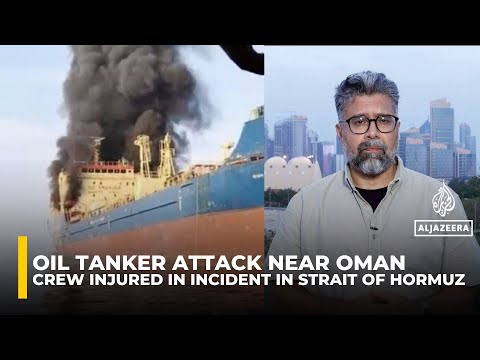
The Palau-flagged tanker Skylight was struck 5 nautical miles off Oman, injuring four crew. The crude carrier MKD Vyom took a projectile hit that caused an engine room fire and killed one crew member. A third vessel, the Sea La Donna, also reported an incident.
February 2026
US and Israel launch Operation Epic Fury against Iran
Military
Coordinated airstrikes hit Iranian military facilities, nuclear sites, and leadership targets across Tehran, Isfahan, Qom, and other cities. Supreme Leader Ali Khamenei was killed.
Iran retaliates with missiles and drones across the region
Military
Iran launched Operation True Promise IV, firing missiles and drones at US military bases in Kuwait, Bahrain, Qatar, Iraq, Saudi Arabia, and the UAE, as well as at targets in Israel. The IRGC warned all vessels against transiting the Strait of Hormuz.
Scenarios
1
US Navy begins convoy escorts; strait partially reopens under military protection
Likely
Discussed by: USNI News, Bloomberg, and maritime analysts drawing parallels to Operation Earnest Will (1987). The Trump administration has already announced the legal framework via the DFC insurance order.
The US Navy organizes convoy escorts through the Strait of Hormuz, similar to Reagan-era reflagging operations during the 1980s tanker war. With government-backed insurance replacing commercial coverage and warships accompanying tankers, some shipping companies resume transits. Oil prices stabilize but remain elevated due to reduced throughput and the risk of Iranian mines or fast-boat attacks on convoys. This scenario depends on the US Navy having sufficient minesweeping capability to clear the strait and the political willingness to risk a direct naval confrontation with the IRGC.
2
Strait remains closed for weeks; oil prices spike above $100 as strategic reserves deploy
Possible
Discussed by: Energy analysts at Goldman Sachs and JP Morgan, CNBC, and the International Energy Agency. Analysts note that global strategic petroleum reserves, while substantial, cannot replace 20 million barrels per day of Gulf throughput indefinitely.
IRGC mining of the strait and continued drone-boat attacks prevent any reopening despite US military presence. Countries dependent on Gulf oil, particularly China, India, Japan, and South Korea, draw down strategic reserves while scrambling for alternative supply. Brent crude climbs past $100 per barrel. Global recession fears intensify as energy costs cascade through supply chains. This scenario is most likely if Iran successfully deploys sea mines across the shipping lanes, which US minesweeping operations would take weeks to clear.
3
Ceasefire or diplomatic deal halts attacks; shipping resumes within days
Uncertain
Discussed by: European foreign ministers, UN Security Council discussions, and Gulf Cooperation Council mediators. China, as the largest buyer of Gulf oil, has a direct interest in brokering a halt.
International pressure, particularly from oil-importing nations facing economic damage, produces a ceasefire or narrow agreement covering maritime traffic. Iran, having demonstrated its ability to close the strait, extracts concessions in exchange for reopening it. Shipping resumes gradually as insurers reinstate coverage. This scenario becomes more plausible if Iran's conventional military capacity is degraded enough that continued attacks become unsustainable, or if regime survival calculations shift under new leadership following Khamenei's death.
4
Attacks spread to Gulf state ports and energy infrastructure, widening the war
Possible
Discussed by: Flashpoint intelligence assessments, CSIS analysis, and Pentagon briefings. The Sonangol Namibe attack deep inside the Gulf already signals geographic expansion.
Iran escalates beyond targeting ships in transit, striking port facilities, oil terminals, and desalination plants in Kuwait, Saudi Arabia, and the UAE. The conflict widens from a maritime chokepoint dispute into a broader regional infrastructure war. Gulf states, initially bystanders, are drawn into direct confrontation. Energy markets enter crisis as not just transit but production capacity comes under threat. The northward creep of attacks, from the Strait of Hormuz to waters off Kuwait, suggests this escalation pathway is already underway.
5
Multinational coalition launches convoy escorts and minesweeping with US leadership
Likely
Discussed by: Joint statement from seven allies (UK, France, Germany, Italy, Netherlands, Japan, Canada) on March 19; maritime analysts comparing to Operation Earnest Will.
Building on US DFC insurance and Navy escorts, allies contribute naval assets for joint convoys and mine-clearing, partially restoring traffic. IRGC targets coalition ships, risking wider naval battle, but overwhelms asymmetric threats. Oil prices ease if throughput resumes 50%+ of normal.
6
Multinational coalition forms for Hormuz patrols; traffic resumes under allied protection
Likely
Discussed by: Joint statement from UK, France, Germany, Italy, Netherlands, Japan, Canada; USNI and maritime analysts.
Seven allies declare readiness to support reopening the strait, potentially expanding US Navy escorts into a coalition similar to Operation Prosperity Guardian but focused on Hormuz. With DFC insurance and multinational warships, tankers resume limited transits. Success hinges on minesweeping capacity and deterring IRGC attacks amid recent US sinking of 60+ vessels.
7
MOU signed; Strait of Hormuz formally reopens by late July 2026
Possible
Resolves by Jul 31, 2026
Discussed by: CNN, Euronews, and CNBC covering the May 28 tentative agreement; Treasury Secretary Scott Bessent and unnamed negotiators on both sides
Trump and Iran's supreme leader both sign the memorandum of understanding, triggering a 30-day negotiation window on a full agreement. The Strait formally reopens, war-risk insurance markets reinstate coverage, and stranded tankers begin transiting freely. Oil prices fall toward $80/bbl. The 45+ running total of UKMTO incidents stops accumulating.
Historical Context
3 moments from history that rhyme with this story — and how they unfolded.
1 of 3
1981-1988
Iran-Iraq Tanker War and Operation Earnest Will (1981-1988)
During the Iran-Iraq War, both sides attacked commercial shipping in the Persian Gulf to choke off each other's oil exports. Over seven years, 411 ships were attacked, 239 of them oil tankers, killing more than 400 civilian sailors. Iraq used fighter jets armed with Exocet missiles; Iran deployed small boats and naval mines.
Then
In 1987, the Reagan administration reflagged 11 Kuwaiti tankers as US vessels and deployed over 30 warships to escort convoys under Operation Earnest Will. On the first escort mission, the tanker MV Bridgeton struck an Iranian mine.
Now
The operation succeeded in keeping oil flowing despite Iranian attacks, but at the cost of the USS Samuel B. Roberts striking a mine and the US Navy accidentally shooting down Iran Air Flight 655, killing 290 civilians. The precedent of US Navy convoy escorts is now directly informing the Trump administration's response.
Why this matters now
Trump's March 3 announcement of Navy escorts and government-backed insurance directly mirrors Reagan's 1987 playbook. The 1980s tanker war also demonstrated that even a major naval presence cannot fully prevent mine attacks and small-boat harassment in the Gulf's confined waters.
2 of 3
May-June 2019
Gulf of Oman tanker attacks (2019)
Six commercial vessels were damaged in two separate incidents near the Strait of Hormuz in May and June 2019. The US attributed the attacks to Iran, pointing to video footage appearing to show IRGC personnel removing an unexploded limpet mine from the hull of the Japanese-owned tanker Kokuka Courageous. Iran denied responsibility.
Then
Oil prices spiked temporarily and war-risk insurance premiums rose, but shipping continued through the strait. The US formed the International Maritime Security Construct, a multinational naval patrol coalition.
Now
The attacks demonstrated Iran's ability to threaten Gulf shipping through deniable asymmetric tactics without triggering a major military response. They established a template for exactly the kind of escalation now playing out at a far larger scale.
Why this matters now
The 2019 attacks were probing operations: small-scale, deniable, and designed to demonstrate capability without crossing a threshold for military response. The current wave of attacks has abandoned deniability entirely, with the IRGC openly claiming control of the strait. The shift illustrates how a full-scale military confrontation has removed Iran's incentive for restraint.
3 of 3
November 2023 - 2025
Houthi Red Sea shipping attacks (2023-2025)
Yemen's Houthi forces, an Iranian-backed group, launched over 100 attacks on commercial shipping in the Red Sea and Gulf of Aden using missiles, drones, and explosive boats. The attacks forced major shipping lines to reroute vessels around the Cape of Good Hope, adding 10-14 days and significant costs to Asia-Europe trade routes.
Then
A US-led naval coalition, Operation Prosperity Guardian, failed to stop the attacks. Container shipping rates between Asia and Europe tripled at their peak. War-risk insurance premiums for Red Sea transit climbed to historic levels.
Now
The Houthi campaign proved that a militarily modest force could disrupt global shipping lanes for an extended period despite the presence of advanced naval forces. Insurance markets, not military escorts, became the binding constraint on commercial shipping.
Why this matters now
The Red Sea precedent showed how insurance withdrawal, more than physical danger, can shut down a shipping lane. The same dynamic is now playing out in the Persian Gulf at far greater economic consequence. The Houthi attacks also demonstrated that drone boats and missiles can overwhelm naval defenses when launched from multiple vectors, a lesson the IRGC appears to be applying.