The Justice Department deployed about 1,000 monitors to all 50 states on Election Day. Officials in New Mexico and Michigan reported monitors overstepped; Colorado and Minnesota limited access.
The Justice Department deployed about 1,000 election monitors to more than 120 jurisdictions in all 50 states on Nov. 3, the largest monitoring effort in its history. The list included New York City, Los Angeles, Chicago, Detroit and several New Jersey counties, and it was the first time the department sent observers to every state. A Washington Post analysis found nearly two-thirds of the selected jurisdictions have consistently voted Democratic.
Election Day brought complaints about monitor conduct in New Mexico and Michigan, where officials said federal monitors questioned voters and asked election workers for training materials. The DOJ called the questions standard. In California, the Supreme Court refused to block counting 20,000 contested mail ballots, and the 9th U.S. Circuit Court of Appeals let the administration threaten election workers with criminal charges; Colorado kept monitors 100 feet from voting centers, and Hennepin County, Minnesota, denied polling-place access.
Why it matters
Federal monitors watched voting in every state for the first time, and complaints about their conduct are now part of the post-election fight.
23 events
Latest: November 3rd, 2026 · 1 week ago
Showing 8 of 23
JK to step
Tap a bar to jump to that date
Jump to
November 2026
DOJ deploys 1,000 monitors in all 50 states
LatestUpcoming Event
The Justice Department sent about 1,000 monitors to more than 120 jurisdictions, including New York City, New Jersey, Los Angeles, Chicago and Detroit. It was the first time the department placed observers in every state.
Colorado keeps federal monitors outside voting centers
State-Federal Clash
The Justice Department planned 10 monitors in five teams of two in Adams County. After Colorado Secretary of State Jena Griswold imposed conditions, the DOJ agreed they would be unarmed, unbadged and in plain clothes, at least 100 feet from voting centers.
Federal monitors sent to Los Angeles amid ballot fight
Legal
The Justice Department sent a last-minute surge of monitors to Los Angeles as the 9th Circuit cleared the administration to threaten California election workers with criminal charges over contested ballots.
Hennepin County denies DOJ polling-place access
State-Federal Clash
Hennepin County, Minnesota, denied Justice Department requests for access to polling places, according to Reuters. DOJ monitors cannot investigate on the spot or stop anyone from voting.
Analysis finds monitors concentrated in Democratic areas
Analysis
A Washington Post analysis found nearly two-thirds of the selected jurisdictions have consistently voted Democratic. Reuters found Kamala Harris won about two-thirds of them in 2024.
New Mexico officials say monitors questioned voters
State-Federal Clash
New Mexico's secretary of state told PBS NewsHour that DOJ monitors in Bernalillo County asked unusual questions and questioned voters, which she said state law does not allow. The DOJ said the issue was resolved.
Michigan officials report monitors overstepped
State-Federal Clash
Michigan's attorney general's office told the Detroit Free Press that DOJ monitors in Dearborn and Flint asked election workers for copies of training materials and details of their training. The DOJ said the questions were standard.
DOJ removes sworn officers from monitor pool
Government Action
The Justice Department removed several sworn law enforcement officers from its volunteer election monitor pool after a review with federal agencies, according to a court filing.
Adams County reports no monitor problems
State Response
Adams County Clerk Josh Zygielbaum said his office had not received reports of problems as federal monitors observed from at least 100 feet away.
Supreme Court rejects bid to block California ballot counting
Legal
The Supreme Court refused to temporarily block California from counting mail-in ballots from more than 20,000 voters that federal officials alleged were likely noncitizens.
October 2026
DOJ says monitors will cover all 50 states
Government Action
The DOJ says monitors will be in every state. Notified counties include four in Pennsylvania, seven cities in Michigan and seven counties in Texas. The DOJ says the full list will come out on Election Day.
DOJ rejects Colorado conditions on monitors
State-Federal Clash
The DOJ declined Colorado's terms for access to voting centers. Colorado said federal monitors would not be allowed within 100 feet of voting centers.
Jefferson County, Kentucky asks DOJ for legal authority
State Response
The Jefferson County clerk's office sent the DOJ a letter saying it has not received a memo on the monitors' legal authority or planned activities. Clerks there say state law bars federal monitors from polling places.
Pennsylvania counties named for DOJ monitors
Notification
An Oct. 22 letter to Secretary of State Al Schmidt says DOJ will monitor Philadelphia, Allegheny, Luzerne and Lehigh counties. The letter does not say why these counties were chosen.
Colorado asks DOJ what monitors will observe
State Response
Colorado's deputy secretary of state wrote to the DOJ asking what parts of the voting process monitors want to observe. Monitors would need state permission to access secure areas such as mail-ballot counting.
Notification scope becomes public
Disclosure
NPR reports the county notifications and that Colorado officials are considering how to respond to the DOJ's request.
Utah's Salt Lake County receives monitor notice
Notification
Lt. Gov. Deidre Henderson says the Justice Department letter arrived October 21 and that federal monitors must follow Utah's poll-watcher laws.
Kentucky receives DOJ monitor notice
Notification
The Kentucky Secretary of State's office was notified of DOJ plans to monitor Jefferson and Fayette counties. The letter says monitors will observe, take notes and not interfere.
DOJ begins notifying counties
Government Action
Notifications go out to counties in Colorado, Florida, Minnesota, Texas and Washington, with the list still growing.
DOJ announces roughly 1,000 monitors
Announcement
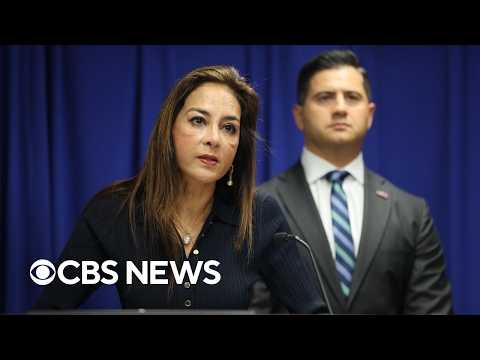
Civil Rights Division chief Harmeet Dhillon says the department will send about 1,000 observers on Election Day, the largest such effort in history.
Colorado requires state permission for federal monitors
Rule Change
New state election rules take effect requiring federal election observers, including Justice Department monitors, to get a letter of authority from the secretary of state. The prior rule exempted DOJ observers.
DOJ adds Douglas County to Colorado monitor list
Notification
Axios Denver reports the Justice Department also notified Douglas County, which has a competitive congressional race. Colorado has not approved the deployment.
August 2026
Minnesota shadows DOJ monitors in primary
State-Federal Clash
About 40 state workers track DOJ lawyers through two counties; monitors are denied close access to polling locations.
Scenarios
1
States admit federal monitors with minimal friction
Deadline passed (Nov 4, 2026)
Discussed by: DOJ officials and most state election offices
Election officials in most notified counties accept the monitors as the routine presence that prior administrations ran. Monitors observe polling and counting, document access issues, and file reports without reported clashes. The deployment concludes largely without incident, as it did in the 2022 midterm.
2
Texas-style standoff blocks monitors in some states
Deadline passed (Nov 4, 2026)
Discussed by: Reuters; Texas and Minnesota officials
Following the 2024 precedent in Texas, one or more states restrict federal monitors to areas outside polling places or deny them close access. Litigation or state directives limit what DOJ observers can see, and the dispute becomes a legal fight after the vote.
3
Monitor reports fuel post-election investigations
Possible
Resolves by Dec 15, 2026
Discussed by: DOJ Civil Rights Division; voter rights groups
Monitors document alleged noncitizen voting and other violations, consistent with the administration's stated priority. The DOJ opens investigations after the election using monitor reports as leads. Rights groups warn the reports could feed challenges to results in close races.
Historical Context
3 moments from history that rhyme with this story — and how they unfolded.
1 of 3
November 2024
Texas blocks DOJ monitors (2024)
Texas Attorney General Ken Paxton went to court to keep Biden-era DOJ monitors out of polling and counting locations in Texas on Election Day.
Then
A court restricted the federal monitors' access, and Texas ran that election without DOJ observers inside polling places.
Now
Established the playbook for states resisting federal monitoring and a legal test of how much access monitors actually get.
Why this matters now
Texas counties appear again on this year's notification list, and state officials hold the 2024 precedent in hand.
2 of 3
November 2022
2022 midterm monitoring baseline
Under President Biden, the DOJ monitored 64 jurisdictions in 24 states on midterm Election Day — the routine scale of the program.
Then
Monitoring proceeded without public clashes; jurisdictions largely cooperated.
Now
Established the baseline that this year's roughly 1,000-monitor plan triples.
Why this matters now
The comparison shows how sharply the current deployment breaks from recent practice.
3 of 3
1965–present
Voting Rights Act federal observers (1965–present)
The Voting Rights Act authorized federal examiners and observers in covered jurisdictions to ensure eligible voters were not blocked from registering or casting ballots.
Then
Federal observers documented literacy tests, poll taxes and intimidation in the South for decades.
Now
The observer program shrank after the Supreme Court struck down the coverage formula in 2013.
Why this matters now
Federal poll monitoring began as a civil rights protection; critics say the current expansion reverses that focus toward alleged fraud and noncitizen voting.