
Pull to refresh
Logo
Kentucky election officials refused to let federal monitors enter polling sites

Kentucky election officials refused to let federal monitors enter polling sites

Rule Changes Louisville, KY local

Officials in Jefferson and Fayette counties required federal monitors to stay 100 feet from polling entrances on Nov. 3; the Justice Department sent about 1,000 monitors nationwide and said no FBI or ICE agents would serve.

Overview

Updated Nov 1

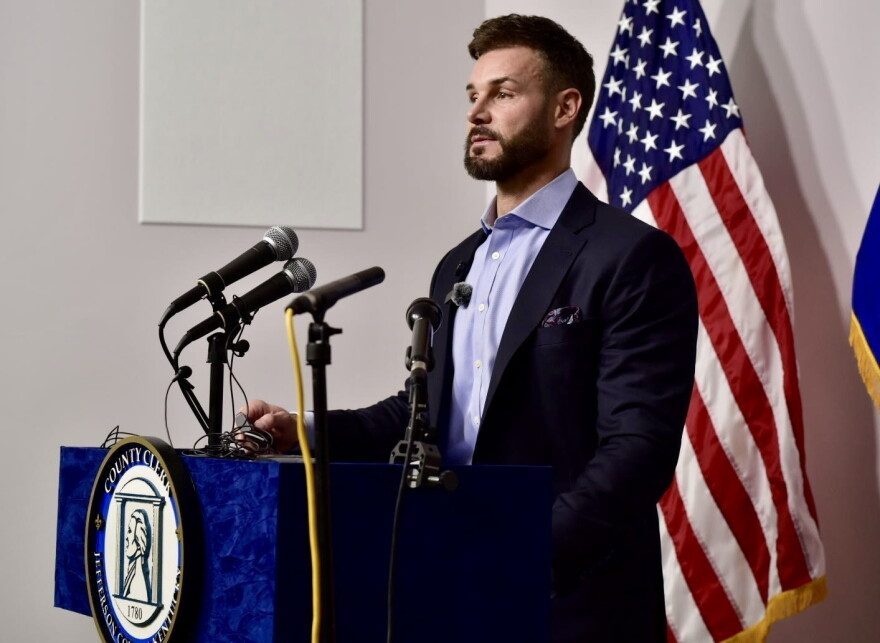
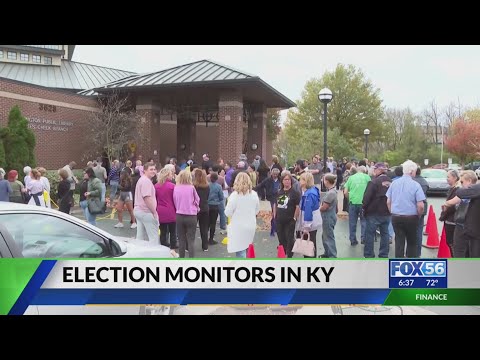
Federal election monitors worked Kentucky's Nov. 3 election from outside a 100-foot boundary at polling places in Louisville and Lexington, after local and state officials refused them entry. Jefferson County Clerk David Yates said about a dozen Justice Department employees were expected in Louisville as civil monitors, not law enforcement. His office told the DOJ that Kentucky law did not authorize routine federal monitoring inside polls.

The Justice Department sent about 1,000 monitors to all 50 states, the largest such effort in its history, and said it needed no state approval. Kentucky Secretary of State Michael Adams said the department agreed to stay outside and not speak with voters inside polling places. Election Day passed without a reported confrontation over the boundary.

Why it matters

The standoff showed how Kentucky kept federal election monitors outside polling places, a marker for future fights over federal oversight.

Last Monday's email for Louisville, KY

Sent Nov 9. It carried:

Get next Monday's: one short email a week. Free. Unsubscribe in one click.

Questions about this story

Free account needed to ask — your question is kept and asked for you right after sign-up. Answers are public.

No questions yet — be the first to ask.

Key Indicators

1,000
DOJ monitors deployed nationwide
The Justice Department sent about 1,000 observers to all 50 states for the 2026 election, the largest such effort in its history.
2
Kentucky counties that refused monitor entry
Jefferson (Louisville) and Fayette (Lexington) required federal monitors to stay outside polling places on Nov. 3.
100 ft
Kentucky polling-site boundary
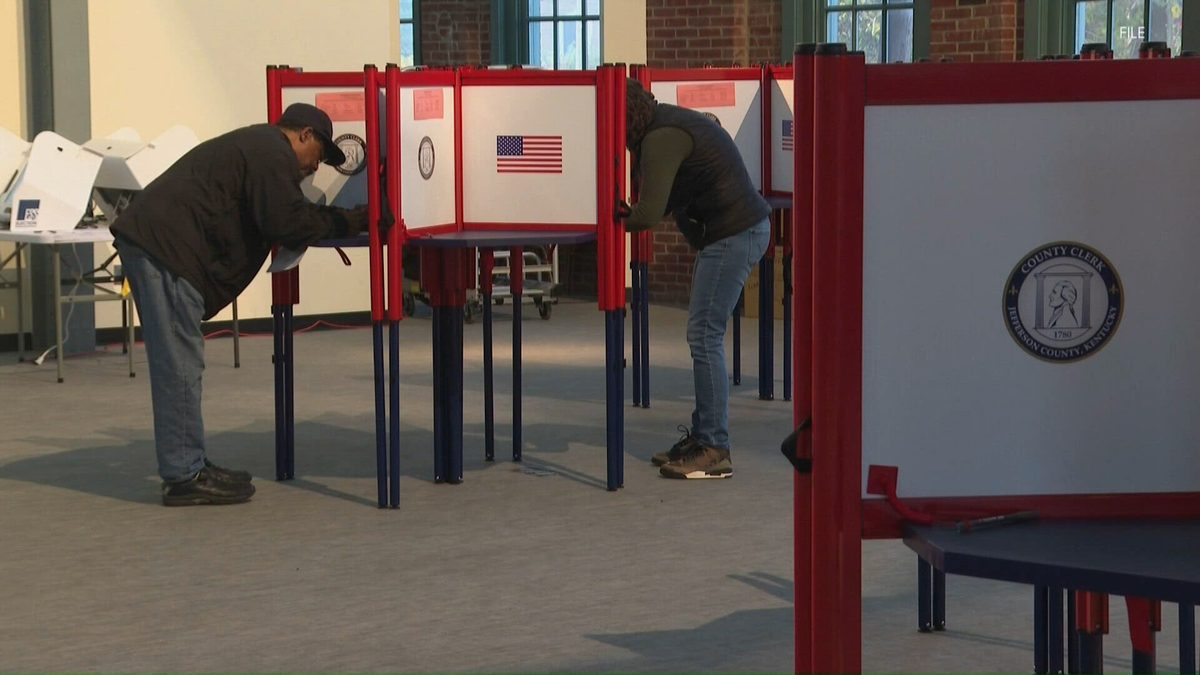
State law keeps anyone not casting a ballot at least 100 feet from a polling entrance.
~12
Federal monitors expected in Louisville
Jefferson County Clerk David Yates said about a dozen DOJ employees were expected in Louisville and had to stay outside the 100-foot boundary.

Voices

Curated perspectives — historical figures and your fellow readers.

Sign up to generate historical perspectives on this story.

People Involved

Organizations Involved

Timeline

October 2026 November 2026

7 events Latest: November 3rd, 2026 · 1 week ago
Tap a bar to jump to that date
  1. Federal monitors kept outside 100-foot line at Kentucky polls

    Latest Event

    About a dozen monitors were expected in Louisville and were required to remain outside a 100-foot boundary around polling entrances. No confrontation over the boundary was reported.

  2. Early voting starts in Kentucky

    Event

    Early voting opens across the state a week before Election Day, with the monitor standoff unresolved.

  3. Beshear tells voters to report monitor misconduct

    Statement

    Gov. Andy Beshear said both the Jefferson and Fayette county clerks denied consent for monitors inside polls. He told voters they cannot be stopped or aggressively questioned and can call the state and national election hotlines.

  4. DOJ tells federal court no FBI or ICE agents will be monitors

    Filing

    In a sworn declaration filed in Washington, DOJ voting section acting chief Eric Neff said monitors will be unarmed, unidentifiable and trained not to speak with voters inside polls. A separate NAACP challenge says 1,000 monitors could jeopardize the election.

  5. Adams says monitors agreed to stand outside; DOJ says approval not needed

    Statement

    Secretary of State Michael Adams says the DOJ will respect state law and stay outside; the DOJ says it needs no state approval and is deploying 1,000 monitors nationwide.

  6. Kentucky officials refuse entry to federal monitors

    Statement

    Jefferson County Clerk David Yates announces monitors will not enter polling sites, citing a 100-foot boundary, and may be met by police if they cross it.

  7. DOJ gives Kentucky notice of monitoring plans

    Notice

    A Justice Department attorney emails election officials in Jefferson County, Fayette County and the state board, saying monitors will observe and take notes at polling places.

Scenarios

1

Monitors watch from the sidewalk, no clash

Deadline passed (Nov 4, 2026)

Discussed by: Kentucky Secretary of State Michael Adams; Spectrum News 1 coverage

DOJ monitors observe outside the 100-foot line at Jefferson and Fayette polling sites, respecting state law. No police call, no lawsuit, no arrests. Adams expects this outcome, saying the DOJ has agreed to stand outside.

2

A federal monitor crosses the line and police are called

Deadline passed (Nov 4, 2026)

Discussed by: Jefferson County Clerk David Yates; LPM reporting

A monitor presses past the 100-foot boundary trying to enter a Louisville or Lexington polling place. Local officials call police or have the person removed, escalating to a confrontation or potential arrest and a legal fight over federal authority.

3

Kentucky or the DOJ files suit over polling-place access

Possible Resolves by Jan 15, 2027

Discussed by: Election-law analysts cited in coverage; legal observers

One side challenges the other in court: the DOJ asserting federal authority to monitor state elections, or Kentucky seeking an injunction to keep monitors out. The case tests whether federal law overrides the state's 100-foot rule, a question that could outlast Election Day.

Historical Context

2 moments from history that rhyme with this story — and how they unfolded.

August 1965

Voting Rights Act federal observers (1965)

The Voting Rights Act let the federal government send examiners and observers to polling places in jurisdictions with histories of discrimination against nonwhite voters. Federal officials could register voters and monitor elections where state officials had blocked access.

Then

Black voter registration surged in the South within a few years of the law.

Now

Federal monitoring became a permanent, routine federal power over state-run elections - the program the Justice Department is invoking now.

Why this matters now

Explains why a federal agency claims a role inside state polling places at all, and why a state resisting that role marks a break from the program's civil-rights origin.

November-December 2000

2000 Florida presidential recount

The presidential race hinged on Florida recounts, with state officials and courts battling over vote counts as federal courts watched. The U.S. Supreme Court ended the recount in Bush v. Gore.

Then

George W. Bush won the presidency by 537 Florida votes.

Now

The episode confirmed that elections are state-run but subject to federal review - a dual system that still defines disputes like this one.

Why this matters now

Shows the recurring fault line this standoff sits on: states administer elections, but the federal government polices how they do it.

Sources

(10)