
Pull to refresh
Logo
Ninth Circuit restores Justice Department's power to seek removal of suspected noncitizen ballots

Ninth Circuit restores Justice Department's power to seek removal of suspected noncitizen ballots

Rule Changes

A 6-5 en banc panel let federal officials ask states to set aside ballots and warn of prosecution. California's case is now dismissed, and a Seattle judge has blocked demands in Washington until November 19.

Overview

Updated 2 days ago

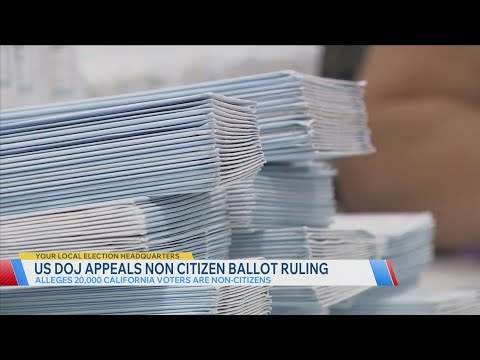
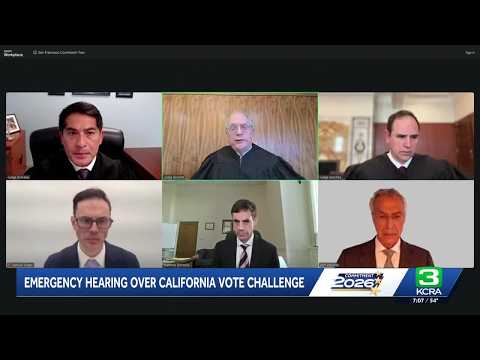
The Justice Department sent California and Los Angeles County a list of about 20,000 registered voters on October 13 and asked officials to set aside their ballots. Both refused. On November 4, an 11-judge panel of the Ninth Circuit ruled 6-5 that the department may keep asking, and may keep warning that counting a challenged ballot is a federal crime.

The fight has since split by state. The department dropped its California lawsuit on November 6, saying the state had already mixed the challenged ballots with lawful ones. In Washington, a federal judge barred the department on November 5 from demanding that officials set ballots aside; that order runs to November 19, with a hearing on a longer one set for November 18.

Why it matters

Federal prosecutors can still tell local election officials that counting a challenged ballot is a crime, and courts are still deciding which requests count as coercion.

Questions about this story

Free account needed to ask — your question is kept and asked for you right after sign-up. Answers are public.

No questions yet — be the first to ask.

Key Indicators

6–5
Vote on the en banc panel
Eleven judges heard the stay request; five dissented, led by Chief Judge Mary Murguia.
~20,400
Voters flagged in the disputed lists
About 20,000 in California and at least 405 in Washington, based on the letters and prosecutors' filings.
Nov 19
When the Seattle order lapses
Judge Whitehead's restraining order against DOJ and DHS expires November 19, 2026, unless extended at the November 18 hearing.
2
States that received the letters
California and Washington; Los Angeles County was named separately in the California letter.

Voices

Curated perspectives — historical figures and your fellow readers.

Sign up to generate historical perspectives on this story.

People Involved

Organizations Involved

Timeline

October 2026 November 2026

8 events Latest: 5 days ago
Tap a bar to jump to that date
  1. Justice Department demands California review voter list

    Executive action

    Letters to California and Los Angeles County ask officials to review about 20,000 voters identified as likely noncitizens within 48 hours and to set aside their ballots.

Scenarios

1

Stay Holds Through November 16 and the Requests Stand

Likely Resolves by Nov 16, 2026

Discussed by: The Ninth Circuit majority and the concurring opinions of Judges Miller and Bennett, which treat the dispute as a short-window stay rather than a merits ruling

The en banc order stays in place, but its practical reach is now uneven. California's case is dismissed, and the Seattle order keeps federal officials from demanding that Washington set ballots aside until November 19. Prosecutors can still send letters and warnings elsewhere, and nothing decides whether the voter lists are accurate.

2

District Court Converts the Restraining Order Into a Longer Injunction

Possible Resolves by End of 2026

Discussed by: The plaintiffs, who sought the original order, and the dissent, which argued the district court properly tried to stop what it called spurious threats

With the temporary order running out November 19, the plaintiffs in the Washington case ask Judge Whitehead for a preliminary injunction that lasts through the case. A hearing is set for November 18. Such a ruling would put the district court back in tension with the Ninth Circuit's 6-5 stay.

3

Supreme Court Takes the Dispute

Possible Resolves by Q2 2027

Discussed by: Both sides, after the justices declined emergency relief in the related California case on November 2

A second emergency application, this time aimed at the en banc order, or a petition for review of the underlying legal question. The Court's earlier refusal in United States v. California turned on a different question: whether a state must adopt a federal ballot process, not whether the department may ask for one.

4

Washington Counts the Challenged Ballots and Certifies

Likely Resolves by Nov 24, 2026

Discussed by: Washington Secretary of State Steve Hobbs and county auditors, who refused the October 26 request

The Seattle restraining order bars the department from demanding that specific ballots be segregated, and the counties face a November 24 certification deadline. If the order holds or is extended, the roughly 405 flagged voters' ballots stay in the count while any eligibility dispute moves to court later.

Historical Context

3 moments from history that rhyme with this story — and how they unfolded.

1997

Printz v. United States (1997)

The Supreme Court struck down provisions of the Brady Act that required local sheriffs to run background checks on handgun buyers. The Court held that Congress cannot commandeer state executive officials to administer a federal program.

Then

Local law enforcement was no longer obligated to conduct the federal checks.

Now

The anti-commandeering principle became a standard limit on federal power over states, cited across policy areas including elections.

Why this matters now

The Ninth Circuit's earlier ruling in United States v. California rests on this line: Washington may ask states to do something, but cannot compel them. The current fight is over whether threats of prosecution count as asking.

November-December 2000

Bush v. Gore (2000)

The Supreme Court halted the Florida recount five weeks after Election Day, ending the dispute by a 5-4 vote. The recount had been ordered by the state's highest court.

Then

George W. Bush won Florida's electoral votes and the presidency.

Now

The decision set a precedent for federal courts intervening in state election administration under tight deadlines, and it shaped how both parties litigate close elections.

Why this matters now

This dispute follows the same pattern: state procedures, federal court intervention, and a calendar that does not wait for the appeal to be fully briefed.

June 2013

Shelby County v. Holder (2013)

The Supreme Court struck down the coverage formula in the Voting Rights Act that required certain states and counties to get federal approval before changing election rules.

Then

Several states immediately changed voting procedures that had previously required preclearance.

Now

Federal oversight of state election administration shifted from routine review to case-by-case litigation, usually after a change has already taken effect.

Why this matters now

The current lawsuit alleges Voting Rights Act violations over the department's letters. With preclearance gone, disputes like this one are resolved in court, often mid-election.

Sources

(13)