
Pull to refresh
Logo
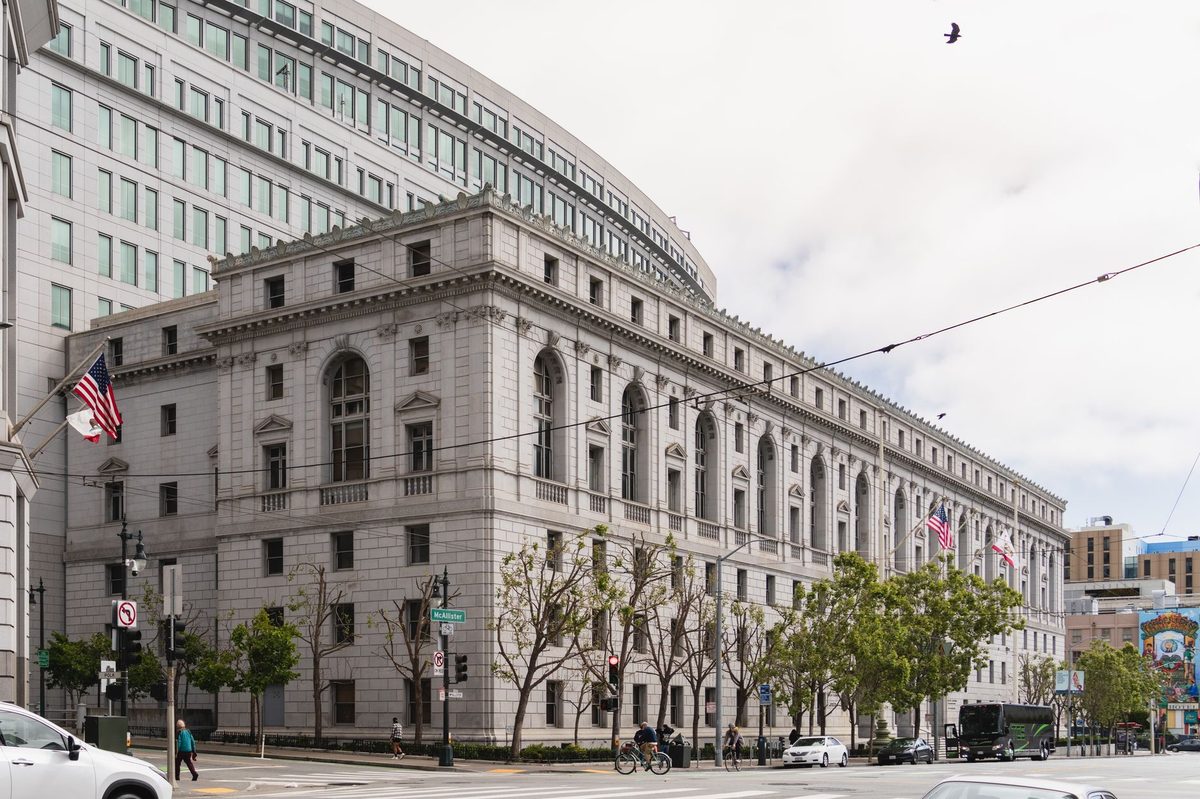
Ninth Circuit leaves block on DHS pre-election voter operations in place

Ninth Circuit leaves block on DHS pre-election voter operations in place

Rule Changes

A full-court vote fails, seven judges dissent, and the block holds through Election Day as the appeal continues

Overview

Updated 5 days ago

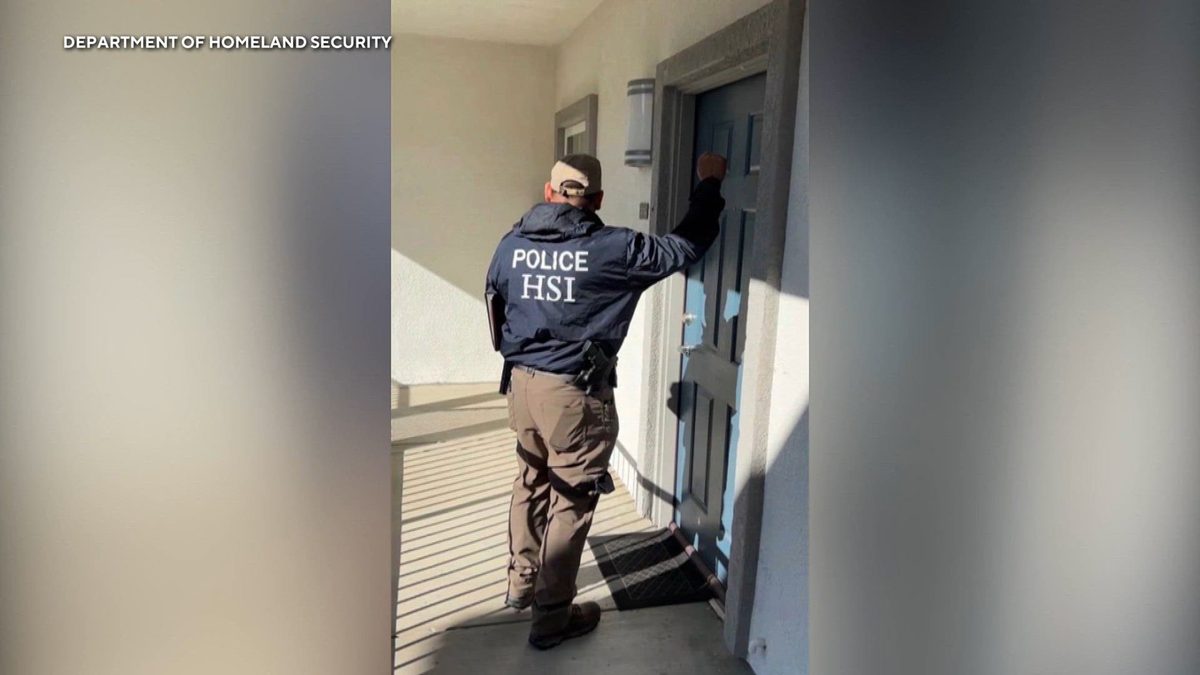
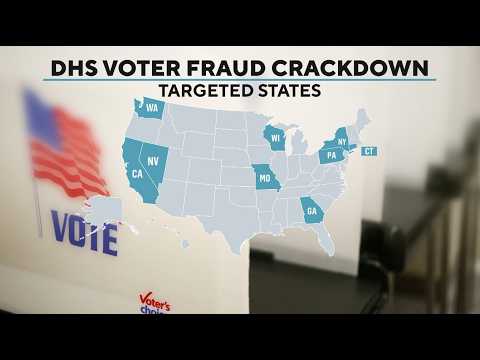
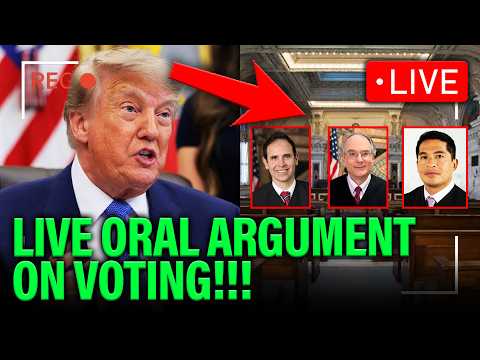
The Ninth Circuit kept its block on Homeland Security's pre-election voter questioning in place through Election Day, and the legal fight is continuing. A majority of the full court declined to rehear a three-judge panel's refusal to pause the injunction; seven judges dissented. The blocked program, which the government calls the Unlawful Voter Initiative, had sent agents to homes in nine states.

The broader federal voter-fraud push did not stop when the polls closed. Federal prosecutors in California sent criminal subpoenas to election officials in Sonoma and Santa Clara counties, seeking information about alleged noncitizen voters and records on how the counties handled earlier Justice Department requests. The DHS operation remains barred while the appeal proceeds.

Why it matters

A federal court can stop a voter-fraud operation before an election, but the legal fight continues after the ballots are counted.

Questions about this story

Free account needed to ask — your question is kept and asked for you right after sign-up. Answers are public.

No questions yet — be the first to ask.

Key Indicators

9
States covered by the injunction
California, Connecticut, Georgia, Missouri, Nevada, New York, Pennsylvania, Washington and Wisconsin.
7
Judges dissenting from the en banc denial
Six Trump appointees and one Bush appointee, with Judge Eric Tung writing.
3
Judges on the panel that refused the stay
The panel upheld the district court's injunction on October 30.
Nov 3
Election Day passed with block in place
Polls closed with the injunction still in effect; the appeal continues.

Voices

Curated perspectives — historical figures and your fellow readers.

Sign up to generate historical perspectives on this story.

People Involved

Organizations Involved

Timeline

September 2026 November 2026

8 events Latest: November 3rd, 2026 · 1 week ago
Tap a bar to jump to that date
  1. Election Day passes with block still in place

    Latest Election

    The Ninth Circuit's injunction remained in effect as voters went to the polls.

Scenarios

1

Supreme Court stays the injunction before polls close

Deadline passed (Nov 3, 2026)

Discussed by: Legal observers tracking the government's emergency appeals

The Justice Department could ask the Supreme Court for an emergency stay, arguing the lower courts have stripped it of authority to investigate voter fraud days before an election. The Court would need to act fast: the injunction expires on its own when polls close November 3.

2

Injunction lapses and DHS resumes operations after the election

Likely Resolves by End of 2026

Discussed by: Plaintiffs' attorneys and the district court record

The injunction is tied to the election calendar, not the merits. Once polls close, the stated rationale for the block disappears, and DHS could restart field operations unless the district court extends its order. The plaintiffs would likely return to court to seek a longer pause.

3

Ninth Circuit affirms the injunction on the merits

Possible Resolves by Q2 2027

Discussed by: Election law scholars and the plaintiffs' legal team

The government's appeal of the preliminary injunction continues on the merits. If the Ninth Circuit agrees that the operation likely violated the Voting Rights Act's ban on voter intimidation, the block could outlast the election and constrain similar programs in the future.

Historical Context

2 moments from history that rhyme with this story — and how they unfolded.

August 1965

Voting Rights Act (1965)

Congress passed the Voting Rights Act to dismantle barriers that kept Black Americans from voting. Section 11(b) barred anyone from intimidating, threatening or coercing voters, and it allowed private parties to sue. The provision has since been used against practices that fall short of outright violence but still discourage participation.

Then

Federal examiners and preclearance requirements transformed voter registration across the South within a few years.

Now

Section 11(b) remains the main federal tool for challenging pre-election intimidation, and it is the statute at the center of this case.

Why this matters now

The district court found the DHS operation likely violated Section 11(b), making this case a modern test of how far the intimidation ban reaches.

1982-1987

Democratic National Committee v. Republican National Committee (1982)

A federal court approved a consent decree restricting the Republican National Committee's 'ballot security' operations, which Democrats said targeted minority voters. The decree required court approval for certain poll-watching and mail-in voter programs. It was extended in 1987 and remained in force for decades.

Then

The RNC operated under court supervision for the 1980s and 1990s.

Now

The decree expired in 2018, but courts still cite its logic when weighing whether pre-election programs intimidate voters.

Why this matters now

It is the closest federal precedent for a court supervising pre-election enforcement tactics, which is what the Ninth Circuit has now done through Election Day.

Sources

(12)