
Pull to refresh
Logo
Federal judge bars immigration agents from racial profiling stops in Southern California

Federal judge bars immigration agents from racial profiling stops in Southern California

Rule Changes

The 84-page preliminary injunction covers Los Angeles and six nearby counties; the government is appealing to the Ninth Circuit.

Overview

Updated 3 days ago

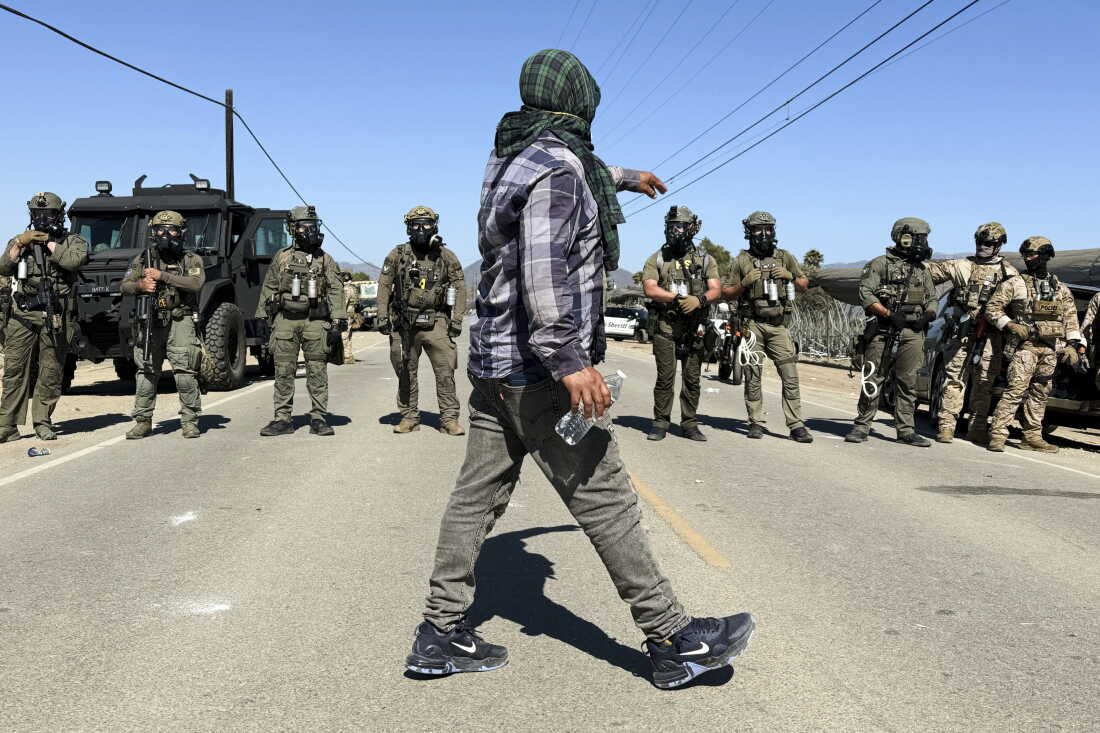
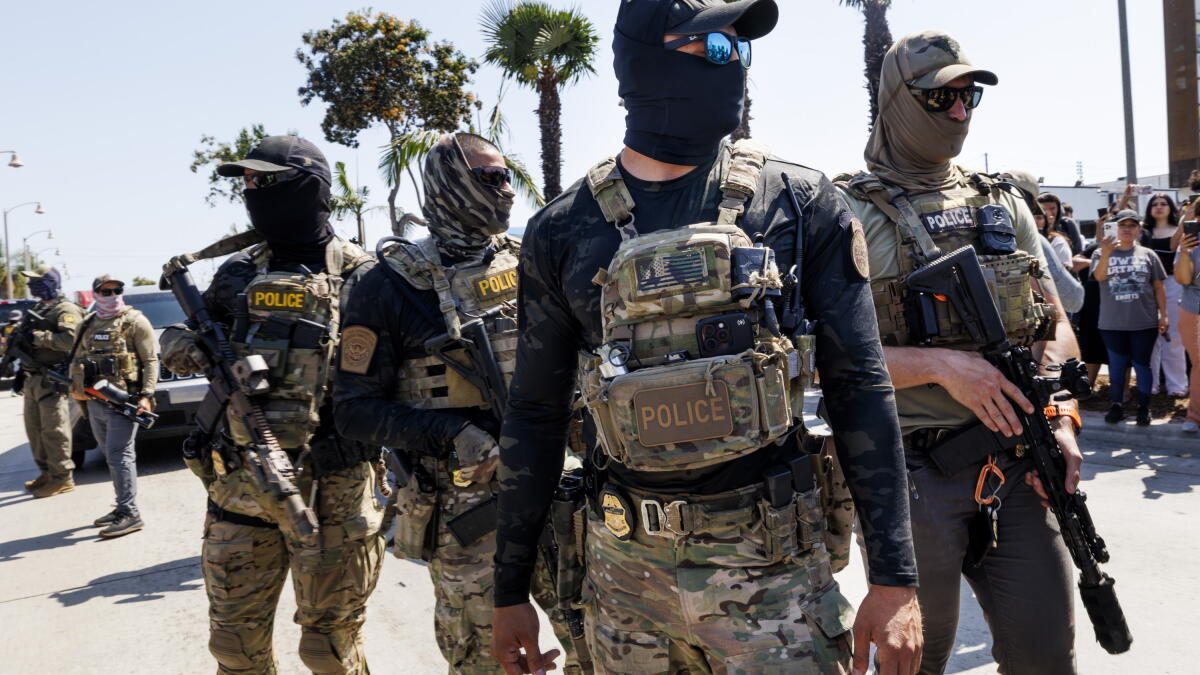
A federal judge in Los Angeles has barred ICE and Border Patrol agents from stopping people in Southern California because they appear Latino or Latino and working class. The preliminary injunction requires individualized reasonable suspicion before detaining someone.

The 84-page amended order covers Los Angeles, Orange, Riverside, San Bernardino, Ventura, Santa Barbara and San Luis Obispo counties. It exempts ports of entry, checkpoints and places that function like a border, and the government is appealing to the Ninth Circuit.

Why it matters

In seven Southern California counties, immigration agents now need specific evidence beyond appearance before stopping someone.

Questions about this story

Free account needed to ask — your question is kept and asked for you right after sign-up. Answers are public.

No questions yet — be the first to ask.

Key Indicators

7
Counties covered
Los Angeles, Orange, Riverside, San Bernardino, Ventura, Santa Barbara and San Luis Obispo; ports of entry, checkpoints and border-equivalent points are exempt.
2
Classes certified
People stopped because of Latino appearance, and people stopped because of working-class Latino appearance.
1
Preliminary injunction
The 84-page amended order applies while the case continues and is not a final ruling on the government's policy.

Voices

Curated perspectives — historical figures and your fellow readers.

Sign up to generate historical perspectives on this story.

People Involved

Organizations Involved

Timeline

2025 November 2026

7 events Latest: November 1st, 2026 · 1 week ago
Tap a bar to jump to that date
  1. Government appeals injunction to Ninth Circuit

    Appeal

    The Trump administration challenges the order in the U.S. Court of Appeals for the Ninth Circuit.

Scenarios

1

Ninth Circuit Upholds Profiling Injunction

Possible Resolves by Q2 2027

Discussed by: ACLU of Southern California; Los Angeles Times

The government's appeal fails. A Ninth Circuit panel denies a stay and agrees the injunction can remain while the case proceeds. Agents in Southern California must continue to show individualized reasonable suspicion before detentive stops.

2

Ninth Circuit Stays Profiling Injunction

Possible Resolves by Q2 2027

Discussed by: Los Angeles Times; Bloomberg Law

The appeals court grants the government's request to pause the injunction. ICE and Border Patrol can resume stops in Southern California without the new reasonable-suspicion limits while the appeal continues.

3

Supreme Court Sets National Rule on Immigration Stops

Unlikely Resolves by Q2 2028

Discussed by: Legal observers cited by the Los Angeles Times

The case reaches the Supreme Court, which uses it to decide how much suspicion agents need before stopping someone. A ruling would apply beyond Southern California and could replace the injunction with a national standard.

Historical Context

2 moments from history that rhyme with this story — and how they unfolded.

1975

United States v. Brignoni-Ponce (1975)

The Supreme Court reviewed a Border Patrol stop of a car whose occupants appeared to be of Mexican ancestry. The agents had no other reason to suspect the car carried undocumented immigrants. The Court ruled that apparent ancestry alone cannot justify a stop.

Then

Border Patrol had to point to specific facts before stopping vehicles.

Now

The decision established reasonable suspicion as the standard for immigration stops and is still cited in profiling cases.

Why this matters now

The new injunction applies the same principle to ICE and Border Patrol stops in Southern California.

2013

Floyd v. City of New York (2013)

Federal Judge Shira Scheindlin found the New York Police Department's stop-and-frisk practices violated the Fourth and Fourteenth Amendments. The court cited racial disparities in who was stopped.

Then

The city appealed, then dropped the appeal under a new mayor and accepted reforms.

Now

A federal monitor oversaw changes to NYPD stops, and the case became a model for using statistics to challenge racial profiling.

Why this matters now

Like the Los Angeles case, it relied on a record of stops and internal messages to bar profiling while litigation continued.

Sources

(8)