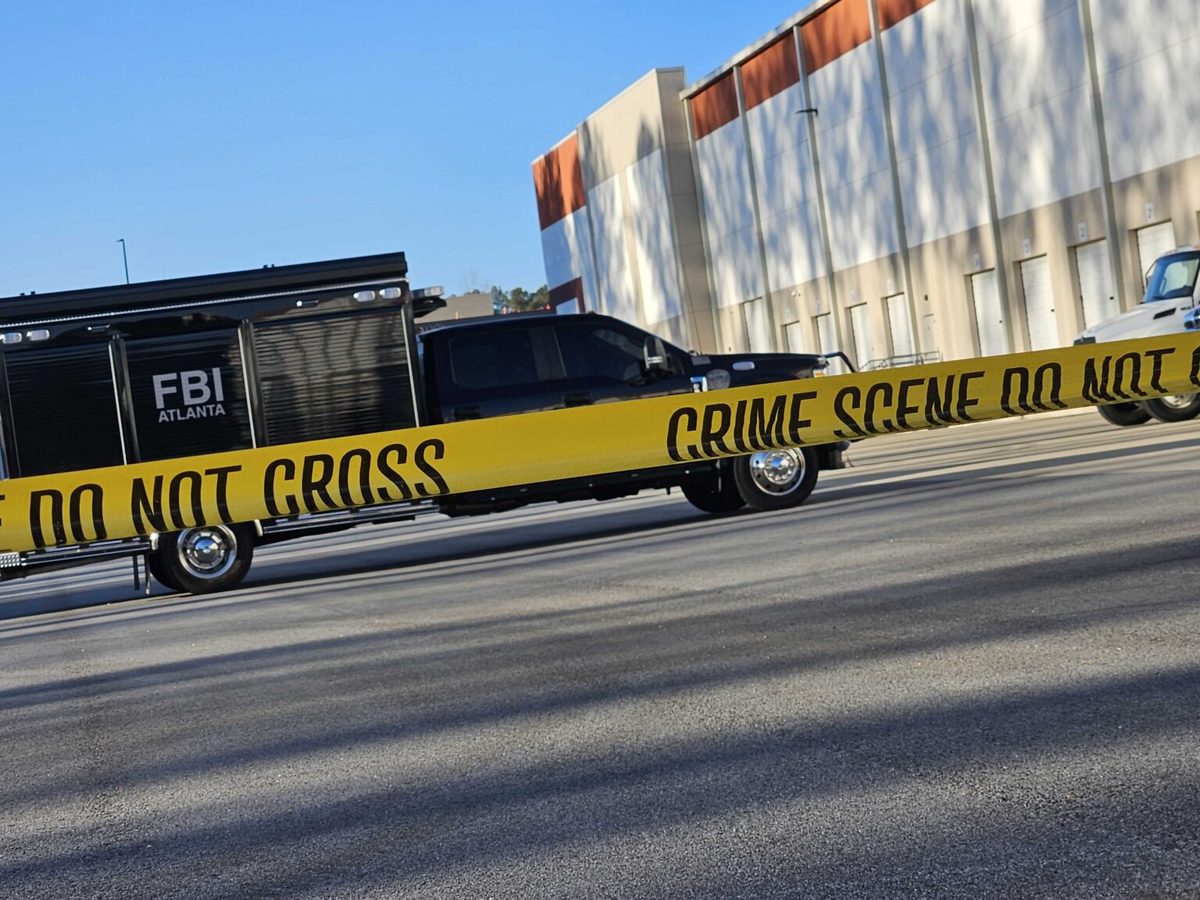
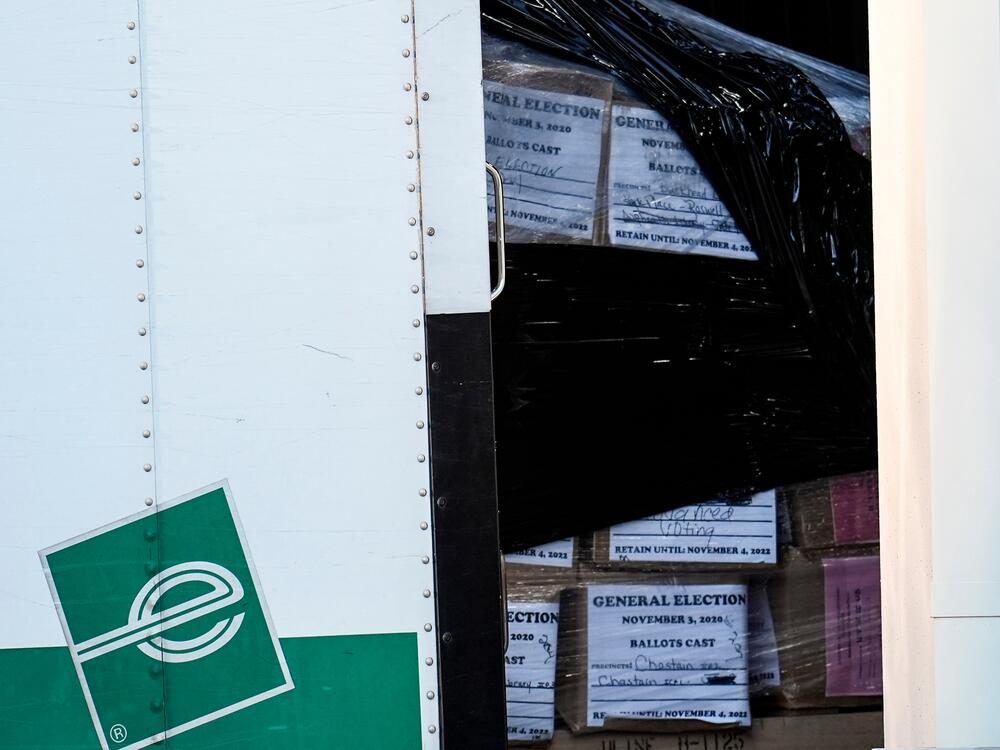
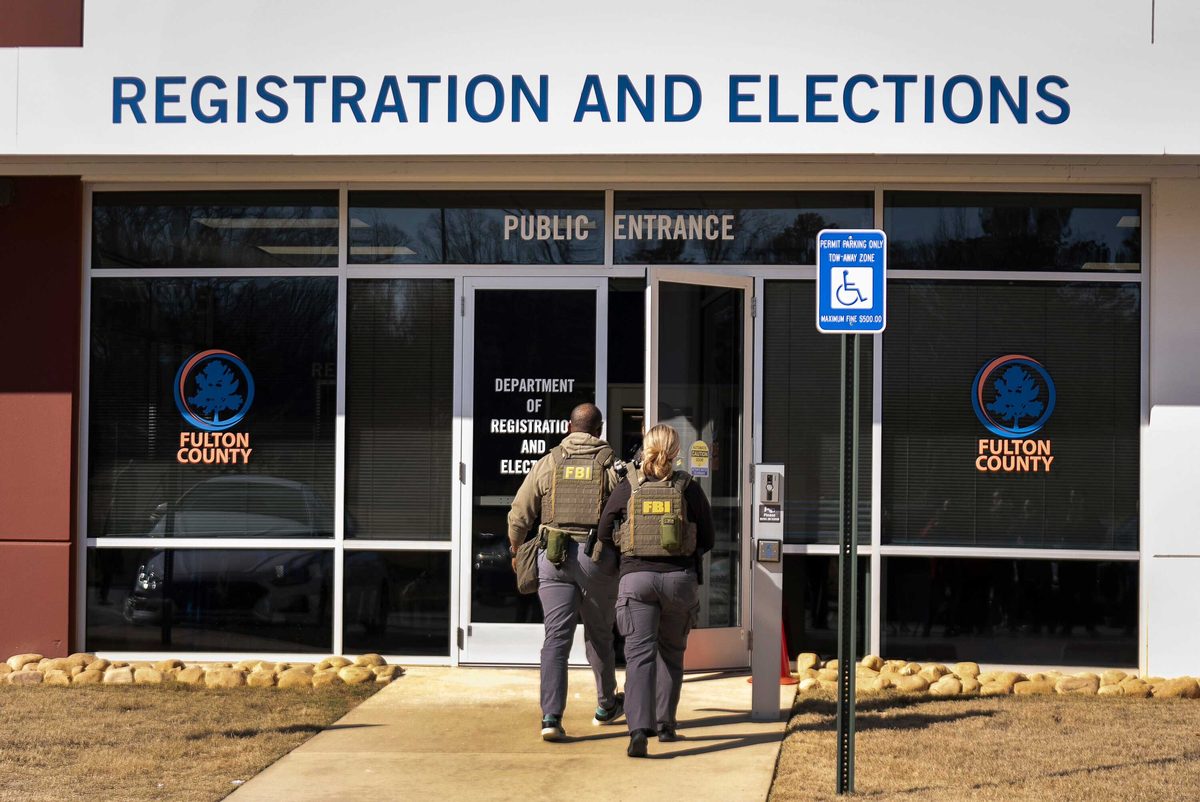
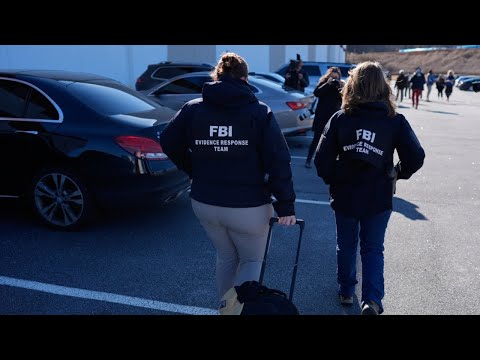
On January 28, 2026, FBI agents seized 700 boxes of 2020 election ballots from a Fulton County warehouse. Four days later, on February 1, the Georgia Senate passed a resolution urging Secretary of State Brad Raffensperger to hand over unredacted voter data to the DOJ — he refused, citing state privacy laws.
A federal magistrate judge authorized the seizure. It continues despite courts previously rejecting fraud claims. FBI Director Kash Patel defended the probable cause warrant and said President Trump personally thanked agents via speakerphone arranged by DNI Tulsi Gabbard.
Congressional Democrats, led by Sen. Mark Warner, are demanding answers after an intelligence watchdog disclosed a whistleblower complaint alleging wrongdoing by Gabbard, including delays in sharing classified information. Fulton County officials plan to sue the FBI and DOJ, calling the raid improper, while Democrats have praised Raffensperger's refusal to comply. Lawsuits over the investigation have been filed in 24 states; Georgia's 2026 midterm races are approaching.
Questions about this story
Free account needed to ask — your question is kept and asked for you right after sign-up. Answers are public.
No questions yet — be the first to ask.
Key Indicators
700
Boxes seized
Boxes of 2020 ballots and election records removed from Fulton County
24
States sued
States and DC facing DOJ lawsuits for refusing to provide voter data
Images from Openverse under Creative Commons licenses.
Videos from YouTube.
Voices
Curated perspectives — historical figures and your fellow readers.
Dorothy Parker
(1893-1967) ·Jazz Age · wit
Fictional AI pastiche — not real quote.
"Seven hundred boxes to prove what couldn't be proven in five years—one must admire such devotion to lost causes, though I've found it's generally easier to simply lose gracefully and take up drinking."
0% found this insightful
Ever wondered what historical figures would say about today's headlines?
Sign up to generate historical perspectives on this story.
25 events
Latest: February 3rd, 2026 · 7 months ago
Showing 8 of 25
JK to step
Tap a bar to jump to that date
Jump to
February 2026
Georgia Democrats Condemn FBI Raid as Abuse of Power
LatestResponse
Georgia House Democrats hold news conference blasting Fulton County FBI raid and praising Raffensperger's refusal to release voter data.
Whistleblower Complaint on Gabbard Disclosed to Congress
Oversight
Intelligence community watchdog shares classified whistleblower complaint alleging wrongdoing by DNI Tulsi Gabbard with congressional leaders after months of delay.
Fulton County Plans Lawsuit Against FBI Over Raid
Legal
Fulton County commissioners announce intent to sue FBI and DOJ, claiming search warrant improper and citing expired misdemeanor statutes.
Patel Reveals Trump Thanked FBI Agents Post-Raid
Investigation
FBI Director Kash Patel confirms probable cause for Fulton raid and discloses President Trump called agents directly to thank them, arranged by Tulsi Gabbard.
Georgia Senate Passes Resolution Urging Voter Data Handover
Political Pressure
Senate Resolution 563 passes 31-22 after debate, urging Raffensperger to provide unredacted voter list to DOJ despite his vow to defy it under state law.
January 2026
Gabbard's Expanded Role in Election Investigation Revealed
Investigation
White House officials confirm DNI Tulsi Gabbard has spent months investigating 2020 election results and is leading the administration's effort to re-examine the election. Senators Warner and Himes send letter demanding explanation for her involvement in domestic law enforcement.
Fulton Officials Condemn Seizure as Retaliation
Response
Chairman Robb Pitts holds a press conference calling the raid 'about intimidation and distraction, not facts.' FBI Director Patel defends the action, citing probable cause.
State judge denies Secretary of State Brad Raffensperger's request to loosen spending limits in his 2026 gubernatorial campaign, a setback as he faces federal pressure over voter data.
Congressional Leaders Demand Gabbard Explanation
Oversight
Sen. Mark Warner and Rep. Jim Himes send letter to DNI Tulsi Gabbard seeking testimony on why she attended FBI operation in Fulton County and what role intelligence community employees played in the domestic law enforcement action.
FBI Seizes 700 Boxes of 2020 Ballots from Fulton County
Enforcement
Approximately 25 FBI agents execute a search warrant at the Fulton County Election Hub, removing all 2020 ballots, tabulator tapes, and voter rolls. Director of National Intelligence Tulsi Gabbard is present.
DOJ Refiles Voter Data Lawsuit in Atlanta
Legal
Justice Department refiles lawsuit against Brad Raffensperger in Northern District of Georgia (Atlanta) after judge dismissed original case filed in Middle District (Macon) for lack of jurisdiction. Case assigned to Judge Eleanor L. Ross, an Obama appointee.
Federal Judge Dismisses DOJ Lawsuit Against Georgia
Legal
Judge C. Ashley Royal dismisses Justice Department lawsuit seeking Georgia voter data, ruling the Macon-based court lacked jurisdiction because the attorney general's demand and records were not located in the Middle District of Georgia. DOJ may refile in correct venue.
Raffensperger Rebuffs State Senate Pressure
Political Pressure
Secretary of State Brad Raffensperger declines to appear before Georgia Senate Ethics Committee regarding DOJ voter data demands, citing ongoing litigation. Officials send letter stating they will not attend.
Georgia Senate Committee Votes to Urge Raffensperger Compliance
Political Pressure
Senate Ethics Committee approves Senate Resolution 563 along party lines, urging Brad Raffensperger to turn over unredacted voter list to DOJ. Resolution brought by five Republican senators allied with Lt. Gov. Burt Jones, Raffensperger's gubernatorial opponent.
FBI Atlanta Chief Removed After Objecting to Investigation
Personnel
Paul Brown, special agent in charge of FBI's Atlanta field office, removed after raising concerns about renewed DOJ push to investigate Fulton County and refusing to carry out searches tied to probe. Sources say Brown objected to investigation's scope and political motivation.
December 2025
DOJ Sues Fulton County for 2020 Ballots
Legal
The Justice Department files suit against Fulton County Clerk Ché Alexander, demanding all ballots, signature envelopes, and records from the 2020 election.
November 2025
Georgia Trump Case Dismissed
Legal
Special prosecutor Pete Skandalakis moves to dismiss all charges against Trump, arguing federal court is the appropriate venue. Judge McAfee grants the motion.
September 2025
DOJ Sues Six States Over Voter Data
Legal
The Justice Department files lawsuits against California, Michigan, Minnesota, New York, New Hampshire, and Pennsylvania for refusing to provide voter rolls.
July 2025
DOJ Begins Demanding Voter Rolls from States
Investigation
The Justice Department requests complete voter registration databases, including Social Security and driver's license numbers, from all 50 states.
March 2025
Trump Threatens Prosecution of Election Officials
Statement
President Trump states that officials who administered the 2020 election 'should go to jail' for running 'a rigged and crooked election.'
December 2024
Willis Disqualified from Trump Case
Legal
Georgia appeals court removes Willis from prosecuting Trump due to an 'appearance of impropriety' from her relationship with special prosecutor Nathan Wade.
August 2023
Fani Willis Indicts Trump and 18 Others
Legal
Fulton County District Attorney Fani Willis obtains a racketeering indictment against Trump and allies for attempting to overturn Georgia's 2020 election.
January 2021
Trump Asks Raffensperger to 'Find 11,780 Votes'
Political Pressure
In a recorded phone call, Trump pressures Georgia Secretary of State Brad Raffensperger to reverse the election results. Raffensperger refuses.
November 2020
First Georgia Recount Confirms Biden Victory
Verification
Georgia completes a hand recount of all five million ballots as required by state law. The result confirms Biden's win.
Biden Wins Georgia by 11,779 Votes
Election
Joe Biden becomes the first Democratic presidential candidate to win Georgia since 1992. Trump immediately claims fraud.
Scenarios
1
DOJ Charges Georgia Election Officials with Federal Crimes
Possible
Discussed by: Brennan Center for Justice, election law experts, Democratic lawmakers
The Justice Department, after reviewing seized materials, brings criminal charges against current or former Fulton County election workers under statutes cited in the search warrant: voter intimidation or procuring false votes. This would represent the first federal prosecution of local election officials for administering a presidential election and could trigger similar actions in other jurisdictions Trump lost. Legal experts note that proving intentional fraud would be difficult given multiple audits confirmed accurate results.
2
Investigation Finds No Fraud, Materials Returned
Possible
Discussed by: Former election officials, voting rights groups, legal analysts
FBI analysis of the seized materials confirms what three prior counts showed: no evidence of fraud sufficient to alter the outcome. The ballots are eventually returned to Fulton County, and the investigation ends without charges. Critics argue the damage is already done through voter intimidation and precedent-setting federal interference in state election administration.
3
Courts Block Federal Access to State Election Materials
Uncertain
Discussed by: State attorneys general, federalism scholars, election administrators
Federal courts rule that the Justice Department overstepped constitutional boundaries between federal and state authority over elections. Multiple judges have already pushed back on DOJ voter data demands—one California judge dismissed a lawsuit in December 2025. A definitive ruling could halt the broader campaign to access state election infrastructure, though seized materials may remain in federal possession during appeals.
4
Campaign Expands to Other Counties Trump Lost
Possible
Discussed by: ProPublica, election officials in swing states, Democratic secretaries of state
The Fulton County seizure becomes a template for similar actions in other jurisdictions central to Trump's fraud claims: Maricopa County (Arizona), Wayne County (Michigan), Philadelphia (Pennsylvania). State election officials have begun crisis planning for this possibility. Such expansion would mark an unprecedented federal intervention in state-run elections months before the 2026 midterms.
Historical Context
3 moments from history that rhyme with this story — and how they unfolded.
1 of 3
1870-1877
Reconstruction-Era Federal Election Enforcement (1870-1877)
Congress passed the Enforcement Acts of 1870-1871, deploying federal marshals to supervise polling places and protect newly enfranchised Black voters from Ku Klux Klan violence. The Second Force Act placed national elections under federal control and empowered marshals to prosecute election fraud.
Then
Federal intervention enabled Black citizens to vote and hold office across the South, fundamentally reshaping Southern politics.
Now
The Compromise of 1877 ended federal enforcement, leading to the Posse Comitatus Act of 1878 and decades of voter suppression under Jim Crow. The episode established lasting tension between federal election oversight and state control.
Why this matters now
The current DOJ campaign represents the most significant assertion of federal authority over state election administration since Reconstruction—but with inverted purpose: federal power then protected voting rights, while critics argue it now threatens them.
2 of 3
November 2000
Brooks Brothers Riot (2000)
During Florida's presidential recount, Republican operatives stormed the Miami-Dade County elections office on November 22, 2000, demanding officials stop counting ballots. The demonstration, organized in part by Roger Stone, turned violent and led officials to halt the recount early.
Then
Miami-Dade canceled its recount. The Supreme Court later stopped all Florida recounts, and George W. Bush won the state by 537 votes.
Now
Three participants—John Roberts, Brett Kavanaugh, and Amy Coney Barrett—later became Supreme Court justices. The episode demonstrated how pressure campaigns could influence election administration.
Why this matters now
The Fulton County raid deploys federal law enforcement rather than protesters, but shares the core dynamic: external pressure on local election officials administering a contested presidential vote, applied by allies of the losing candidate.
3 of 3
January 2021
Trump Phone Call to Raffensperger (2021)
On January 2, 2021, President Trump called Georgia Secretary of State Brad Raffensperger and asked him to 'find 11,780 votes'—one more than Biden's margin of victory. Raffensperger refused, telling Trump 'the data you have is wrong.' The call was recorded and published the next day.
Then
The call became central evidence in Fani Willis's racketeering indictment against Trump. Raffensperger faced death threats and harassment.
Now
The Georgia criminal case was ultimately dismissed in November 2025 after Willis's disqualification. Raffensperger is now running for governor. The call crystallized the pressure campaign that the current federal investigation seeks to validate.
Why this matters now
The FBI seizure pursues through federal power what the phone call failed to achieve through persuasion: overturning Georgia's certified 2020 results. The same county, the same election, now with the Justice Department as the instrument.