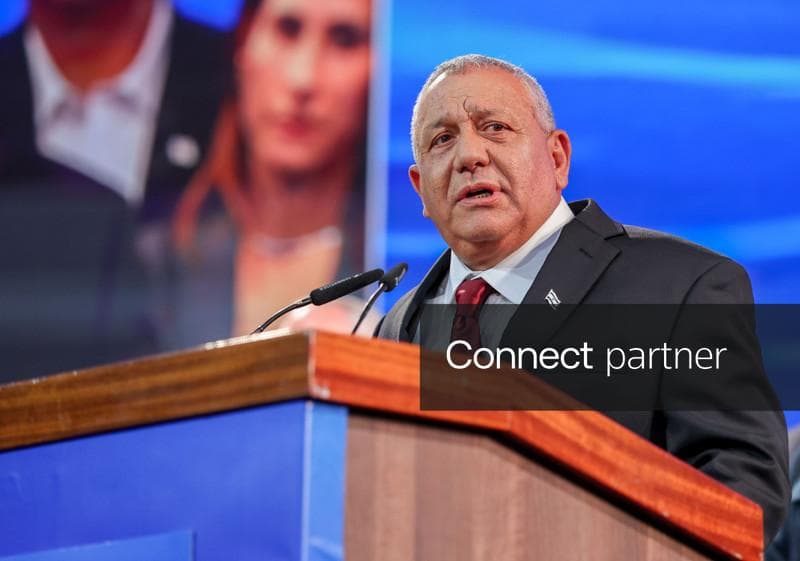
President Isaac Herzog tasked opposition leader Gadi Eisenkot with forming a government on November 8, after 67 of the Knesset's 120 members recommended him. Eisenkot, a former army chief, has until December 6 to assemble a coalition, with a possible two-week extension.
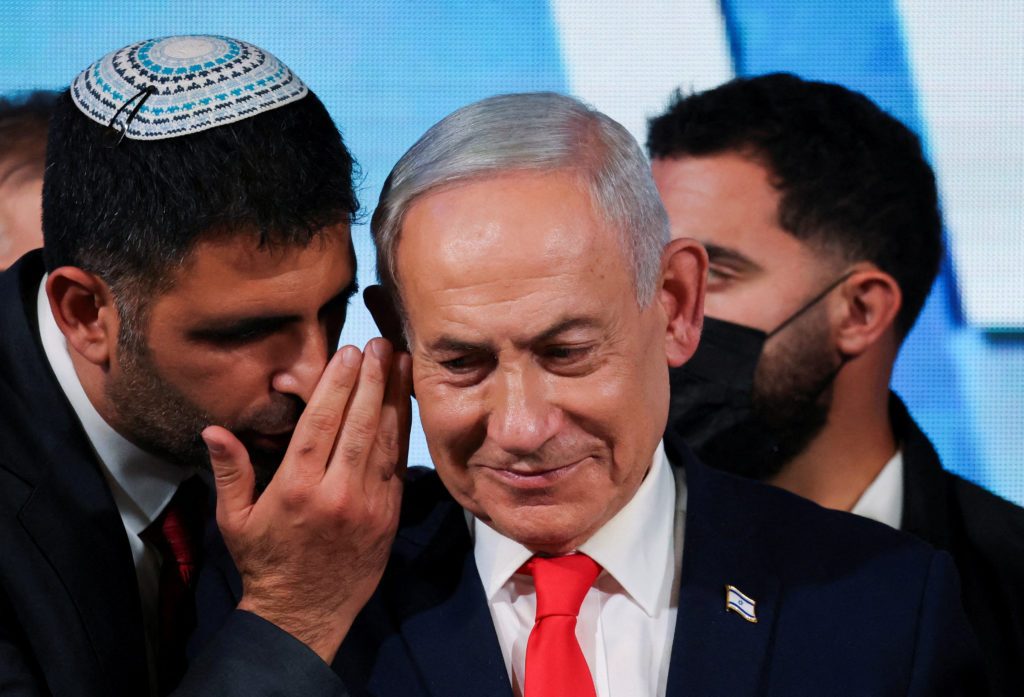
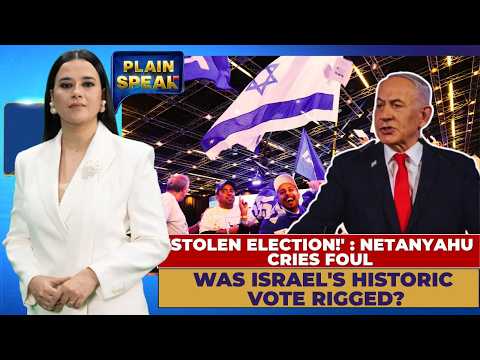
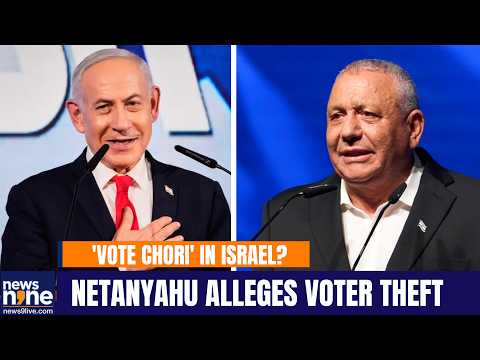
The new Knesset was sworn in on November 10 with no government in place. Netanyahu, still caretaker prime minister, used the ceremony to accuse Arab lawmakers of backing Hamas, and Likud is preparing an appeal of the election results in their entirety, seeking a new vote.
Why it matters
If the certified result holds, Netanyahu loses office to a coalition that depends on Arab parties he accuses of stealing the vote.
Questions about this story
Free account needed to ask — your question is kept and asked for you right after sign-up. Answers are public.
No questions yet — be the first to ask.
Key Indicators
53
Seats won by Netanyahu's bloc
Down from 64 in the 2022 election and short of the 61 needed for a majority.
48
Seats won by Eisenkot's opposition bloc
The main opposition alliance, which could reach a majority with Arab-party support.
19
Seats won by Arab-led parties
The Joint List and Raam, whose support Likud is challenging.
61
Seats needed for a Knesset majority
The threshold neither bloc reached in the 120-seat parliament.
67
Lawmakers who recommended Eisenkot
Factions that backed him during consultations with President Herzog, including the Joint List and Raam.
77.7%
Voter turnout
Up 7.1 percentage points from the 2022 election, according to the Central Elections Committee.
17 events
Latest: Yesterday
Showing 8 of 17
JK to step
Tap a bar to jump to that date
November 2026
Knesset sworn in as coalition talks continue
LatestPolitics
Lawmakers took office without a government in place. Netanyahu accused Arab MKs of supporting Hamas; members of the United Arab List and Democrats leader Yair Golan walked out.
Eisenkot pushes for October 7 inquiry
Politics
In the new Knesset, Eisenkot called for a state commission of inquiry into the October 7, 2023, Hamas attacks, a move backed by the Arab parties and opposed by Netanyahu.
Herzog tasks Eisenkot with forming a government
Politics
The president gave the opposition leader the mandate at a ceremony in Jerusalem after 67 lawmakers recommended him. Eisenkot has 28 days, with a possible 14-day extension.
Likud prepares full appeal of election results
Legal
Hebrew media reported Likud would ask the District Court to annul the results and order new elections, through attorney Ilan Bombach. Its main allegation concerns voter-mobilization apps in the Arab community.
Netanyahu calls for a unity government
Statement
The caretaker prime minister urged the larger bloc to join a unified government that would also include the ultra-Orthodox parties.
Otzma Yehudit presses stolen-election claims in talks with Herzog
Statement
The far-right party used its consultations with the president to argue the election was stolen, despite Herzog's acceptance of the certified results. Herzog suggested the narrative sought to distract from Ben-Gvir's role in high Arab voter turnout.
Joint List backs Eisenkot for prime minister
Politics
The Arab-led alliance said it would support Gadi Eisenkot, calling the move a step toward blocking Netanyahu.
Herzog says mandate to form government will be awarded Sunday
Politics
The president said he would name a lawmaker to assemble a coalition on Sunday, after finishing consultations with party representatives.
The Central Elections Committee approved the results after finding no evidence the election's integrity was compromised. Likud and Shas abstained; Otzma Yehudit voted against.
Herzog accepts certified results and opens coalition consultations
Politics
The president called the results legally binding and began meeting party representatives, saying: "The elections are over. Now is the time to face reality."
Netanyahu and attorney general trade barbs over fraud allegations
Statement
The attorney general asked the intelligence services for progress on a probe into the alleged poll fraud as she and the prime minister exchanged criticism.
Likud presses for investigations and possible new election
Statement
Netanyahu and allies demand arrests and, in the most extreme version, canceling the vote.
Election committee chairman rejects demand to delay certification
Legal
Sohlberg writes that results do not depend on the outgoing majority's consent.
October 2026
Election committee asks Shin Bet to investigate
Investigation
Sohlberg says he cannot verify the claims but asks the security agency to examine them.
Police say no evidence of Arab-party meddling
Investigation
Israeli police report no evidence to support Likud's claims, according to local media.
Likud alleges the election was 'stolen' by Arab parties
Statement
The party claims bribery, foreign funding and fraud, without presenting evidence.
Israel votes; neither bloc reaches 61 seats
Election
Netanyahu's bloc wins 53 seats, Eisenkot's opposition 48, and Arab-led parties 19.
Scenarios
1
Eisenkot sworn in as prime minister with Arab-party backing
Possible
Resolves by End of 2026
Discussed by: Israeli media and opposition bloc leaders
All party leaders in Eisenkot's bloc have said they would back him, and the 19 Arab-led seats could supply a majority. The obstacle is that the bloc is divided on allying with Arab parties, and Arab politicians did not join the post-election talks. If those differences are bridged, Eisenkot can present a 61-seat coalition.
2
Likud blocks certification and Israel heads to a new election
Unlikely
Resolves by Q1 2027
Discussed by: Likud and its allies, as reported by Israeli outlets
Likud has demanded investigations and, in its most extreme form, canceling the vote. The election committee chairman has said the committee cannot withhold publication, and the law requires results within eight days. Blocking certification would likely require legislation or a court fight, making this the hardest path to execute.
3
Netanyahu stays in office through a national unity deal
Uncertain
Resolves by End of 2026
Discussed by: Israeli political analysts
With neither bloc at 61, a unity government spanning Likud and parts of Eisenkot's alliance is an alternative to a narrow coalition dependent on Arab parties. Such a deal would likely require a rotation or power-sharing arrangement, and it would keep Netanyahu in office despite his bloc's losses.
4
Likud's court appeal delays or overturns the certified results
Unlikely
Resolves by End of 2026
Discussed by: Likud and Israeli legal commentators
Under Israeli law an appeal can be filed within 14 days of publication with the Administrative Affairs Court in Jerusalem, and Likud is preparing a possible filing for November 18. The elections committee chairman has said that even if the suspicions were proven, that would not necessarily mean the integrity of the election as a whole was compromised.
5
Eisenkot's coalition talks fail and Israel holds another election
Possible
Resolves by Dec 20, 2026
Discussed by: Israeli media and political analysts
Eisenkot has until December 6, with a possible extension to December 20, to assemble 61 seats. If he fails, Herzog would likely ask Netanyahu to try. If that also fails, a new election follows.
Historical Context
3 moments from history that rhyme with this story — and how they unfolded.
1 of 3
March 2015
Netanyahu's 'droves' video (2015)
On election day in March 2015, Benjamin Netanyahu filmed a 28-second video warning right-wing voters that Arab citizens were heading to the polls "in droves." He won against prevailing expectations. A week later he apologized, saying he did not intend to offend the Arab sector as a whole.
Then
The video galvanized right-wing turnout and Netanyahu won the election.
Now
The episode became a reference point for accusations that Netanyahu uses Arab voters as a turnout tool.
Why this matters now
Eleven years and six elections later, Netanyahu is making a similar argument, now aimed at delegitimizing the Arab parties' record turnout.
2 of 3
April 2019 - March 2021
Four Israeli elections in two years (2019-2021)
Israel held four elections in under two years after repeated failures to assemble a 61-seat coalition. Arab-led parties played a growing role in the arithmetic, and Netanyahu's opponents eventually formed a government that included them.
Then
A rotation government briefly removed Netanyahu from office in 2021.
Now
The deadlock showed how small seat shifts and Arab-party support can decide who governs.
Why this matters now
The current 53-48-19 split echoes that deadlock, with Arab parties again holding the balance.
3 of 3
November 2020 - January 2021
US election certification challenge (2020-2021)
After losing the 2020 presidential election, Donald Trump and allies pressed claims of fraud and sought to block certification in several states. Courts and state officials rejected the challenges. Congress certified the result on January 7, 2021, after a mob stormed the Capitol.
Then
The challenges failed and the result was certified.
Now
The episode became a benchmark for how far challenges to certified results can go.
Why this matters now
It shows the institutional limits that usually stop attempts to overturn a completed vote count.