

Pull to refresh
Logo
Daily Brief
Following
Why Ranks Sign Up
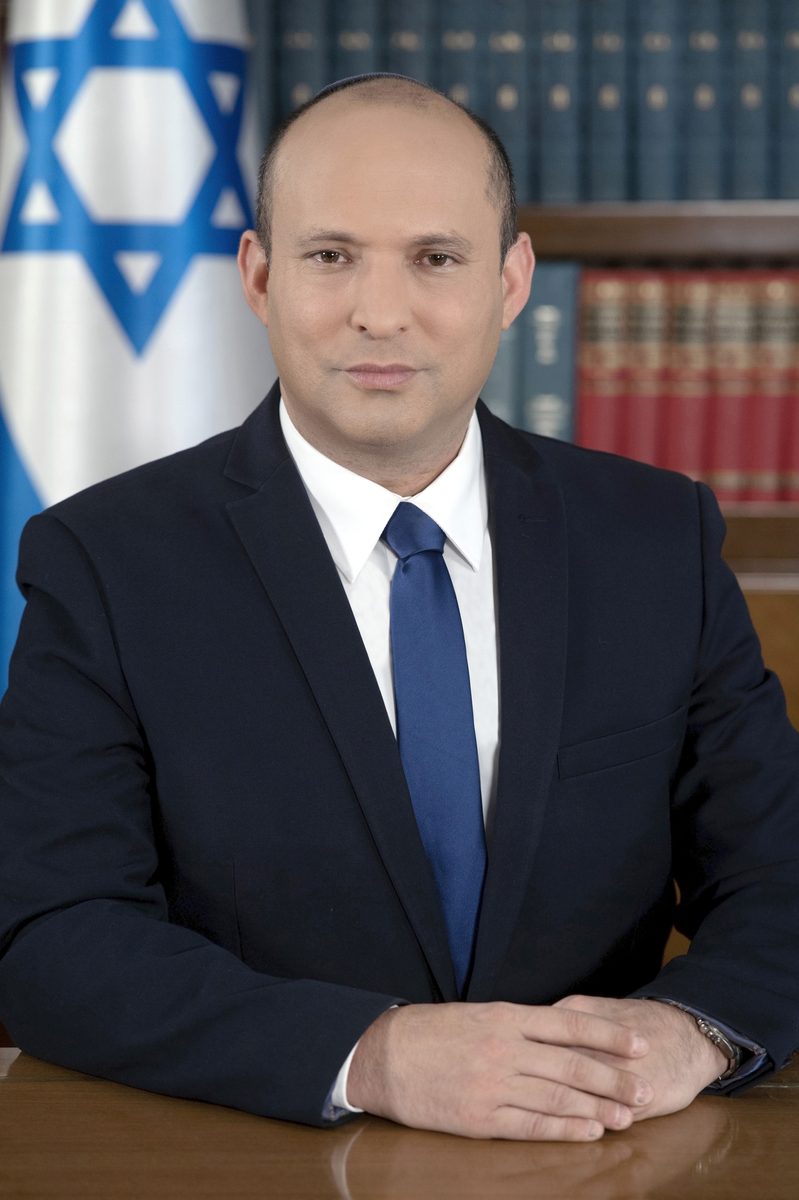
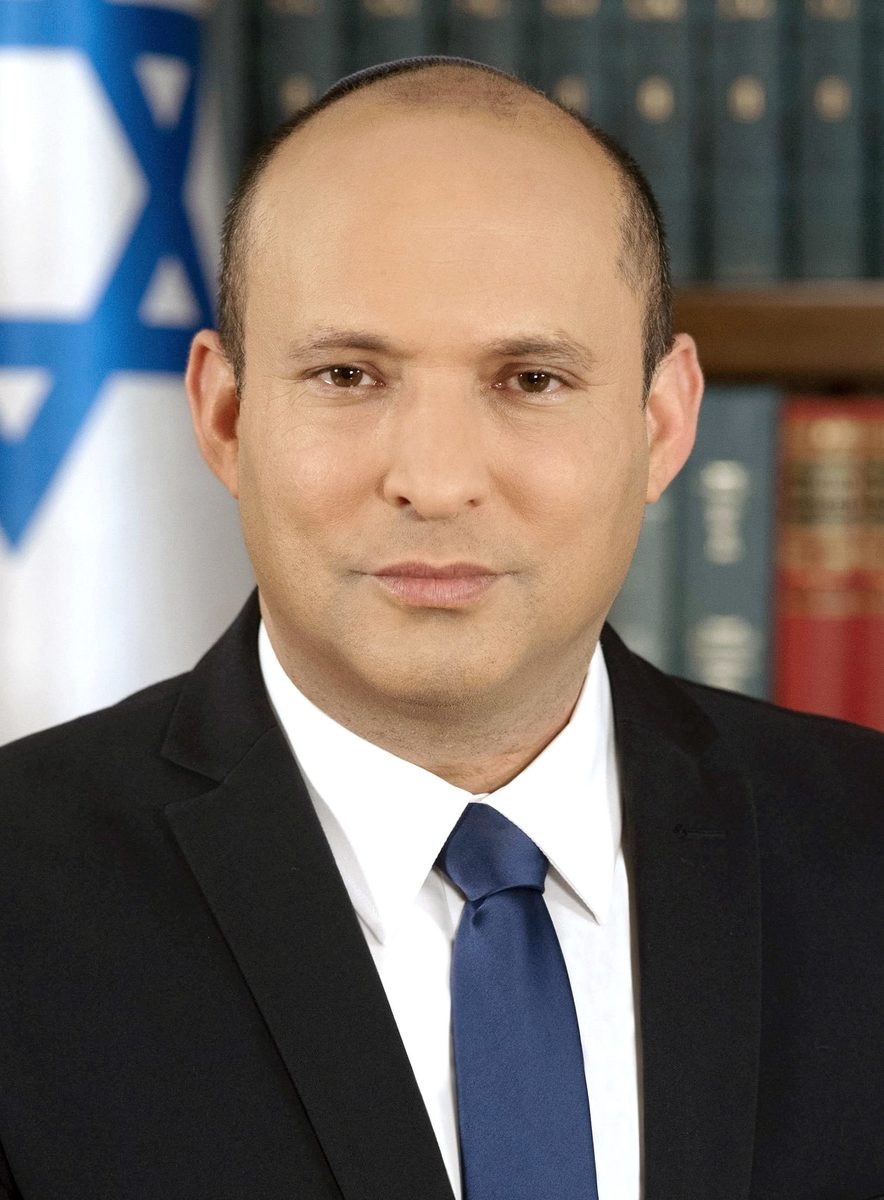
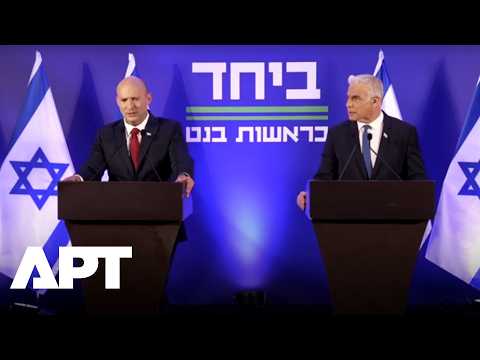
Bennett and Lapid merge parties to challenge Netanyahu in 2026 vote

Bennett and Lapid merge parties to challenge Netanyahu in 2026 vote

Rule Changes

Merged 'Together' slate draws broad opposition support while Netanyahu warns it will return Arab parties to power

April 26th, 2026: Bennett and Lapid announce 'Together' merger

Overview

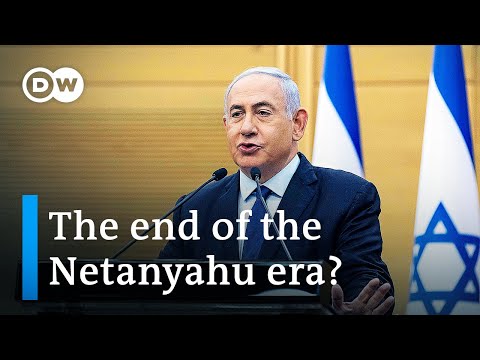
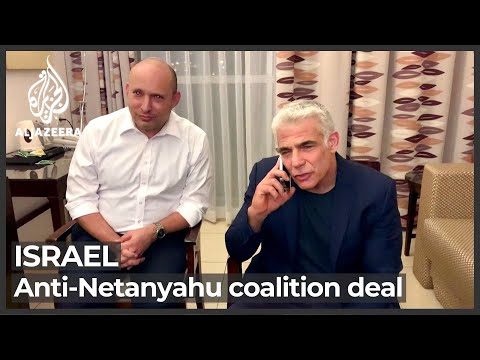
Naftali Bennett and Yair Lapid—the two former Israeli prime ministers who briefly removed Benjamin Netanyahu from power in 2021—announced on April 26 the merger of their parties into a single slate called 'Together, Led by Bennett.' Netanyahu responded within hours with an inflammatory video on social media showing the pair's 2021 coalition-signing ceremony alongside Arab party leader Mansour Abbas, captioned 'They did it once, they will do it again'—framing a future government dependent on Arab parties as an inevitable consequence of any Bennett-Lapid win.

A broad opposition front quickly welcomed the merger: Gadi Eisenkot (Yashar), Benny Gantz (National Unity), Avigdor Liberman (Yisrael Beytenu), and Yair Golan (Democrats) all expressed support on the same day. Bennett publicly invited Eisenkot to join the combined list, though Eisenkot stopped short of committing. Pre-merger polling had put Together at 28 seats against Likud's 25, but analysts warn that finishing first in seats is not the same as governing—the right-religious bloc behind Netanyahu has historically been easier to consolidate to the 61-seat majority threshold than any coalition it faces.

Why it matters

The merged slate polls ahead of Likud for the first time in years; Netanyahu's immediate counterattack confirms the threat is real.

Key Indicators

28
Combined seats in pre-merger polling
Bennett's 21 plus Lapid's 7 — the new joint list's starting position before the merger boost.
25
Likud's polled seats
Netanyahu's party trails the combined opposition slate in the most recent N12 poll.
61
Seats needed for a Knesset majority
The threshold for forming a governing coalition in Israel's 120-seat parliament.
17 years
Netanyahu's cumulative time as PM
Across multiple terms since 1996, interrupted only by the 2021–22 Bennett-Lapid government.

Interactive

Exploring all sides of a story is often best achieved with Play.

Ever wondered what historical figures would say about today's headlines?

Sign up to generate historical perspectives on this story.

People Involved

Organizations Involved

Timeline

  1. Bennett and Lapid announce 'Together' merger

    Political

    The two former prime ministers fold their parties into a single slate led by Bennett, with Lapid as number two, to run a unified opposition campaign.

  2. Netanyahu posts inflammatory video attacking the merger

    Political

    Hours after the Together announcement, Netanyahu published a video on X/Twitter showing the 2021 coalition-signing ceremony between Bennett, Lapid, and Arab party leader Mansour Abbas of Ra'am, captioned 'They did it once, they will do it again.' Likud separately posted an AI-generated image depicting Abbas driving a car with child versions of Bennett and Lapid as passengers.

  3. Eisenkot, Gantz, Liberman, and Golan welcome merger; Bennett invites Eisenkot to join

    Political

    All four major opposition bloc leaders outside Together welcomed the merger on the day of the announcement. Gadi Eisenkot said he had spoken to Bennett before the press conference and praised the decision but did not confirm whether he would join. Bennett publicly called on Eisenkot to join Together, leaving a slot open for him.

  4. Pre-merger poll shows fragmented opposition

    Poll

    An N12 News survey puts Bennett's list at 21 seats, Likud at 25, and Lapid's Yesh Atid at 7 — down from 24 in the current Knesset.

  5. Hamas attack triggers war and political crisis

    Security

    The deadliest attack in Israeli history reshapes domestic politics, sharpens criticism of Netanyahu, and sets the backdrop for the next election.

  6. Netanyahu returns to power

    Election / Coalition

    Netanyahu forms a coalition with ultra-Orthodox and far-right parties, the most right-wing government in Israeli history.

  7. Change government collapses

    Coalition

    The Bennett-Lapid coalition disintegrates after defections; Lapid becomes interim prime minister and parliament dissolves.

  8. Bennett-Lapid coalition ousts Netanyahu

    Election / Coalition

    An eight-party coalition spanning right, center, left and an Arab party installs Bennett as prime minister under a rotation deal with Lapid, ending Netanyahu's 12-year run.

Scenarios

Predict which scenario wins. Contrarian picks score more — points lock in when the scenario resolves.

Log in to predict. Track your picks, climb the leaderboard. Log in Sign Up
1

Together wins plurality, Bennett returns as prime minister

Together holds or grows its current polling lead, attracts smaller centrist factions, and clears 61 seats with allies including Benny Gantz's National Unity, Yisrael Beiteinu, and Labor. Bennett forms a coalition without ultra-Orthodox or far-right parties — the first government of its kind since the brief 2021 experiment. The trigger is whether the joint list can hold the right-leaning Bennett voter and the secular-centrist Lapid voter in the same tent through the campaign.

Discussed by: Israeli political analysts at Haaretz and Channel 12; pollster Camil Fuchs
Consensus
2

Likud rebuilds right-religious bloc, Netanyahu serves another term

Netanyahu uses the campaign to attack Bennett as a serial coalition-breaker and Lapid as too weak, and his bloc consolidates ultra-Orthodox, Religious Zionism, and Otzma Yehudit votes that don't transfer to Together. Even if Likud trails the joint list in seats, the right-religious bloc reaches 61 first because the opposition still depends on Arab parties whose support most coalition partners refuse. Netanyahu has used exactly this arithmetic to govern since 2009.

Discussed by: Likud strategists; commentators at Israel Hayom
Consensus
3

Hung Knesset, neither bloc reaches 61

Both blocs land in the mid-50s, with Arab parties and a small kingmaker faction holding the balance. Negotiations stretch for months, a fifth election in seven years becomes plausible, and either Bennett or Netanyahu attempts a minority government on outside support. This is the default outcome of Israeli politics since 2019 — three of the last six elections produced no stable coalition on the first attempt.

Discussed by: Israel Democracy Institute analysts; political scientists at Hebrew University
Consensus
4

Merger fractures before election day

Bennett's right-of-center base and Lapid's secular-centrist base prove incompatible under campaign pressure; one wing splits off, restoring a fragmented opposition. The trigger would be a policy fight over the Gaza war, judicial reform, or religion-and-state — the same fault lines that broke the 2021 coalition in a year.

Discussed by: Skeptical commentators citing the 2019–20 Blue and White precedent
Consensus

Historical Context

The 'change government' (2021)

June 2021 – June 2022

What Happened

Eight parties from Meretz on the left to Yamina on the right, plus the Islamist Ra'am, formed a coalition for the express purpose of removing Netanyahu. Bennett took the premiership first under a rotation deal with Lapid, despite his party holding only 7 seats. The coalition held a one-seat majority.

Outcome

Short Term

It ended Netanyahu's 12-year run and passed the first state budget in three years. It collapsed within 12 months after right-wing defections.

Long Term

It proved that a heterogeneous anti-Netanyahu bloc could win, but also that it could not govern long without a coherent program beyond opposing him.

Why It's Relevant Today

Together is the same partnership minus the ideological extremes — designed to keep the winning formula and shed the contradictions that broke the last one.

Blue and White merger (2019–2020)

February 2019 – March 2020

What Happened

Benny Gantz, Yair Lapid, and Moshe Ya'alon merged their parties into Blue and White to challenge Netanyahu, winning 35 seats in April 2019 and tying Likud across three elections. The alliance entered a unity government with Netanyahu in 2020 and immediately splintered.

Outcome

Short Term

Lapid quit the merger when Gantz agreed to serve under Netanyahu, returning to a smaller Yesh Atid.

Long Term

The episode reinforced the lesson that personality-driven Israeli mergers tend to dissolve when one partner is offered a seat at Netanyahu's table.

Why It's Relevant Today

Lapid has now agreed to play number two again — exactly the role that ended badly with Gantz. The merger's stability hinges on whether Bennett resists the same temptation.

Kadima's 2009 plurality

February 2009

What Happened

Tzipi Livni's Kadima won 28 seats to Likud's 27 but could not assemble 61 votes from the rest of the Knesset. President Shimon Peres handed the mandate to Netanyahu, who built a coalition with the right and the ultra-Orthodox.

Outcome

Short Term

Netanyahu returned to the prime minister's office despite finishing second.

Long Term

The episode anchored the modern rule of Israeli coalition politics: winning the most seats matters less than commanding 61, and the right-religious bloc has been easier to assemble than its rival.

Why It's Relevant Today

Together leading Likud in seat polls is not enough on its own. The relevant question is which bloc — including parties not in the merger — can reach 61 first.

Sources

(12)