



Hungary's 2010 Fidesz supermajority and EU alignment shift
Viktor Orbán's Fidesz won a two-thirds supermajority in Hungary's parliament, enabling constitutional changes that restructured the judiciary, media regulation, and electoral system. Hungary shifted from a mainstream EU member to the bloc's most persistent internal critic.
Orbán used the supermajority to rewrite Hungary's constitution and consolidate control over independent institutions.
Hungary became a reliable veto threat on EU foreign policy, blocking unanimous decisions on Russia sanctions, Ukraine aid, and Middle East positions — a dynamic that persists fifteen years later.
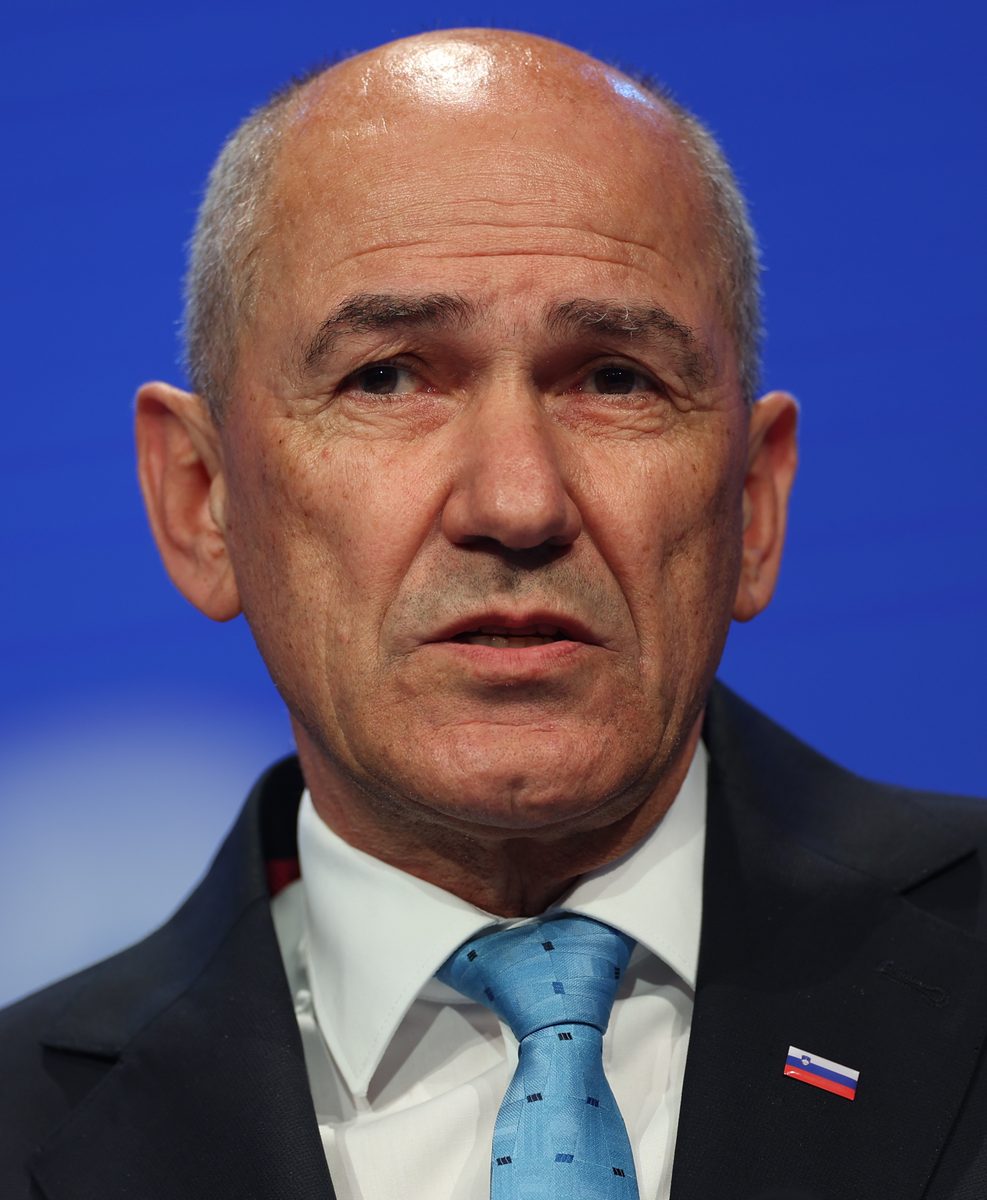
Janša has explicitly called for constitutional reform requiring a two-thirds majority and maintains close ties to Orbán. A Janša-led government would not command a supermajority, but even a simple majority coalition could shift Slovenia from being the EU's most vocal critic of Israel to a position aligned with Hungary's stance — altering the balance of power on EU foreign policy votes.