
Pull to refresh
Logo
Arab parties become kingmakers in deadlocked Israeli election

Arab parties become kingmakers in deadlocked Israeli election

Rule Changes

Herzog handed Eisenkot the mandate on Nov. 8, and the new Knesset was sworn in two days later as Ra'am discussed joining a coalition.

Overview

Updated Yesterday

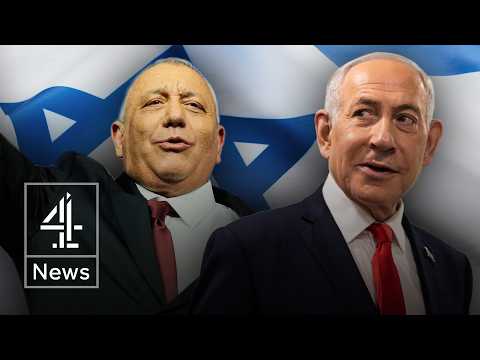
President Isaac Herzog gave Gadi Eisenkot the mandate to form a government on Nov. 8, after 67 lawmakers recommended him and 46 backed Benjamin Netanyahu. The 26th Knesset was sworn in on Nov. 10. Eisenkot has 28 days to assemble a majority, with a possible 14-day extension.

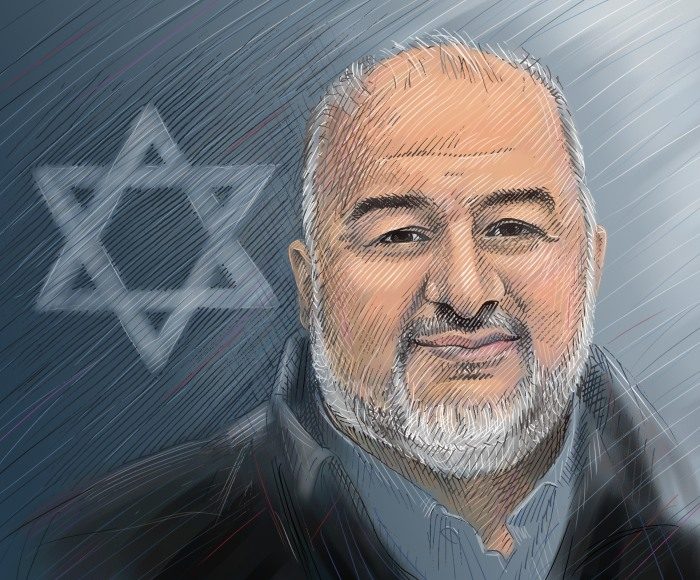
Eisenkot and Yisrael Beiteinu leader Avigdor Lieberman agreed on Nov. 9 to exhaust talks with ultra-Orthodox parties before trying a minority government backed by Arab parties. On Nov. 10, Democrats chairman Yair Golan confirmed negotiations with Ra'am leader Mansour Abbas. Abbas said Ra'am wants to join the coalition and that Netanyahu's bloc would become the opposition within hours.

Why it matters

The result gives Israel’s Arab citizens leverage over who governs, after years in which their parties were treated as outside the coalition market.

Questions about this story

Free account needed to ask — your question is kept and asked for you right after sign-up. Answers are public.

No questions yet — be the first to ask.

Key Indicators

19
Knesset seats won by Arab-led parties
Nearly double the 10 seats Arab parties held before the election.
61
Seats needed for a Knesset majority
The threshold neither major bloc reached.
80%
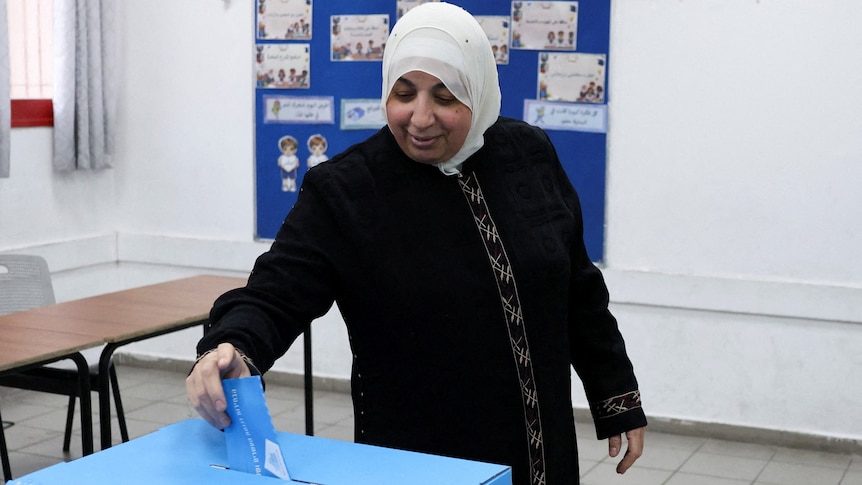
Turnout among eligible Palestinian citizens
About 760,000 votes, described as a record surge.
77.7%
Overall voter turnout
Highest since 1999, according to the Central Elections Committee.
53
Seats in Netanyahu’s bloc
Likud won 27 seats; its right-wing and ultra-Orthodox allies won the rest.
48
Seats in Eisenkot’s bloc
The opposition bloc fell short of a majority without Arab support.
21%
Arab share of Israel’s population
Palestinian citizens of Israel are a minority with growing electoral weight.
67
Lawmakers who recommended Eisenkot
Compared with 46 for Netanyahu; seven abstained.
28
Days Eisenkot has to form a government
With a possible 14-day extension.

Voices

Curated perspectives — historical figures and your fellow readers.

Sign up to generate historical perspectives on this story.

People Involved

Organizations Involved

Likud
Likud
Political party
Won 27 seats; its 53-seat bloc is set to become the opposition, Mansour Abbas said on Nov. 10. Netanyahu has not conceded.

Israel’s main right-wing party, led by Netanyahu.

Joint List (Hadash, Ta'al, Balad)
Arab-led political alliance
Was scheduled to not vote for an Eisenkot-led government but will not act to topple it, Haaretz reported on Nov. 8.

One of the two main Arab-led parties in the Knesset.

United Arab List (Ra'am)
Political party
In talks with Yair Golan's Democrats; Abbas said on Nov. 10 that Ra'am seeks to join the coalition and government.

An Arab party with roots in the Islamic Movement, led by Mansour Abbas.

Abraham Initiatives
Abraham Initiatives
Non-governmental organization
Comments on Arab turnout and political engagement.

An NGO that engages with Arab communities in Israel.

Democrats (Ha-Demokratim)
Israeli political party
Part of the anti-Netanyahu bloc; chairman Yair Golan confirmed talks with Ra'am on Nov. 10.

A party in the anti-Netanyahu change bloc, led by Yair Golan.

YB
Yisrael Beiteinu
Political party
Agreed with Eisenkot on Nov. 9 to negotiate with ultra-Orthodox parties first; rejects a minority government backed by Arab parties.

A right-wing party led by Avigdor Lieberman, part of the anti-Netanyahu bloc.

UT
United Torah Judaism
Political party
Set four conditions for supporting an Eisenkot-led government, including a temporary suspension of conscription for ultra-Orthodox Jews.

An ultra-Orthodox party with seven Knesset seats.

Timeline

October 2026 November 2026

12 events Latest: Yesterday Showing 8 of 12
Tap a bar to jump to that date
  1. 26th Knesset sworn in as Ra'am talks continue

    Latest Coalition talks

    Yair Golan confirmed negotiations with Ra'am leader Mansour Abbas. Abbas said Ra'am seeks to join the coalition and that Netanyahu's bloc would become the opposition within hours.

  2. Eisenkot and Lieberman agree to talk to ultra-Orthodox first

    Coalition talks

    The two party leaders agreed to exhaust negotiations with ultra-Orthodox parties before turning to a minority government backed by Arab parties, Channel 13 reported.

  3. Herzog gives Eisenkot mandate to form government

    Coalition talks

    After 67 lawmakers recommended him against 46 for Netanyahu, Herzog tasked Eisenkot with forming a government. He has 28 days, with a possible 14-day extension.

  4. Report: Ra'am would back Eisenkot government without coalition deal

    Coalition talks

    Haaretz reported Ra'am would vote for a government Eisenkot presents even without a finalized coalition agreement. The Joint List would not vote for it but would not try to topple it.

  5. Herzog certifies results and opens coalition consultations

    Coalition talks

    President Isaac Herzog accepted the certified election results as legally binding and began meeting party factions on forming a government.

  6. Opposition bloc endorses Eisenkot for prime minister

    Coalition talks

    Leaders of the opposition bloc met in Herzliya and said Eisenkot should get the first chance to form a government.

  7. Arab parties back Eisenkot’s bloc

    Coalition talks

    The two main Arab-led factions, holding 19 seats, said they would support opposition leader Gadi Eisenkot’s bloc.

  8. Final tally confirms Arab parties as kingmakers

    Results

    The count left Arab-led parties holding the balance in the 120-seat Knesset.

  9. Netanyahu camp alleges election irregularities

    Contest

    His allies called for investigations and alleged foreign interference as Arab turnout surged.

  10. Neither bloc reaches 61 seats

    Coalition talks

    Netanyahu’s bloc stood at 53, Eisenkot’s at 48, and Arab parties at 19.

  11. Arab-led parties projected at 19 seats

    Results

    Partial counts showed Arab parties nearly doubling their previous 10 seats.

  12. Israelis vote in deadlocked election

    Election

    Turnout among Palestinian citizens reached about 80%, or nearly 760,000 votes.

Scenarios

1

Eisenkot forms a minority government backed by Arab parties from outside

Possible Resolves by End of 2026

Discussed by: NPR and ABC News

Eisenkot’s 48-seat bloc plus the 19 Arab-led seats would command 67 seats. Ra’am has said it would vote for a government Eisenkot presents even without a coalition deal, and the Joint List would not try to topple it. Eisenkot and Lieberman agreed on Nov. 9 to try ultra-Orthodox parties first, postponing this option.

2

Netanyahu stays in power by peeling away defectors

Unlikely Resolves by End of 2026

Discussed by: NPR and Bloomberg

Netanyahu’s bloc has 53 seats and would need about eight lawmakers from outside his camp to reach 61. That would require persuading members of Eisenkot’s bloc or Arab-led parties to defect. No such movement has been confirmed.

3

Israel returns to the polls after coalition talks fail

Possible Resolves by Q2 2027

Discussed by: NPR and Lianhe Zaobao

If no candidate can assemble a majority, the president can give another candidate a chance. If that fails, another election remains possible. Netanyahu may believe a repeat vote would lower Arab turnout and help his bloc.

4

An Arab party joins the governing coalition directly

Unlikely Resolves by End of 2026

Discussed by: CBC News

Ra’am is in talks with Yair Golan’s Democrats about joining the coalition. Abbas said on Nov. 10 that Ra’am seeks to be part of the coalition and government. Ra’am’s 2021 coalition role is the closest precedent.

5

Eisenkot forms a coalition with ultra-Orthodox parties

Possible Resolves by Dec 6, 2026

Discussed by: Channel 13 and Anadolu Agency

Eisenkot and Lieberman agreed to exhaust negotiations with United Torah Judaism and Shas before turning to a minority government. The ultra-Orthodox parties hold 13 seats, enough to give Eisenkot’s 48-seat bloc a 61-seat majority if both join. Conscription exemptions remain the main obstacle.

Historical Context

2 moments from history that rhyme with this story — and how they unfolded.

June 2021

Israel’s 2021 coalition

Naftali Bennett and Yair Lapid formed a government that included Ra’am, making Mansour Abbas the first Arab party leader to join an Israeli coalition. The coalition collapsed in June 2022 after defections.

Then

Ra’am gained leverage and secured budgets for Arab communities.

Now

It showed Arab parties could govern but did not end their structural exclusion from most coalitions.

Why this matters now

Today’s 19-seat bloc tests whether that model can be repeated or expanded under deadlock.

March 2015

Israel’s 2015 election

The Joint List won 13 seats after Arab turnout rose, but no Zionist party invited it into government. Netanyahu formed a right-wing coalition instead.

Then

Arab parties gained seats but stayed outside the government.

Now

High turnout did not convert into coalition influence.

Why this matters now

The 2026 result nearly doubles that seat count and arrives in a deadlock, making outside support harder to dismiss.

Sources

(27)