



Pull to refresh
Logo
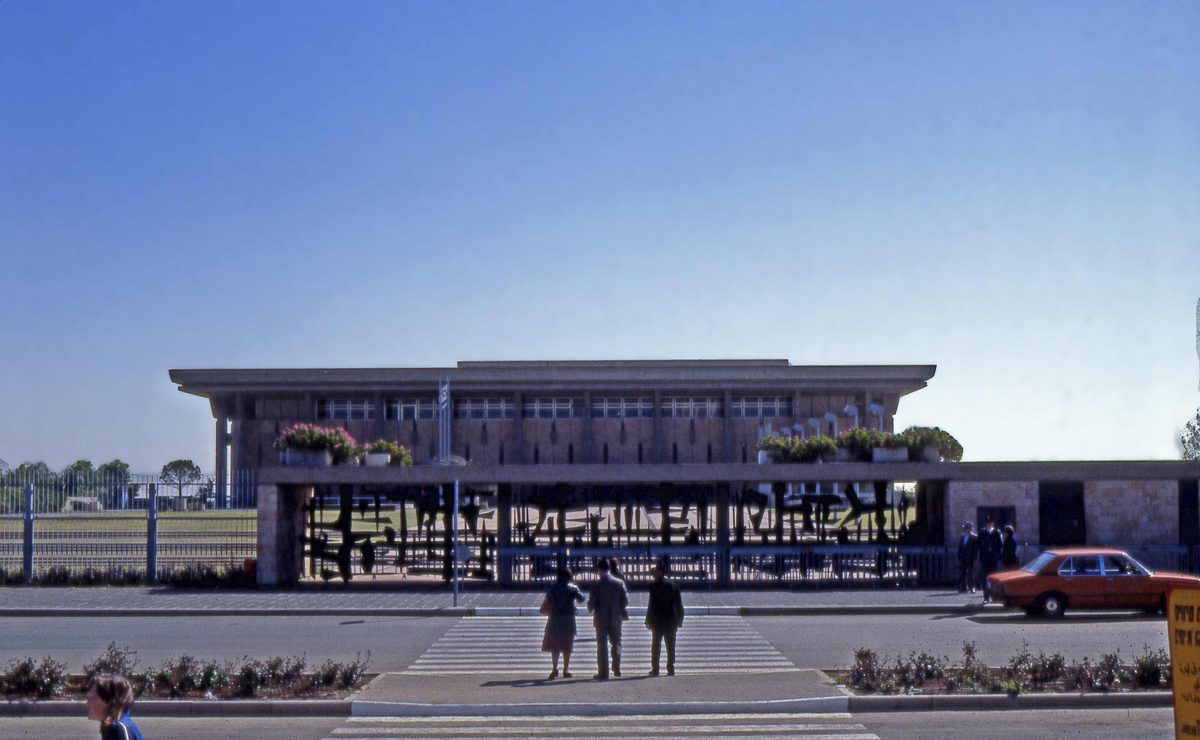
Israel's Knesset dissolves, setting October 27 election

Israel's Knesset dissolves, setting October 27 election

Rule Changes

A rare full-term parliament ends with a campaign framed around Netanyahu's future

July 17th, 2026: Knesset dissolves, sets October 27 vote

Overview

Updated Jul 17

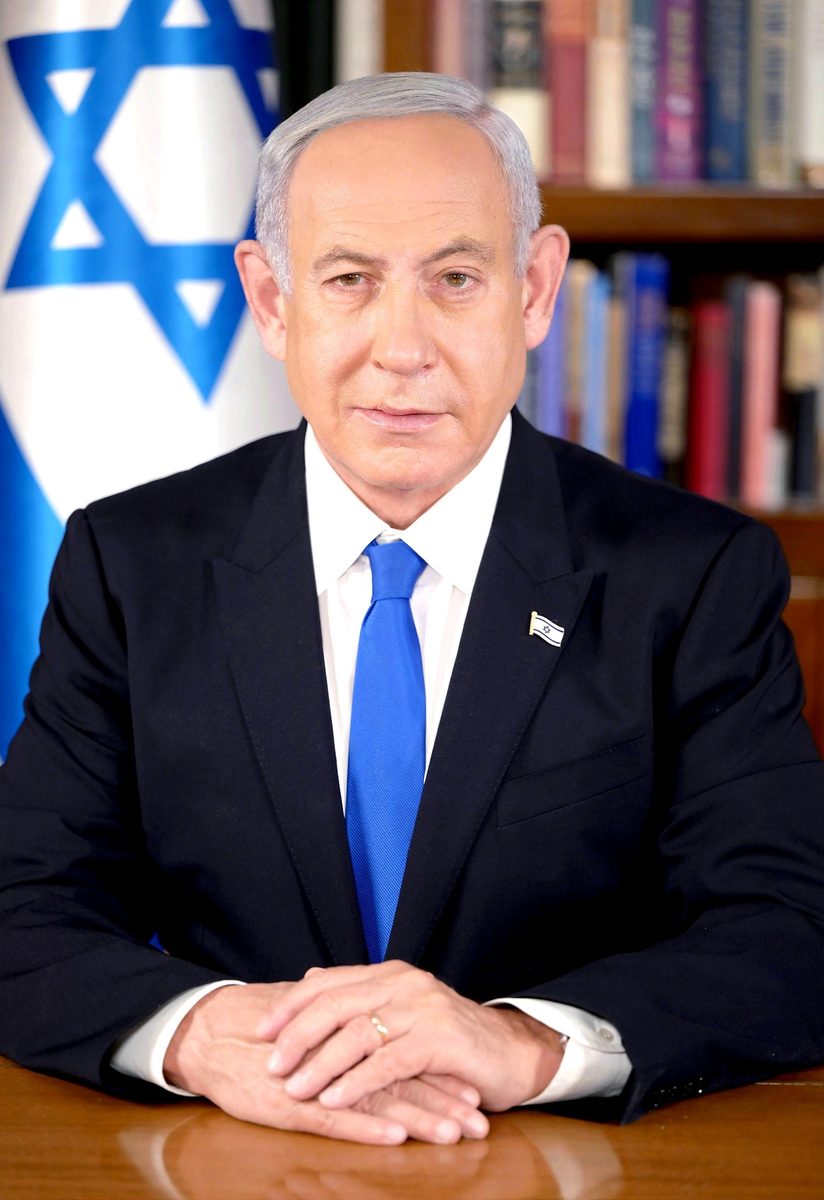
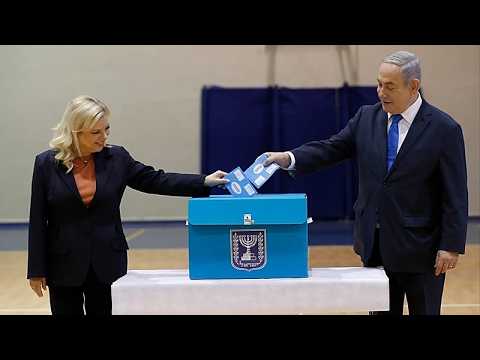
Israel's parliament voted 62-0 overnight into Friday to dissolve itself, triggering a national election on October 27. Only coalition members voted; the opposition stayed out. Prime Minister Benjamin Netanyahu voted to end his own government.

This is the first Knesset to finish a full four-year term since 1988. In its final days it passed laws that tighten government control over broadcasters and weaken the attorney general. Israelis now decide whether Netanyahu keeps power after the longest premiership in the country's history.

Why it matters

The vote sets a date for Israelis to decide whether Netanyahu stays in power, and whether laws reshaping courts and media survive.

Questions about this story

Free account needed to ask — your question is kept and asked for you right after sign-up. Answers are public.

No questions yet — be the first to ask.

Key Indicators

Oct 27
Election day
Date Israelis vote for the next Knesset.
62-0
Dissolution vote
Coalition members backed the motion; the opposition abstained.
1988
Last full-term Knesset
The first time in 38 years a parliament has served all four years.
61
Seats for a majority
A bloc needs 61 of the 120 Knesset seats to form a government.

Voices

Curated perspectives — historical figures and your fellow readers.

Ever wondered what historical figures would say about today's headlines?

Sign up to generate historical perspectives on this story.

People Involved

Organizations Involved

Timeline

December 2022 July 2026

5 events Latest: July 17th, 2026 · 2 months ago
Tap a bar to jump to that date
  1. Knesset dissolves, sets October 27 vote

    Latest Political

    Parliament votes 62-0 to disband, ending the first full four-year term since 1988. Netanyahu votes in favor.

  2. Coalition guts attorney general's powers

    Legislation

    The Knesset votes 65-51 to let ministers reject the attorney general's legal opinions and to give the coalition more say over the post.

  3. Ultra-Orthodox parties quit the coalition

    Political

    United Torah Judaism leaves the government over a military draft dispute, cutting Netanyahu near 60 seats.

  4. Netanyahu returns to power

    Political

    Netanyahu forms a coalition with religious and far-right parties, starting the 25th Knesset's term.

Scenarios

1

Netanyahu forms another government after the vote

Possible Resolves by Jan 31, 2027

Discussed by: Haaretz and Times of Israel polling coverage; Britannica election preview

Likud stays the largest party and, with its religious and far-right allies, reaches 61 seats. Netanyahu is tasked by the president with forming a coalition and returns as prime minister. Polls through mid-2026 keep Likud on top but often short of a bloc majority, so this turns on turnout and whether smaller right-wing parties clear the 3.25% threshold.

2

Anti-Netanyahu bloc wins and replaces him

Possible Resolves by Q1 2027

Discussed by: Times of Israel poll reports; Steptoe strategic outlook

Opposition parties led by the Bennett-Lapid list, plus Gantz, Eisenkot, Liberman, and others, together reach 61 seats and agree on a government without Likud. A new prime minister is sworn in and moves to reverse or freeze the media and attorney-general laws. Fragmented negotiations and personal rivalries are the main obstacle to a stable alternative bloc.

3

Deadlock forces another election

Unlikely Resolves by May 31, 2027

Discussed by: Analysts cited by Haaretz and The Times of Israel

Neither bloc reaches 61 seats, and coalition talks collapse over the same splits that have marked recent years. If no one can form a government within the legal windows, Israel heads back to the polls, repeating the pattern of five elections between 2019 and 2022. This depends on close results and refusals to sit together.

Historical Context

3 moments from history that rhyme with this story — and how they unfolded.

1988 - 1992

The 1988 Knesset's full term

The last time before now that an Israeli parliament served a complete four-year term. In the decades since, coalitions repeatedly broke apart early, forcing snap elections well before schedule.

Then

The 1992 vote brought Yitzhak Rabin's Labor government to power.

Now

Early collapses became the norm, making a full term rare.

Why this matters now

Reaching the four-year mark this time is itself unusual and marks how the current coalition held together despite strains.

April 2019 - November 2022

Israel's five elections in four years (2019-2022)

Israel held five national elections in under four years because no bloc could form a stable majority. Netanyahu lost power in 2021 to a broad coalition under Naftali Bennett and Yair Lapid, then returned in late 2022. Each round turned largely on whether voters backed or opposed Netanyahu.

Then

The 2021 government collapsed within a year, triggering the fifth vote.

Now

Netanyahu came back at the head of his most right-wing coalition yet.

Why this matters now

It shows how fragile Israeli coalitions are and why a deadlock in October could again mean no clear winner.

January - September 2023

The judicial overhaul protests (2023)

Netanyahu's government pushed a plan to limit the Supreme Court's power over the government. Hundreds of thousands protested for months, and reservists threatened to stop serving. The Supreme Court later struck down a central piece of the plan.

Then

The fight split the country before the October 7 war paused it.

Now

The dispute over the courts and the attorney general never ended and shapes the 2026 campaign.

Why this matters now

The laws passed in the Knesset's final week revive the same fight over checks on government power.

Sources

(6)