
Pull to refresh
Logo
Election panel orders Netanyahu to remove campaign videos using public resources

Election panel orders Netanyahu to remove campaign videos using public resources

Rule Changes

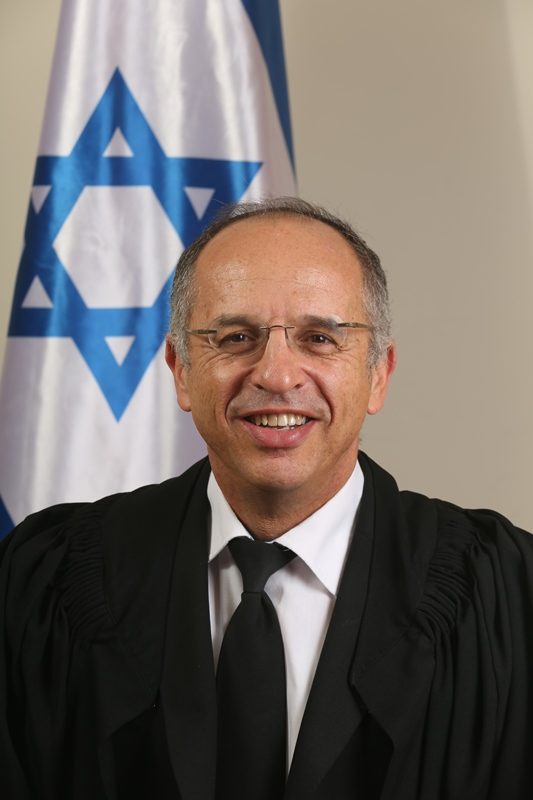
Central Elections Committee chair Noam Sohlberg imposed NIS 31,500 in costs over campaign videos; the October 27 election ended in a projected stalemate.

Overview

Updated Oct 30

Israel's Central Elections Committee chair, Justice Noam Sohlberg, ruled on October 4 that Prime Minister Benjamin Netanyahu used state resources for election propaganda. He granted two of six petitions fully, three partly, and rejected one, ordering content removed from official and personal accounts. A second ruling on October 6 ordered Netanyahu to delete a Tel Nof Air Base video from his personal accounts and pay NIS 2,500, on top of NIS 29,000 already imposed.

Israel held its Knesset election on October 27. Exit polls reported by The Times of Israel predicted a stalemate, with neither Netanyahu nor Gadi Eisenkot able to form a coalition without breaking campaign promises. Both said they would try. The campaign-material rulings remain in force as coalition talks begin.

Why it matters

Israeli prime ministers face a clear legal boundary on using state platforms and military appearances for election messaging, now enforced with repeated fines.

Questions about this story

Free account needed to ask — your question is kept and asked for you right after sign-up. Answers are public.

No questions yet — be the first to ask.

Key Indicators

6
Petitions filed against Netanyahu over public-resource use
Two fully granted, three partly granted, one rejected by the Central Elections Committee.
2
Separate rulings against Netanyahu
The October 4 ruling on six petitions and the October 6 Tel Nof Air Base ruling.
NIS 31,500
Costs imposed on Netanyahu
Combined NIS 29,000 from the October 4 ruling and NIS 2,500 from the October 6 Tel Nof Air Base ruling, both to be paid personally.
2026-10-27
Election day
Israel held its Knesset election; exit polls predicted no bloc could form a coalition without breaking campaign promises.

Voices

Curated perspectives — historical figures and your fellow readers.

Sign up to generate historical perspectives on this story.

People Involved

Organizations Involved

Timeline

June 2026 October 2026

11 events Latest: October 28th, 2026 · 2 weeks ago Showing 8 of 11
Tap a bar to jump to that date
  1. Exit polls show stalemate; Netanyahu and Eisenkot vow to form coalition

    Latest Election

    Exit polls predicted neither bloc had a majority without breaking campaign promises. Netanyahu and Eisenkot each said they would try to assemble a government.

  2. Israel holds Knesset election

    Election

    Voters cast ballots in the Knesset election. Exit polls later predicted a stalemate between the blocs.

  3. Sohlberg urges Knesset to modernize election propaganda laws

    Statement

    Sohlberg calls on lawmakers to update campaign advertising rules for the digital era, while saying the ban on public-resource use remains binding.

  4. Netanyahu speaks at officer graduation ceremony

    Event

    Graduation speech at Bahad 1 partially barred; segments of personal boasts must be removed or the whole recording taken down.

  5. Netanyahu visits southern Lebanon IDF outpost

    Event

    Morale visit filmed by Government Press Office; full official video permitted but edited version on personal accounts barred as propaganda.

  6. Netanyahu addresses IDF senior command forum

    Event

    Speech describing how he rejected Hamas demands and claimed credit for hostage returns and Iran-axis strikes; petition fully granted, content ordered removed.

  7. Netanyahu speaks at Bible Route event

    Event

    Speech on the 'Derech HaTanakh' (Bible Route) highway naming; petition over this speech rejected by Sohlberg, who found legitimate public-information purpose.

  8. Netanyahu gives post-Iran press conference

    Statement

    Netanyahu describes Iran nuclear prevention as 'my life's mission' in a press briefing following the conflict; footage later found to be campaign propaganda.

Scenarios

1

Petitioners seek enforcement, ruling stands through election

Deadline passed (Oct 27, 2026)

Discussed by: The State of Israel, Times of Israel

Netanyahu complies with the removal orders, the videos come down, and the ruling sets the precedent for enforcement through the election. Watchdog groups use the decision to file further petitions against similar content. The election was held on October 27; this path requires no further legal action.

2

Netanyahu mounts Supreme Court appeal

Possible Resolves by Nov 15, 2026

Discussed by: Walla, Channel 14

Netanyahu petitions the Supreme Court to overturn Sohlberg's decision, arguing the speeches had legitimate official purposes and that the line drawn is overbroad. The Court would need to rule quickly for the appeal to have practical effect; the election was held on October 27. Israeli election law allows appeals of Central Elections Committee rulings in certain circumstances.

3

New petitions follow, pattern extends through campaign

Possible Resolves by Dec 1, 2026

Discussed by: News1, Ynet

The watchdog groups that filed the successful petitions — including Bocheirim B'Yisrael (Choosing in Israel) and Guarding Israeli Democracy — use the decision as a template for new filings. Netanyahu's campaign appearances faced the same scrutiny, and Sohlberg's line about state resources became the working test.

Historical Context

2 moments from history that rhyme with this story — and how they unfolded.

2019-2021

Israel Election Propaganda Law disputes (2019-2021 election cycles)

During Israel's four election cycles between 2019 and 2021, multiple petitions alleged that Netanyahu used official state ceremonies and press conferences for campaign purposes. The Central Elections Committee repeatedly examined whether live-streamed official events doubled as propaganda.

Then

Several rulings ordered content removed or condemned the mixing of state and campaign functions, though enforcement was limited during rapid-fire election cycles.

Now

The committee built a body of precedent distinguishing official state communication from campaign messaging, which the October 2026 ruling now extends.

Why this matters now

This history explains why the petitioning groups knew exactly which statutes to invoke and establishes that Sohlberg's decision follows a documented line of practice rather than breaking new legal ground.

2007

Likud primary campaign videos (2007)

During internal Likud primaries, Netanyahu's campaign distributed video footage shot at official state events. The Attorney General's Office ruled that using state-funded footage for internal party campaigning was improper, though sanctions were limited.

Then

The recordings were pulled from campaign use and the episode became a reference point for later complaints about official footage in campaigns.

Now

It established that even internal party primaries are covered by public-resource restrictions, foreshadowing the harder line seen in the 2026 ruling.

Why this matters now

Shows the issue is a recurring one for Netanyahu personally, spanning his entire leadership career, and that state-funding limits apply even to internal party contests.

Sources

(16)