
Pull to refresh
Logo
Cambridge minister sues MBTA over two-hour Red Line ride

Cambridge minister sues MBTA over two-hour Red Line ride

Built World Boston, MA local

Lawsuit follows August signal failures and a 10-day shutdown of the Red Line's Cambridge branch.

September 1st, 2026: Tringali sues MBTA over Aug. 10 delay

Overview

Updated Sep 3

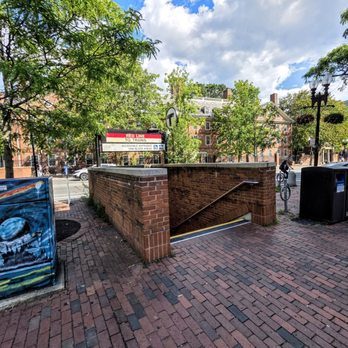
Rev. Zachariah Tringali boarded the Red Line at Harvard Square on Aug. 10. He reached Quincy more than two hours later, after signal breakdowns, crowded cars, and what he described as a car without working air conditioning. On Sept. 1, he sued the Massachusetts Bay Transportation Authority (MBTA) in U.S. District Court in Boston.

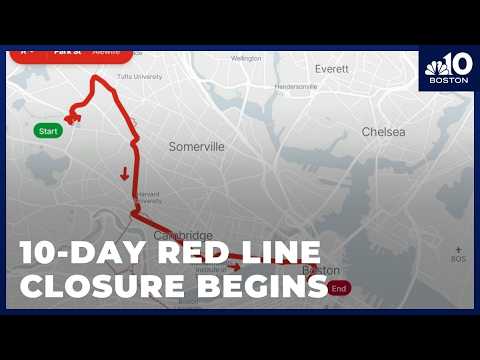
The ride came less than two weeks after the MBTA closed the Red Line between Alewife and Park Street for 10 days of track and signal work. The agency says closures like that are the price of fixing a system that has struggled with reliability for years. The lawsuit turns a familiar commuter complaint into a legal claim.

Why it matters

The lawsuit makes the MBTA's chronic Red Line failures a federal legal liability, not just a commute complaint.

Questions about this story

Free account needed to ask — your question is kept and asked for you right after sign-up. Answers are public.

No questions yet — be the first to ask.

Key Indicators

130 min
Tringali's Aug. 10 ride time
Harvard Square to Quincy on the Red Line, according to the lawsuit.
10 days
July Red Line closure
Alewife to Park Street was shut for track, signal, and repair work.
70 min
Shuttle bus time during closure
The MBTA told riders to budget 70 minutes from Alewife to Park Street, versus about 20 minutes normally.
3
Federal lawsuits filed by Tringali in 2026
Privacy suits against Ford and Flock, plus the MBTA case.

Voices

Curated perspectives — historical figures and your fellow readers.

Ever wondered what historical figures would say about today's headlines?

Sign up to generate historical perspectives on this story.

People Involved

Organizations Involved

Timeline

July 2026 September 2026

3 events Latest: September 1st, 2026 · 1 week ago
  1. Red Line signal breakdowns cause hours-long delays

    Service disruption

    A series of signal failures forces delays and shuttle bus service. Tringali's trip takes more than two hours.

  2. MBTA shuts Red Line between Alewife and Park Street

    Service disruption

    The 10-day closure replaces trains with shuttle buses for track, signal, and repair work.

Scenarios

1

Federal judge dismisses MBTA lawsuit

Likely Resolves by Mar 1, 2027

Discussed by: The MBTA's expected motion to dismiss

The MBTA moves to dismiss, arguing the complaint does not state a federal claim and transit delays are not a compensable injury. A judge grants the motion, ending the case before discovery.

2

MBTA settles with Tringali

Possible Resolves by Sep 1, 2027

Discussed by: The parties' court filings

The case survives early motions, and the MBTA agrees to settle rather than fight. The parties file a stipulation of dismissal with prejudice.

3

Red Line reliability improves as signal work wraps up

Possible Resolves by End of 2027

Discussed by: The MBTA's capital improvement plan

The MBTA finishes signal upgrades started with the July closure. Riders see fewer signal-related delays, and the agency reports on-time performance above 85% for three straight months.

Historical Context

2 moments from history that rhyme with this story — and how they unfolded.

January-March 2015

MBTA Snow Crisis (2015)

Back-to-back snowstorms buried Boston under more than 100 inches of snow. The MBTA's subway and commuter rail ground to a halt, stranding riders and forcing weeks of partial shutdowns. The agency's general manager resigned.

Then

Governor Charlie Baker created a fiscal control board, hired a new general manager, and began a long-term investment program.

Now

The crisis became shorthand for how deferred maintenance and underfunding can break a transit system.

Why this matters now

The same system now faces the consequences of that underfunding, with closures and signal failures on the Red Line.

June 2016-June 2017

Washington Metro SafeTrack (2016-2017)

The Washington Metropolitan Area Transit Authority, facing a safety review and years of deferred maintenance, launched SafeTrack, a year-long program of station closures, single-tracking, and overnight work. It was the largest repair effort in Metro's history.

Then

Riders endured longer waits and crowded trains for months.

Now

WMATA said the program reduced track-caused delays and improved safety after the work ended.

Why this matters now

It is the clearest recent example of a U.S. transit agency choosing short-term pain for long-term reliability, the same tradeoff the MBTA is making.

Sources

(4)