
Pull to refresh
Logo
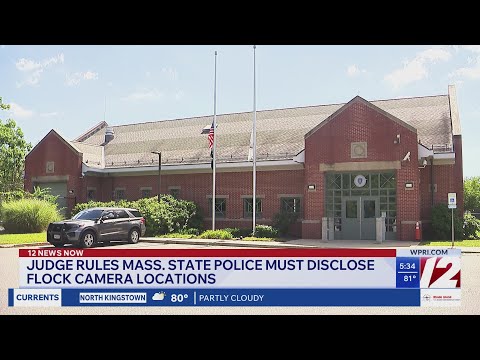
Massachusetts State Police must disclose license plate reader locations, judge rules

Massachusetts State Police must disclose license plate reader locations, judge rules

Rule Changes Boston, MA local

As State Police weighs appeal, more towns drop Flock cameras

September 3rd, 2026: Ruling publicized; State Police weighs appeal

Overview

Updated 5 days ago

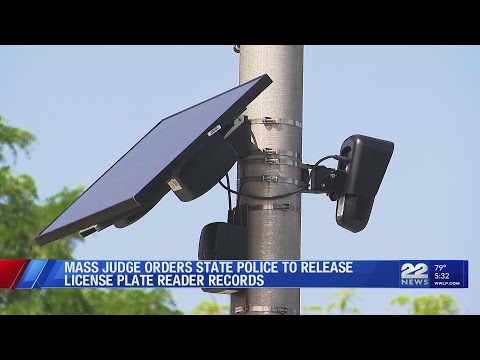
The Massachusetts State Police must tell the public where its automatic license plate reader cameras sit, a Suffolk Superior Court judge ruled September 2. The agency is reviewing the decision and weighing an appeal; it has 30 days from the judgment to file.

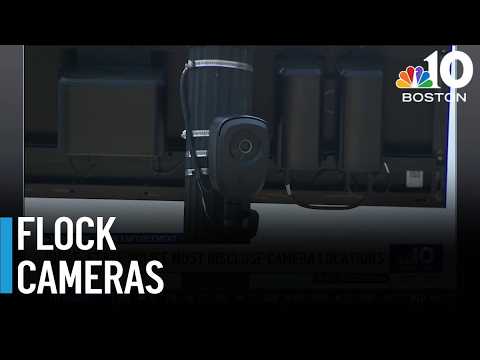
Municipal opposition keeps growing. Acushnet suspended its Flock Safety contract and Dartmouth ended its agreement, bringing the total of Massachusetts towns that have cancelled or paused Flock contracts to at least 27, per the ACLU. A Revere officer served a suspension for using the system to track an ex-girlfriend.

Why it matters

If it survives appeal, Massachusetts residents will finally learn where state police track their vehicles, and other states get a transparency template.

Questions about this story

Free account needed to ask — your question is kept and asked for you right after sign-up. Answers are public.

No questions yet — be the first to ask.

Key Indicators

27
Massachusetts municipalities that cancelled or paused Flock contracts
Acushnet suspended and Dartmouth ended contracts in early September, per ACLU tracking.
4
Officers probed for ALPR misuse
One Revere officer served a suspension and returned to duty.

Voices

Curated perspectives — historical figures and your fellow readers.

Ever wondered what historical figures would say about today's headlines?

Sign up to generate historical perspectives on this story.

People Involved

Organizations Involved

Timeline

2008 September 2026

10 events Latest: September 3rd, 2026 · 1 week ago
Tap a bar to jump to that date
  1. Acushnet Suspends Flock; Dartmouth Ends Contract

    Municipal action

    Acushnet's select board voted to suspend the police department's Flock camera use pending contract review. Dartmouth's police chief said the town will not renew its Flock contract after nearly three years.

  2. Boston Police Quietly Using Two ALPR Vendors

    Disclosure

    The Boston Globe reported that Boston police use license plate reader cameras from two vendors, including Flock Safety and Motorola Solutions. The disclosure adds to statewide scrutiny of the technology.

  3. ACLU files public records request

    Public records

    After the SJC ruling, ACLU requests ALPR camera locations and audit logs from State Police.

  4. ALPR technology deployed in Massachusetts

    Deployment

    Automatic license plate reader cameras enter use across the state's roadways.

Scenarios

1

State Police appeals ruling to higher court

Likely Resolves by Nov 30, 2026

Discussed by: NBC Boston, Boston Globe, ACLU of Massachusetts

Massachusetts State Police said it is reviewing the decision. A notice of appeal in Massachusetts civil cases must be filed within 30 days of judgment. If the agency appeals, the disclosure order would be stayed until the Appeals Court or Supreme Judicial Court rules, extending the fight by months or years.

2

Records released, audit logs show widespread database searches

Possible Resolves by Q2 2027

Discussed by: ACLU of Massachusetts

If the ruling stands and no appeal is filed, MSP must release camera locations and redacted audit logs showing when, why, and how often troopers search the ALPR database. The disclosures could fuel more municipal opt-outs and new oversight demands from legislators.

3

Legislature passes statewide ALPR transparency law

Possible Resolves by Jan 1, 2028

Discussed by: Community organizers, municipal officials, ACLU of Massachusetts

With 25 towns cancelling Flock contracts and ongoing misuse investigations, lawmakers could codify transparency requirements: mandatory disclosure of camera locations, audit trail requirements, and limits on database access. Such a law would apply to all Massachusetts police departments, not just State Police.

Historical Context

2 moments from history that rhyme with this story — and how they unfolded.

June 2011 – 2015

Stingray cell-site simulator secrecy (2011–2015)

Police departments across the U.S. used Stingray devices, which impersonate cell towers to capture phone locations and data. The FBI required agencies to sign nondisclosure agreements, keeping the technology secret even from judges and the public. ACLU affiliates filed records requests and lawsuits to uncover basic facts about the devices.

Then

Records disclosures forced several departments to release policies and admit Stingray use. Some states passed laws requiring warrants.

Now

Stingray secrecy became a template for the broader fight over police surveillance transparency, prompting courts and legislatures to demand disclosure of automated tracking tools.

Why this matters now

Like ALPR cameras today, Stingrays were a police surveillance technology whose basic parameters were hidden from the public until litigation forced disclosure.

June 2018

Carpenter v. United States (2018)

The Supreme Court ruled 5-4 that the government needs a warrant to access months of cell-site location records from a wireless carrier. Chief Justice John Roberts wrote that such records give police an all-encompassing view of a person's movements.

Then

Police must obtain a warrant for cell-site location records, a major privacy win.

Now

Courts have extended the reasoning to other location-tracking technologies, including GPS and some camera networks.

Why this matters now

The 2020 Massachusetts SJC ruling the ACLU relies on drew on Carpenter's logic about accumulated location data.

Sources

(9)