
Pull to refresh
Logo
South Boston developer shrinks D Street apartment plan after zoning rejection

South Boston developer shrinks D Street apartment plan after zoning rejection

Built World Boston, MA local

Sing Ming Chan filed a revised plan on Nov. 3, 2026: 60 units, seven stories and 34 stacker parking spaces. Comment closes Dec. 3.

Overview

Updated 5 days ago

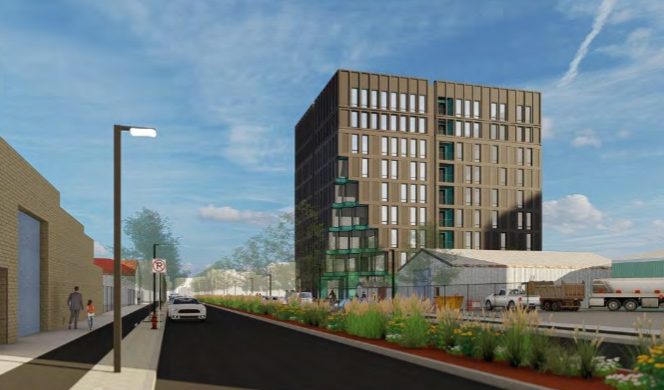
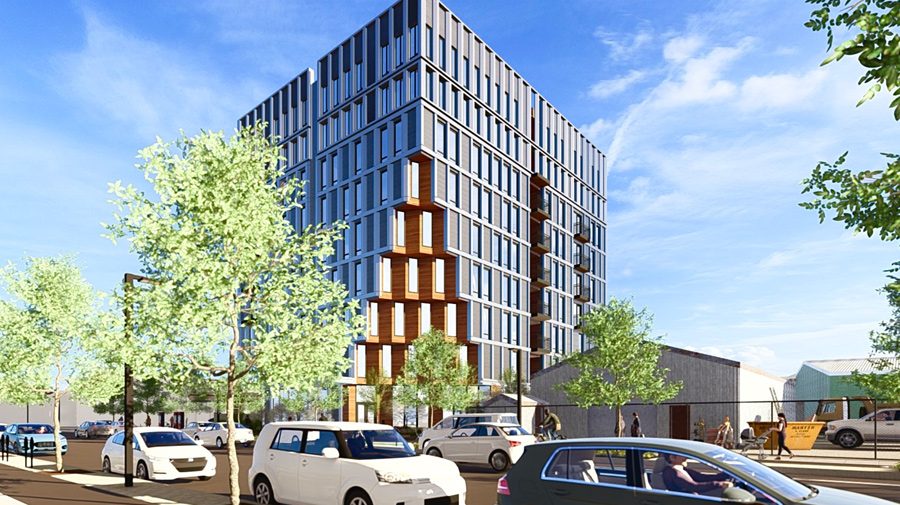
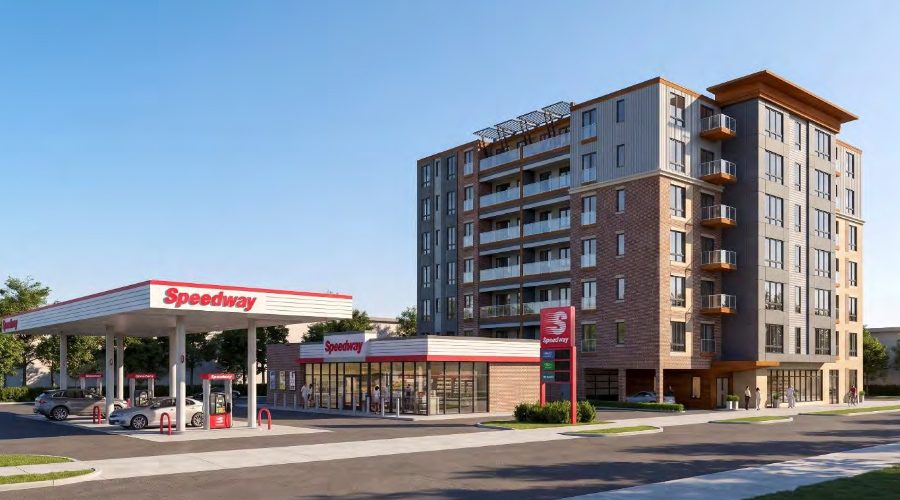
Sing Ming Chan filed a revised plan for 49-51 D Street in South Boston on Nov. 3, 2026: 60 apartments instead of 70, seven stories instead of nine, and 34 parking spaces instead of none. The change came about 18 months after the Zoning Board of Appeal rejected his first, no-parking design.

The new filing with the Boston Planning Department adds about 1,100 square feet of ground-floor retail and stores cars in an automated stacker that moves them through the basement and part of the ground floor. Public comment runs through Dec. 3. Even if planners approve, 34 spaces would still fall short of the lot's zoning parking requirement, so the project would face another Zoning Board hearing, where a proposed rooftop deck could draw opposition from City Councilor Ed Flynn.

Why it matters

The revised D Street plan tests whether Boston can add housing near transit when neighbors demand parking, a trade-off facing every growing city.

Last Monday's email for Boston, MA

Sent Nov 9. It carried:

Get next Monday's: one short email a week. Free. Unsubscribe in one click.

Questions about this story

Free account needed to ask — your question is kept and asked for you right after sign-up. Answers are public.

No questions yet — be the first to ask.

Key Indicators

70
Units in rejected plan
The Zoning Board of Appeal rejected the nine-story, no-parking proposal on April 29, 2025.
60
Units in revised plan
The new proposal is seven stories with 34 parking spaces.
34
Parking spaces in revised plan
Cars would be stored in an automated stacker system.
5-2
Zoning Board vote to reject first plan
The board voted 5-2 on April 29, 2025.
Dec. 3
Public comment deadline
Comments on the notice of project change close Dec. 3, 2026.

Voices

Curated perspectives — historical figures and your fellow readers.

Sign up to generate historical perspectives on this story.

People Involved

Organizations Involved

Timeline

November 2024 November 2026

3 events Latest: November 3rd, 2026 · 1 week ago
  1. Developer files revised 60-unit plan

    Latest Filing

    Sing Ming Chan's notice of project change proposes a seven-story, 60-unit building with 34 parking spaces in an automated stacker and about 1,100 square feet of ground-floor retail.

  2. Zoning Board rejects 70-unit plan

    Zoning decision

    The board voted 5-2 to reject the no-parking building after neighbors and Rep. Stephen Lynch objected.

  3. Planning department approves 70-unit no-parking plan

    Approval

    The Boston Planning Department approved Sing Ming Chan's nine-story, 70-unit proposal at 49 D St.

Scenarios

1

Revised D Street plan wins zoning approval

Possible Resolves by End of 2027

Discussed by: Local housing advocates and the developer's attorney

The new plan adds 34 parking spaces and cuts 10 units, addressing the ZBA's stated concern. If the board accepts the trade-off, construction could begin after building permits.

2

ZBA rejects revised plan despite parking

Possible Resolves by End of 2027

Discussed by: Neighborhood opponents and zoning observers

Neighbors could still object to the building's height, traffic, or automated parking system. A second rejection would force another redesign or a lawsuit.

3

Developer scales back further or sells the site

Unlikely Resolves by Q2 2028

Discussed by: Real estate analysts

If the revised plan stalls, Chan could cut more units, drop the project, or sell the parcel. The site currently holds a two-story industrial building and surface parking.

Historical Context

2 moments from history that rhyme with this story — and how they unfolded.

September 2022

California eliminates parking minimums near transit (2022)

California enacted AB 2097, which bars local governments from requiring parking for new residential and commercial projects within half a mile of major transit stops. The law aimed to lower construction costs and encourage transit use.

Then

Some cities adjusted local rules; developers began testing projects with less parking.

Now

The law became a national model for parking reform, though local opposition to dense, low-parking projects continued.

Why this matters now

Boston's D Street fight shows the same tension: a transit-adjacent site where neighbors still demand parking.

December 2018

Minneapolis ends single-family zoning (2018)

The Minneapolis City Council approved the 2040 Comprehensive Plan, which ended single-family-only zoning and allowed duplexes and triplexes in most neighborhoods. The plan was meant to add housing and address segregation.

Then

The plan passed after years of debate and faced a lawsuit over its environmental review.

Now

Minneapolis became a reference point for citywide upzoning, with other cities copying parts of the plan.

Why this matters now

It shows how citywide housing goals run into block-level concerns about parking, traffic, and neighborhood character.

Sources

(6)