
2018-2022
Seattle's RapidRide H Line (2022)
Seattle spent about $100 million redesigning a 3.5-mile corridor on Delridge Way with center-running bus lanes, new stations, and signal priority, following years of community meetings where parking and business access were the most contested issues.
Then
Bus travel times dropped by roughly 20% after opening, and ridership grew despite the pandemic.
Now
The corridor became a model for city-run bus rapid transit outside dedicated BRT systems, showing that center bus lanes can work alongside retail streets.
Why this matters now
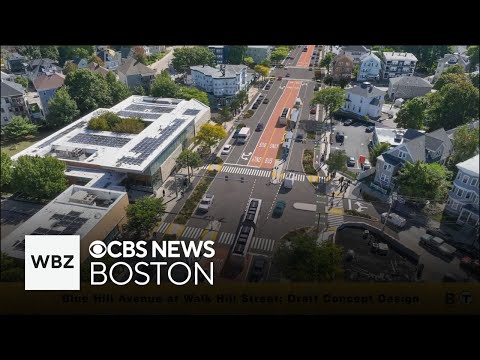
Seattle's experience demonstrates the tradeoff Boston faces: center bus lanes deliver measurable speed gains, but only if the city resists pressure to let cars reclaim the space. Boston's smaller bike allocation mirrors similar compromises elsewhere.