


Pull to refresh
Logo
MBTA shifts from piecemeal repairs to prolonged shutdowns

MBTA shifts from piecemeal repairs to prolonged shutdowns

Built World Boston, MA local

Boston subway riders face months of closures as the T races to clear years of deferred maintenance

2 days ago: Orange Line closes Forest Hills to Back Bay for 5 days

Overview

Updated Sep 3

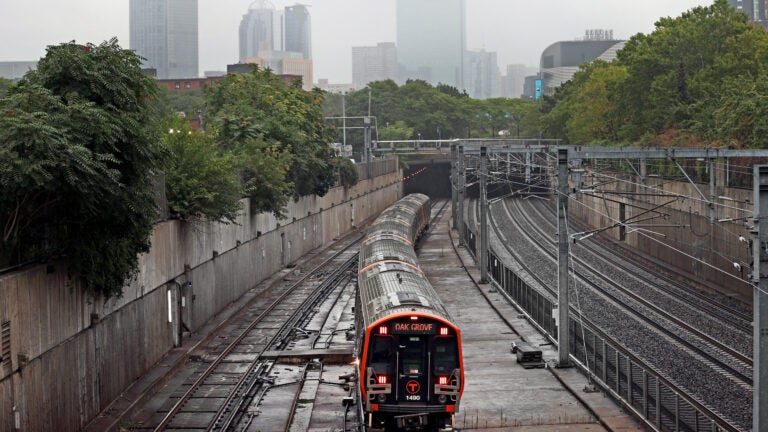
Boston's subway riders have spent two months watching one line after another go dark. The Massachusetts Bay Transportation Authority (MBTA) closed part of the Red Line in July, then the Green, then the Orange, each for days or weeks. The closures replace night-and-weekend repairs with concentrated bursts meant to clear a $25 billion maintenance backlog.

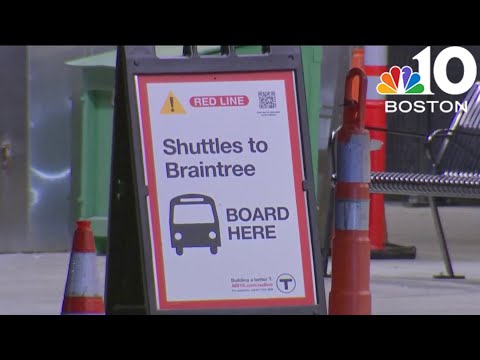
The strategy bets riders will tolerate months of disruption now to avoid slow, unreliable service for years. Commuters are walking miles, riding shuttle buses that clog city streets, or working from home. Early results show faster trains and fewer slow zones, but more closures are planned through 2027.

Why it matters

Boston riders face months of disrupted commutes, and the outcome decides whether the region's aging subway becomes reliable or decays further.

Questions about this story

Free account needed to ask — your question is kept and asked for you right after sign-up. Answers are public.

No questions yet — be the first to ask.

Key Indicators

$25B
Estimated repair backlog
Total cost of deferred maintenance and improvements across the MBTA system.
78 days
Green Line shutdown days through August 2026
Days the Green Line was scheduled to be closed in 2026 through August, per TransitMatters data.
55 mph
Orange Line speed after track work
Speed trains can reach after the current shutdown work completes.
15%
Green Line signal cabling installed
Share of new signal cabling completed on the Green Line, leaving much more work ahead.

Voices

Curated perspectives — historical figures and your fellow readers.

Ever wondered what historical figures would say about today's headlines?

Sign up to generate historical perspectives on this story.

People Involved

Organizations Involved

Timeline

April 2023 September 2026

8 events Latest: 2 days ago
Tap a bar to jump to that date
  1. Green Line nine-day shutdown starts

    Upcoming Service Disruption

    First of two nine-day closures for signal system upgrades, more scheduled into November.

  2. Orange Line closes Forest Hills to Back Bay for 5 days

    Latest Service Disruption

    Continued Ruggles Station improvements project work, with free commuter rail along the corridor.

  3. Boston.com reports on parade of shutdowns

    Report

    Boston Globe story details rider frustration and the T's $25 billion maintenance backlog strategy.

  4. Orange Line shuts down Oak Grove to Back Bay for 11 days

    Service Disruption

    Extended closure for track work and signal upgrades, with shuttle buses and free commuter rail alternatives.

  5. Red Line shutdowns begin after World Cup

    Service Disruption

    MBTA starts slate of improvement projects closing part of Red Line in July's relative quiet.

  6. Symphony Station closes for 3-year renovation

    Construction

    Green Line E Branch station shuts for accessibility upgrades and four new elevators until May 2029.

  7. Slow zone elimination program launches

    Program Start

    MBTA begins accelerated track work to eliminate speed restrictions across all subway lines.

  8. Phil Eng becomes MBTA general manager

    Leadership

    Eng arrives from New York's Long Island Rail Road, inheriting a system under federal safety oversight.

Scenarios

1

Shutdown pace continues into 2027

Likely Resolves by Q2 2027

Discussed by: MBTA spokesperson Lisa Battiston, who said more outages are 'likely' in 2027

With only 15% of Green Line signal cabling installed and a $25 billion backlog, the T has plenty of work left. Officials have already said more shutdowns will come in 2027 to prepare for new train cars. Riders face another year of disruption.

2

Accelerated program delivers, service normalizes

Possible Resolves by End of 2027

Discussed by: MBTA COO Ryan Coholan and board member Mary Skelton Roberts

The prolonged shutdowns finish the bulk of the work by end of 2026. Slow zones stay eliminated, trains run at higher speeds, and the T returns to routine maintenance. This outcome validates the strategy as a worthwhile tradeoff.

3

Political backlash forces schedule changes

Unlikely Resolves by Jul 1, 2027

Discussed by: Boston Globe coverage of rider frustration; transit advocates

Rider outcry grows loud enough that the Massachusetts legislature or governor pressures the MBTA board to cap shutdown lengths or require longer notice periods. The T reverts to more piecemeal work, slowing the catch-up program.

Historical Context

3 moments from history that rhyme with this story — and how they unfolded.

January – March 2015

MBTA Winter Crisis (2015)

Record snowfall crippled the MBTA, causing days of suspended service and stranding thousands of riders. The system's aging infrastructure and poor snow-fighting equipment were blamed.

Then

Governor Charlie Baker formed a review panel, which recommended major capital investment in the T.

Now

The crisis exposed years of underinvestment, leading to some funding increases but not enough to prevent the current maintenance backlog.

Why this matters now

Shows how deferred maintenance compounds: underinvestment today turns ordinary shocks into system failures later.

June 2016 – June 2017

DC Metro SafeTrack (2016)

Washington's Metro launched SafeTrack, a 16-month program of extended single-tracking and weekend shutdowns to fix a track repair backlog. It followed deadly smoke incidents and years of deferred maintenance.

Then

SafeTrack disrupted riders for over a year but completed in June 2017, addressing more than 1,000 track-related defects.

Now

Metro's reliability improved, though financial troubles continued. SafeTrack is now seen as a model for aggressive catch-up maintenance.

Why this matters now

Direct comparable to the MBTA's prolonged shutdowns, showing how one agency's painful year produced lasting reliability gains.

June 2017 – 2020

NYC Subway State of Emergency (2017)

Governor Andrew Cuomo declared a state of emergency after a series of derailments and signal failures on the New York City subway. New transit chief Andy Byford launched a catch-up program with frequent night and weekend closures.

Then

The emergency declaration freed funding, and Byford's program improved on-time performance and reliability by 2020.

Now

Byford resigned in 2020 over a funding dispute. Many ambitious projects remain unfinished, showing how political support can falter.

Why this matters now

Shows the promise and fragility of a catch-up maintenance strategy driven by a new transit chief facing a huge backlog.

Sources

(3)