

Pull to refresh
Logo
Boston approves grant to nearly triple e-bike share of Bluebikes fleet

Boston approves grant to nearly triple e-bike share of Bluebikes fleet

Built World Boston, MA local

Council votes 10-2 to accept $3.25 million through the regional planning agency for 887 e-bikes and 434 batteries

Overview

Updated Oct 24

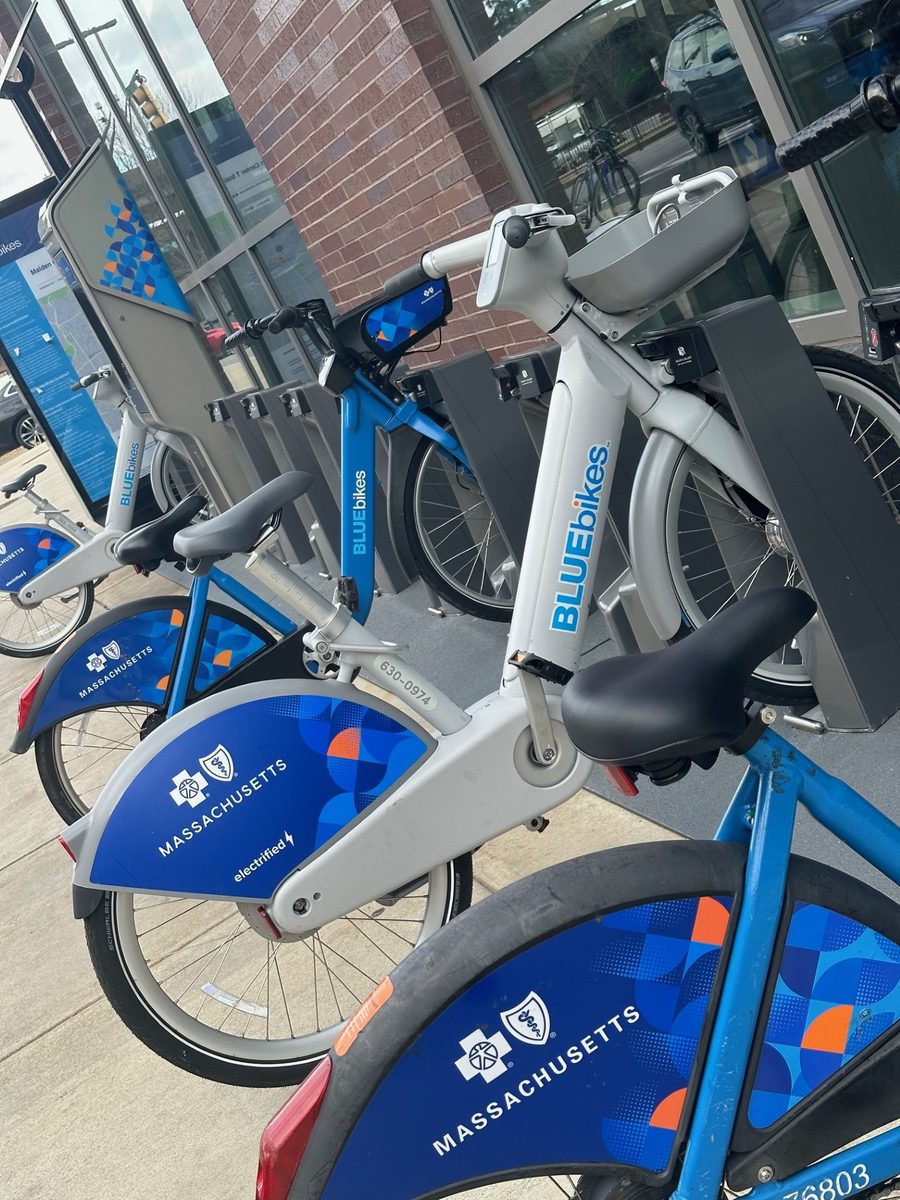
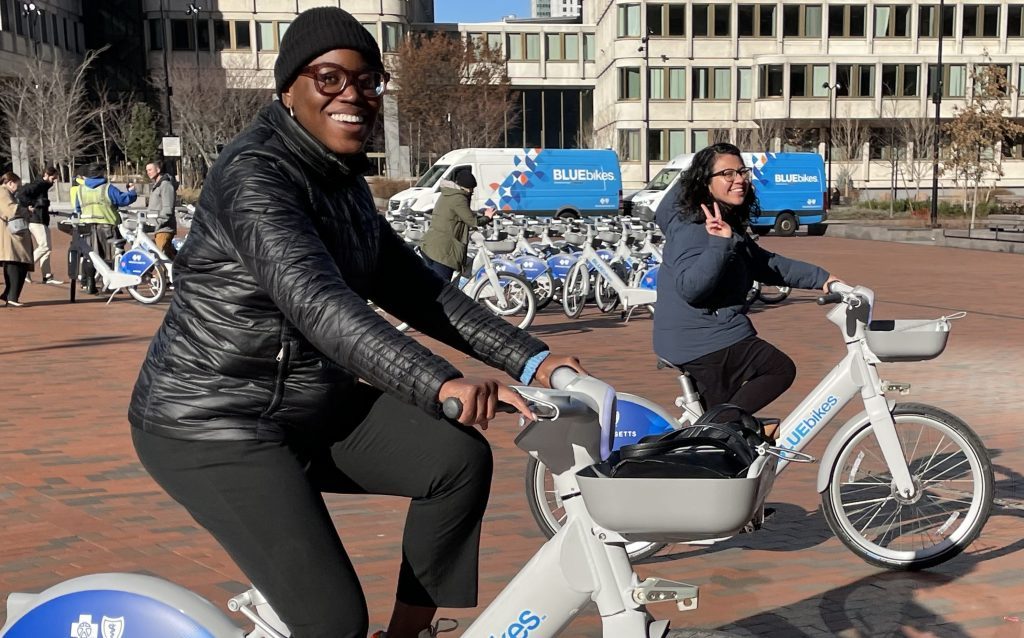
Boston's City Council voted 10-2 on Oct. 21 to accept $3.25 million from the regional planning agency for 887 battery-assisted Bluebikes and 434 spare batteries. The purchase would raise the electric share of Boston's fleet from about 12% to 33%, a target all 13 Bluebikes municipalities have agreed to meet.

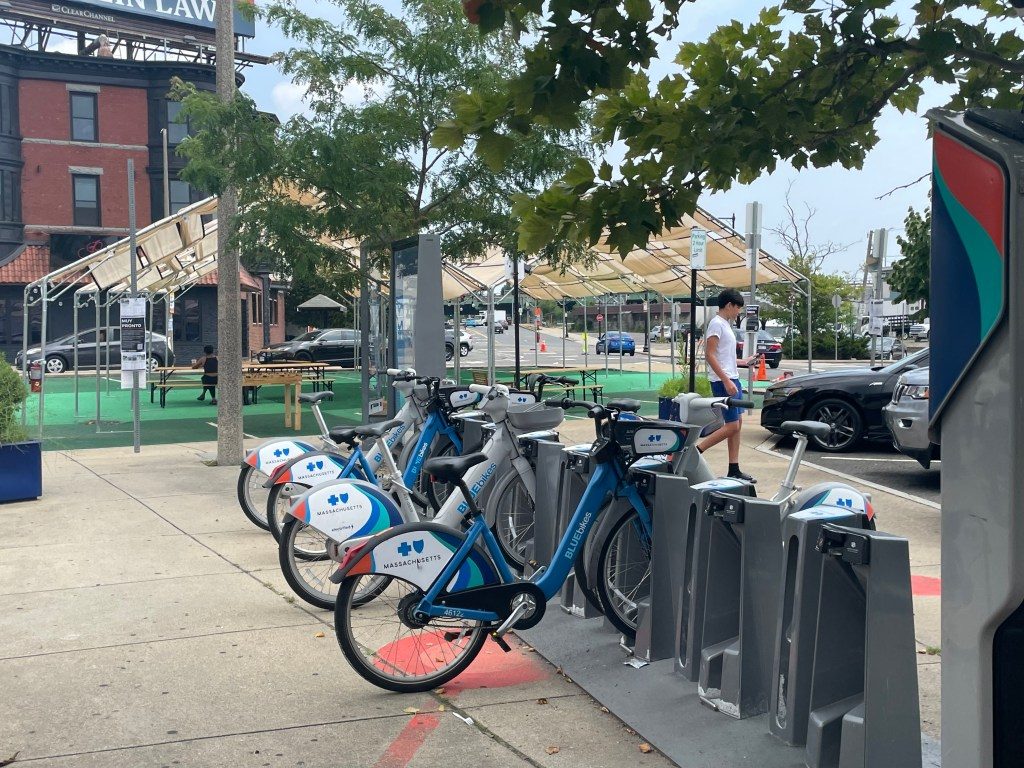
Charging is the constraint. Docks cannot recharge e-bikes, so workers swap drained batteries by hand, and the grant also pays to electrify more kiosks so bikes charge where they park. E-bikes were 13% of the fleet in 2024 but took 25% of rides, and in Mattapan and southern Dorchester they now account for more than half of trips.

Why it matters

E-bikes are Bluebikes' fastest-growing segment; this grant nearly triples Boston's e-bike share and tackles the charging bottleneck that limits availability.

Last Monday's email for Boston, MA

Sent Nov 9. It carried:

Get next Monday's: one short email a week. Free. Unsubscribe in one click.

Questions about this story

Free account needed to ask — your question is kept and asked for you right after sign-up. Answers are public.

No questions yet — be the first to ask.

Key Indicators

887
New e-bikes approved
Battery-assisted bikes the grant will buy for Boston's Bluebikes fleet.
434
Replacement batteries
Swappable batteries to keep existing e-bikes riding while docks are electrified.
33%
Boston's e-bike share after deployment
Up from about 12%; the same target was set by all 13 Bluebikes municipalities.
$3.25M
Grant approved by City Council
Docket #1883, from the Boston Region MPO's FY26 surplus program, awarded through MAPC. Approved 10-2.

Voices

Curated perspectives — historical figures and your fellow readers.

Sign up to generate historical perspectives on this story.

People Involved

Organizations Involved

Timeline

December 2023 October 2026

4 events Latest: October 21st, 2026 · 3 weeks ago
Tap a bar to jump to that date
  1. Boston Council approves grant for 887 e-bikes

    Latest Funding

    City Council votes 10-2 to accept $3,250,220 for 887 e-bikes and 434 batteries, lifting Boston's e-bike share to 33%. Councilors Ed Flynn and Erin Murphy vote no.

  2. Bluebikes municipalities sign five-year contract with Lyft

    Contract

    The new operating contract adds e-bikes and the network's first charging stations, plans more than 200 new and replacement stations, and drops monthly operations fees for member municipalities.

  3. Region wins $21.6M LINKUP Greater Boston award

    Funding

    The award includes about $11.5M from the Federal Highway Administration's Congestion Relief Program for five free shuttle routes and about $10M to expand Bluebikes and e-bike access.

  4. Bluebikes launches pedal-assist e-bikes

    Launch

    Bluebikes first deploys pedal-assist electric bikes, which quickly grow popular with riders.

Scenarios

1

E-bikes reach a third of Boston's Bluebikes fleet on schedule

Likely Resolves by Q2 2028

Discussed by: Boston City Council grant report; MAPC congestion relief program documents

Procurement runs smoothly. The 887 new e-bikes and 434 batteries hit docks by late 2027, pushing Boston's e-bike share to 33%. More kiosks get electrified, cutting manual battery-swap labor, and e-bike trip share grows past the one-third it already commands.

2

Charging buildout lags, manual battery swaps continue

Possible Resolves by Q2 2028

Discussed by: Eric Bourassa (MAPC); Streetsblog Massachusetts coverage

Electrifying kiosks requires permits, utility connections, and construction, all of which can slip. If fewer than the planned docks get power, the network keeps relying on labor-intensive battery swaps, raising operating costs and leaving some e-bikes out of service. The bikes may arrive on time but underperform.

3

Expansion stalls on permitting or cost overruns

Unlikely Resolves by Q2 2028

Discussed by: Previous Boston-area infrastructure grant reports

Street-level installation and utility work can face permitting delays and cost overruns. If the e-bike procurement or kiosk electrification exceeds the $3.3 million or hits red tape, the city or MAPC might announce delays, scale-backs, or a request for more funding.

Historical Context

3 moments from history that rhyme with this story — and how they unfolded.

2018–2020

Citi Bike e-bike rollout and recall (2018–2020)

New York's Citi Bike introduced pedal-assist e-bikes in 2018, then Lyft recalled all of them in April 2019 after brake failures. A redesigned model returned in 2020, and e-bikes eventually became the majority of Citi Bike trips.

Then

Months without e-bikes while the design was fixed.

Now

E-bikes became the core of Citi Bike and now drive most of its ridership, proving heavy investment in assisted bikes pays off.

Why this matters now

The US's largest bikeshare went through a rough e-bike start before succeeding, suggesting Boston's transition, too, will hinge on reliability and charging logistics.

2022

London Santander Cycles adds e-bikes (2022)

Transport for London added pedal-assist e-bikes to its docked Santander Cycles fleet, starting with about 400 bikes, to make the hire scheme usable on hills and longer trips.

Then

E-bikes proved immediately popular, and TfL expanded the fleet.

Now

The docked operator model now sustains paid e-bike trips alongside classic bikes.

Why this matters now

A docked system like Boston's integrating e-bikes shows how assisted bikes expand who can use the network.

2018

Paris Vélib' operator transition (2018)

Paris re-awarded its Vélib' bike-share contract to Smovengo in January 2018. Software, docking, and billing failures left thousands of bikes unavailable for months and sparked complaints and lawsuits.

Then

Severe service disruptions and rider frustration.

Now

The episode became a cautionary tale about scaling bike-share infrastructure too fast.

Why this matters now

Boston's expansion is smaller and dock-based, but the Vélib' experience shows operational breakdowns can sink even well-funded bike-share programs.

Sources

(7)