
Pull to refresh
Logo
Boston seeks vendors for school bus stop-arm camera program

Boston seeks vendors for school bus stop-arm camera program

Rule Changes Boston, MA local

Bids closed Oct. 30 for a 25-bus pilot that would warn drivers before it fines them

Overview

Updated 6 days ago

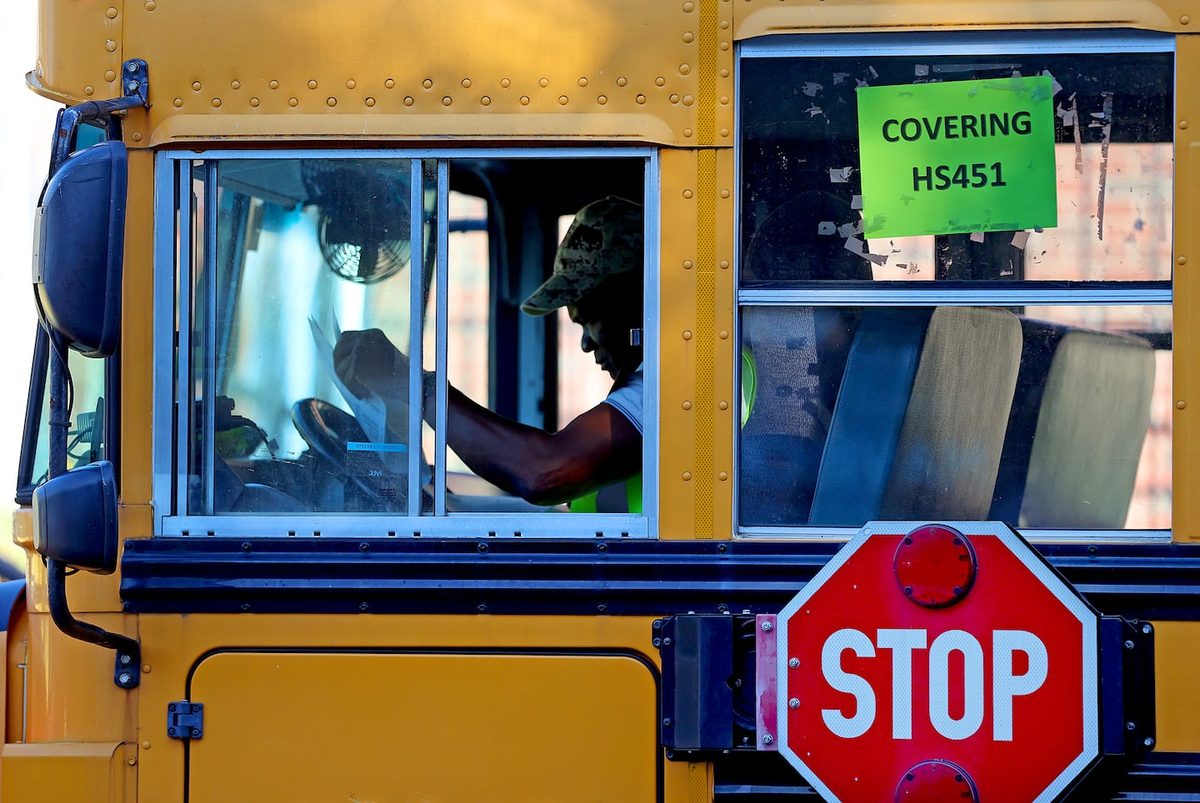
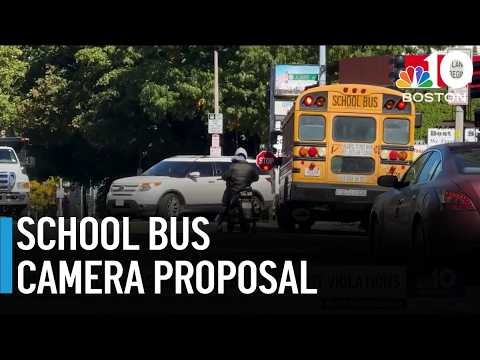
Boston's bid window for a school bus stop-arm camera contractor closed Oct. 30 at 1 p.m., and the city has not publicly named a vendor. The contract covers a three-month pilot on 25 buses that would send warning letters before any fines.

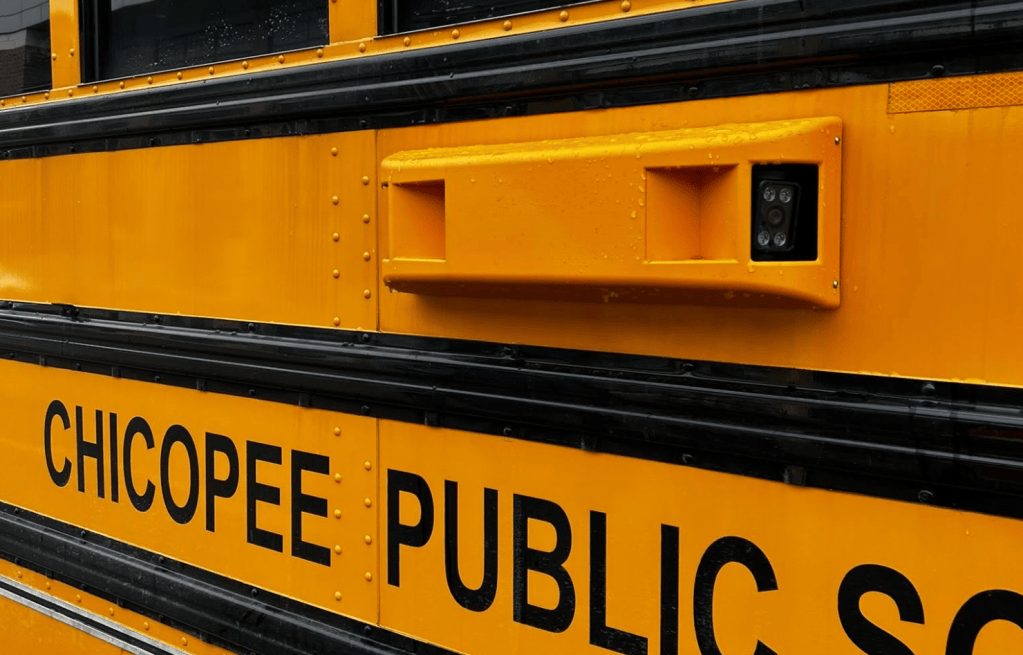
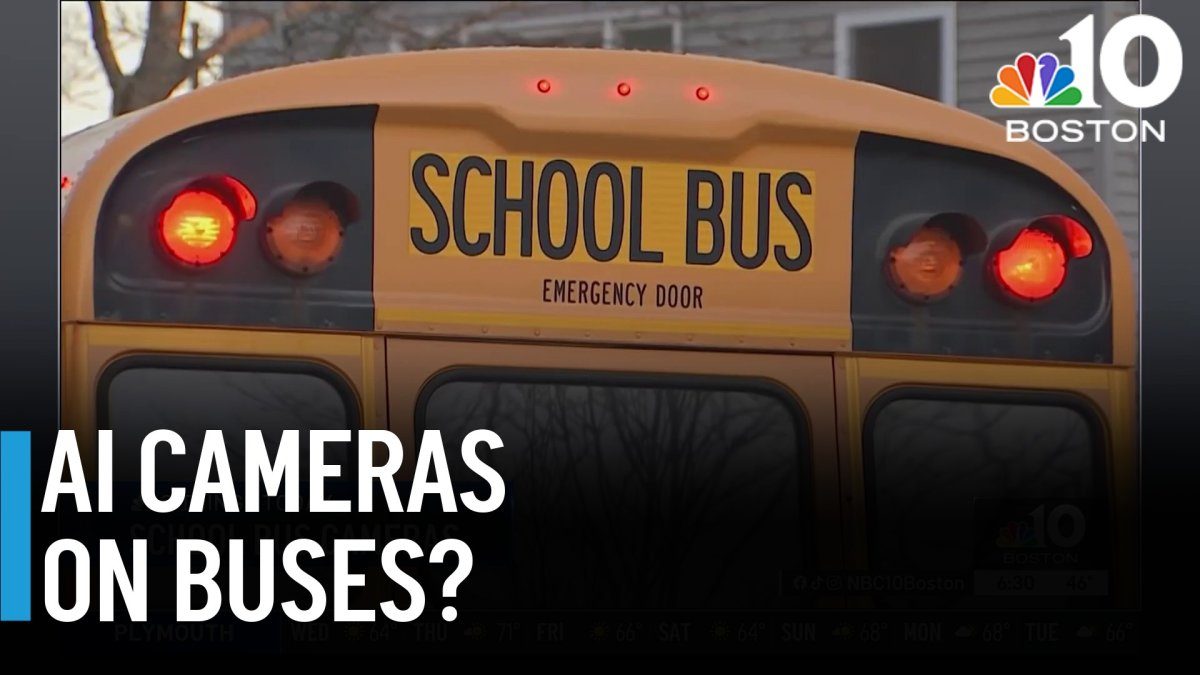
Cameras switch on only when a bus's stop arm extends, and software reads the plate of a passing car. Boston police review each case before a citation goes out. The City Council adopted the state law allowing the cameras in 2025, and Peabody, Chicopee, Pittsfield and Quincy have run programs of their own.

Why it matters

Children step into the street when a bus's stop arm extends; the cameras are meant to make drivers actually stop.

Last Monday's email for Boston, MA

Sent Nov 9. It carried:

Get next Monday's: one short email a week. Free. Unsubscribe in one click.

Questions about this story

Free account needed to ask — your question is kept and asked for you right after sign-up. Answers are public.

No questions yet — be the first to ask.

Key Indicators

25
Buses in pilot
Cameras will be installed on 25 buses during the three-month test phase.
$250
First-offense fine
State law sets the penalty for passing a stopped school bus; city officials have not said what they will charge per violation.
4
Massachusetts cities with camera programs or pilots
Peabody, Pittsfield, Chicopee and Quincy have run school bus camera programs or pilots.

Voices

Curated perspectives — historical figures and your fellow readers.

Sign up to generate historical perspectives on this story.

People Involved

Organizations Involved

Timeline

2025 October 2026

7 events Latest: October 30th, 2026 · 1 week ago
Tap a bar to jump to that date
  1. Bid window closes for Boston school bus camera contract

    Latest Procurement

    Proposals for the AI-enabled stop-arm camera program were due at 1 p.m. Boston time. The city had not publicly announced a vendor as of Nov. 5.

  2. Boston posts RFP for school bus cameras

    Procurement

    Boston Public Schools and City Hall post a request for proposals (EV00018035) for an AI-enabled stop-arm camera system, with a pilot on 25 buses planned. Bids are due Oct. 30.

  3. Peabody expands bus cameras to its whole fleet

    Program expansion

    Peabody said it would put stop-arm cameras on all of its school buses and start issuing tickets, after a pilot recorded hundreds of violations in 30 days.

  4. Quincy starts its own school bus camera program

    Program launch

    Quincy begins issuing fines through its school bus camera system.

  5. Chicopee launches first school bus camera program

    Program launch

    Chicopee becomes the first Massachusetts city to use cameras to fine drivers who pass stopped buses.

  6. Massachusetts signs school bus camera law

    Legislation

    Governor Maura Healey signs a law allowing cities to use cameras to fine drivers who illegally pass stopped school buses.

  7. Boston City Council adopts state school bus camera law

    Legislation

    The Council voted in 2025 to adopt the Massachusetts laws that let Boston install school bus violation detection systems, according to the text of the city ordinance.

Scenarios

1

Boston expands school bus cameras to full fleet, begins issuing fines

Likely Resolves by Sep 1, 2027

Discussed by: City officials and Streetsblog

The three-month pilot on 25 buses runs smoothly, with warning letters generating public awareness. After the pilot, the city expands cameras to more buses and starts issuing $250 fines for first offenses. Revenue from fines covers program costs, and the program becomes permanent.

2

Pilot faces delays, program stalls

Possible Resolves by Q2 2027

Discussed by: NBC Boston, city council hearing schedule

Vendor selection takes longer than expected, or technical issues arise during the pilot. The city delays the transition to fines, and the program remains in warning-only mode past the original timeline. Public support wanes, and the program is scaled back or postponed.

3

Legal challenge halts camera enforcement

Unlikely Resolves by End of 2027

Discussed by: Privacy advocates, civil liberties groups

A lawsuit challenges the camera program on privacy grounds, arguing that automated enforcement violates due process or state surveillance laws. A court issues an injunction preventing the city from issuing fines, stalling the program until the case is resolved.

Historical Context

2 moments from history that rhyme with this story — and how they unfolded.

January 2026 – present

New Haven, CT school bus camera program (2026)

New Haven, Connecticut launched a school bus camera program on January 30, 2026. Within months, the city reported over 900 violations, showing the scale of illegal passing and the effectiveness of automated enforcement.

Then

The program generated significant fine revenue and raised awareness about school bus safety.

Now

It provided a model for other cities, including Boston, to adopt similar camera systems.

Why this matters now

New Haven's experience demonstrates that school bus cameras can quickly identify thousands of violations, supporting the case for Boston's pilot.

1990s

Red-light camera adoption in the 1990s

Many US cities began installing red-light cameras to catch drivers running red lights. The technology faced legal challenges over privacy and due process, but courts generally upheld it, and the cameras became widespread.

Then

Early programs in cities like San Diego and New York faced lawsuits but continued operating.

Now

Red-light cameras are now common across the US, establishing a legal and public-acceptance precedent for automated traffic enforcement.

Why this matters now

The red-light camera history shows that automated enforcement can overcome legal hurdles and gain public acceptance, a pattern Boston's school bus cameras may follow.

Sources

(12)