
Pull to refresh
Logo
Massachusetts utilities sue Hydro-Québec over winter power cutoff

Massachusetts utilities sue Hydro-Québec over winter power cutoff

Rule Changes Boston, MA local

New transmission line shut off eight days after going live during a cold snap

3 days ago: Utilities sue Hydro-Québec

Overview

Updated 3 days ago

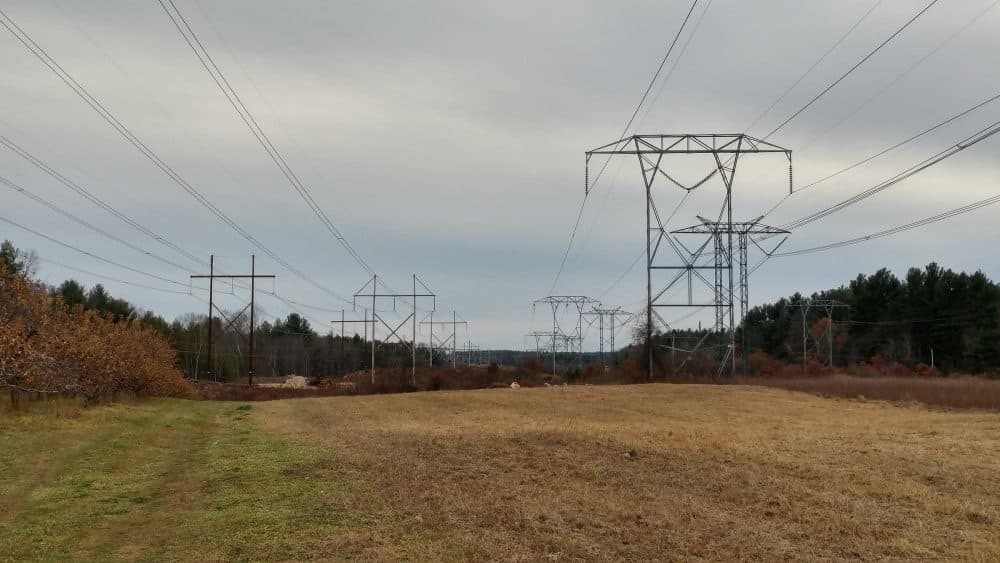
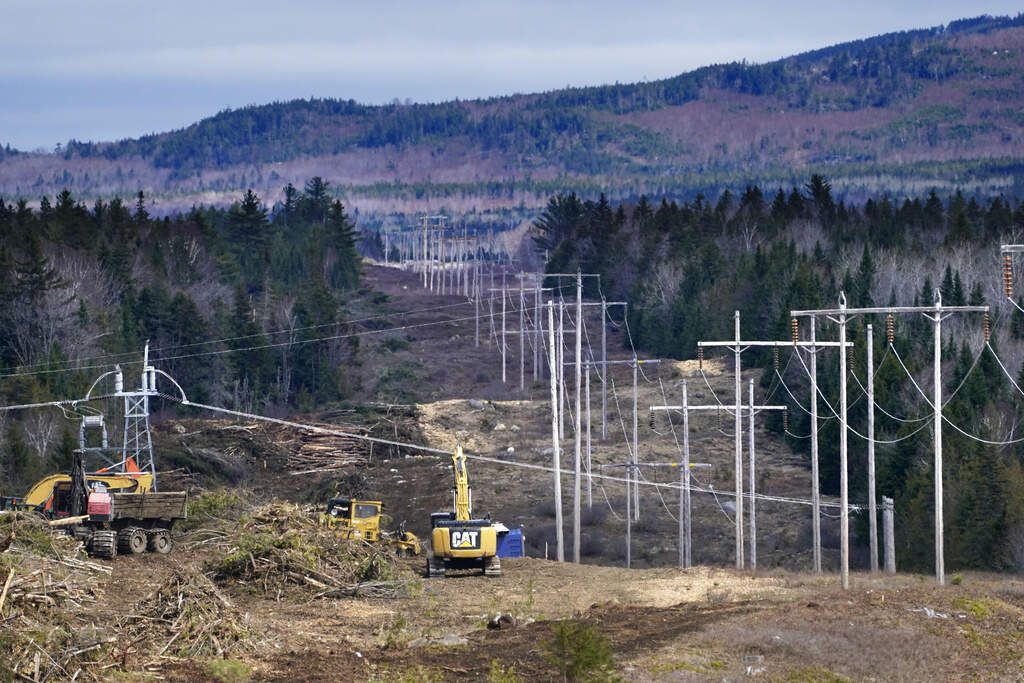
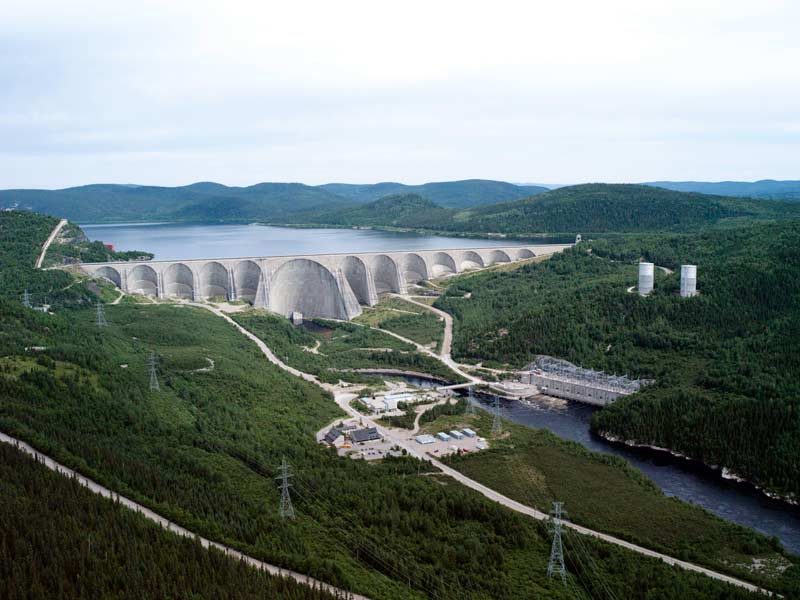
Eight days after a new transmission line began carrying Quebec hydropower into Massachusetts, Hydro-Québec shut it off. A cold snap had hit eastern North America, and Quebec chose to keep its own lights on first.

Eversource, National Grid, and Unitil filed a breach-of-contract suit in Boston federal court on September 9, seeking to recover $40 million they spent on dirtier replacement power. The case turns on whether a Quebec winter cold snap counts as force majeure. If Hydro-Québec wins, New England's plan to lean on imported hydropower has a hole in it.

Why it matters

If Hydro-Québec can cut exports whenever Quebec gets cold, New England's clean-energy plan rests on a switch Quebec controls.

Questions about this story

Free account needed to ask — your question is kept and asked for you right after sign-up. Answers are public.

No questions yet — be the first to ask.

Key Indicators

$40M
Cost of replacement power
What the utilities spent on dirtier power during the Hydro-Québec cutoff.
8 days
Line active before cutoff
Time between the new transmission line going live and Hydro-Québec shutting it off.
1,200 MW
Transmission line capacity
Capacity of the NECEC line bringing Quebec hydropower to New England.
3
Utilities suing
Eversource, National Grid, and Unitil filed the breach-of-contract suit.

Voices

Curated perspectives — historical figures and your fellow readers.

Ever wondered what historical figures would say about today's headlines?

Sign up to generate historical perspectives on this story.

People Involved

Organizations Involved

Timeline

November 2020 September 2026

5 events Latest: 3 days ago
Tap a bar to jump to that date
  1. Cold snap triggers Hydro-Québec cutoff

    Crisis

    A cold snap across eastern North America led Hydro-Québec to cut exports to Massachusetts, invoking force majeure. Date approximate.

  2. NECEC line energized

    Infrastructure

    The new transmission line began delivering Hydro-Québec power to New England. Date approximate.

  3. Maine voters pass referendum to block NECEC line

    Referendum

    Maine voters approved a retroactive ban on the New England Clean Energy Connect transmission line, which would carry Quebec hydropower into the region.

Scenarios

1

Court rules cold snap was foreseeable, Hydro-Québec pays damages

Likely Resolves by Q2 2028

Discussed by: Legal analysts note the utilities' argument that Quebec winter cold is a foreseeable seasonal event is strong.

The court interprets the force majeure clause narrowly, finding that a Quebec winter cold snap is not an emergency or unforeseen condition. Hydro-Québec is ordered to pay damages covering the $40 million in replacement power costs and possibly more.

2

Force majeure defense holds, case dismissed

Possible Resolves by Q2 2028

Discussed by: Hydro-Québec argues the cold snap was an exceptional system emergency beyond its control.

The court accepts Hydro-Québec's argument that the severity of the cold snap created an emergency, even if cold weather itself is foreseeable. The case is dismissed, and Hydro-Québec keeps the payments it collected.

3

Parties settle with reliability commitments

Possible Resolves by End of 2027

Discussed by: Settlement is a common outcome in contract disputes of this size.

Hydro-Québec agrees to pay partial compensation and commit to prioritizing exports during future cold snaps, avoiding a precedent-setting ruling. The utilities drop the suit.

Historical Context

3 moments from history that rhyme with this story — and how they unfolded.

November 2017

2017 class action against Eversource and Avangrid

A class-action lawsuit accused Eversource and Avangrid of manipulating natural gas pipeline reservations to raise New England electricity prices by 20%. The suit alleged the companies used legacy pipeline contracts to restrict gas supply and inflate costs.

Then

The case highlighted chronic power cost problems in New England and the utilities' central role in them.

Now

It underscored the region's dependence on constrained gas pipelines and imported power, the same vulnerabilities at issue in the Hydro-Québec dispute.

Why this matters now

The 2017 suit shows New England's power market has a history of reliability and cost disputes. The Hydro-Québec case is the latest chapter in the region's struggle to secure affordable, reliable electricity.

January 2019

January 2019 cold snap

An extreme cold snap across eastern North America pushed Quebec's grid to its limits. Hydro-Québec reduced exports to the US to keep the province's own lights on, leaving New England utilities scrambling for replacement power.

Then

New England utilities paid higher prices for spot-market power during the cold snap.

Now

The episode highlighted the structural risk of relying on Quebec hydropower during peak winter demand, but no legal action followed.

Why this matters now

The 2019 cold snap is the direct precedent for the behavior at issue in the 2026 lawsuit. It shows Hydro-Québec has a pattern of prioritizing domestic reliability over export contracts during extreme cold.

February 2021

2021 Texas winter storm (Uri)

A severe cold snap knocked out much of Texas's power grid, killing hundreds and causing billions in damage. Utilities and regulators fought over force majeure clauses and who bore the cost of failure.

Then

Texas utilities faced billions in default power costs and a wave of lawsuits over force majeure claims.

Now

The storm exposed how cold-weather events strain power contracts and grid reliability, leading to regulatory reforms in Texas.

Why this matters now

Uri shows how courts and regulators handle force majeure disputes during extreme cold. The Massachusetts case raises the same question: when is a cold snap an emergency, and when is it just winter?

Sources

(1)