


Pull to refresh
Logo
San Francisco 311 app now routes public drug use reports to police

San Francisco 311 app now routes public drug use reports to police

Rule Changes San Francisco, CA local

City adds 'public drug activity' category after hundreds of complaints were closed without action

Overview

Updated Oct 24

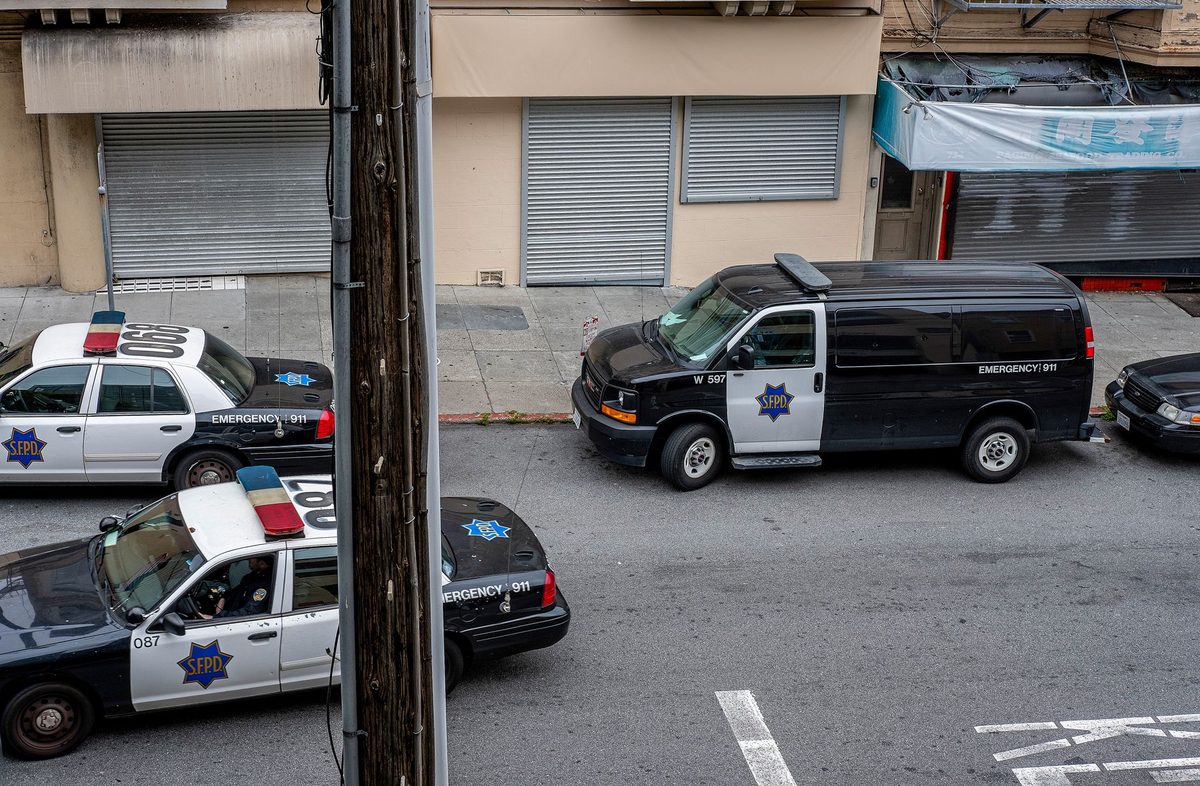
San Francisco's 311 app now sends public drug use reports to police. The city added the 'public drug activity' category on Oct. 22, after hundreds of drug-use complaints filed through the app were closed without being forwarded to officers.

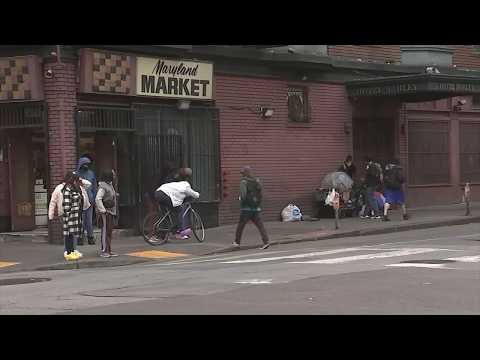
Supervisor Bilal Mahmood said in a post on X that he mapped more than 1,000 public drug use reports filed through 311 over three months. He said 80% were within two blocks of city-funded homeless or supportive housing, and that 26% of overdose deaths happen inside those buildings. Filing in the app still does not send an officer; anyone who wants a response has to call the police non-emergency line.

Why it matters

If the data works as designed, San Francisco police resources will shift toward the neighborhoods filing the most drug complaints.

Last Monday's email for San Francisco, CA

Sent Nov 9. It carried:

Get next Monday's: one short email a week. Free. Unsubscribe in one click.

Questions about this story

Free account needed to ask — your question is kept and asked for you right after sign-up. Answers are public.

No questions yet — be the first to ask.

Key Indicators

1,000+
311 drug reports mapped by Mahmood
Supervisor Bilal Mahmood said he mapped more than 1,000 public drug use reports filed through 311 over three months.
80%
Reports within two blocks of city-funded housing
Mahmood said 80% of the mapped reports were within two blocks of homeless or supportive housing sites.
26%
Overdose deaths inside supportive housing
Mahmood said 26% of overdose deaths happen inside supportive housing the city funds.
1
New 'public drug activity' category added to 311 app
Category routes reports to the San Francisco Police Department for potential enforcement.

Voices

Curated perspectives — historical figures and your fellow readers.

Sign up to generate historical perspectives on this story.

People Involved

Organizations Involved

Timeline

August 2026 October 2026

2 events Latest: October 22nd, 2026 · 3 weeks ago
  1. SF adds drug activity category to 311 app

    Latest Policy change

    The city added a public drug activity category that routes reports to police for potential enforcement.

  2. Reporting reveals drug complaints dropped by 311

    Report

    The San Francisco Standard and GrowSF reported drug-use complaints filed through 311 were closed without being sent to police.

Scenarios

1

SFPD deploys patrols to neighborhoods with most drug reports

Possible Resolves by Q2 2027

Discussed by: GrowSF, The San Francisco Standard

The San Francisco Police Department uses location data from the new 311 category to shift patrols and enforcement to the areas with the most drug reports. The city administrator's office said the reports can guide enforcement decisions, making the category a tool for targeted policing. Officer responses to individual calls would still require a phone call, but patrol deployment could follow the data.

2

New 311 category changes reporting, not enforcement

Possible Resolves by Q2 2027

Discussed by: The San Francisco Standard

The category captures drug activity reports and shares them with police, but the department keeps its patrol patterns unchanged. Staffing limits or policy choices leave enforcement flat, and the category becomes a data collection tool rather than an enforcement driver.

3

City expands 311 category model to other complaints

Unlikely Resolves by End of 2027

Discussed by: GrowSF

The success of the public drug activity category leads the city to add similar routing for other under-addressed complaint types. Supervisor Mahmood framed the change as part of improving the 311 user experience, and an expansion would signal the city views the model as working.

4

City publishes drug-activity reports in its open 311 data

Possible Resolves by Apr 30, 2027

Discussed by: The San Francisco Standard

San Francisco posts most complaint types to a public 311 dataset, but as of August 2026 there was no drug category in that data and complaint notes were redacted. If the new public drug activity category is added, residents and researchers could map where reports come from and compare them against police deployment.

5

City extends drug-free rules to existing supportive housing

Possible Resolves by Q2 2027

Discussed by: Bilal Mahmood

Mahmood called for sober housing, treatment and case management inside buildings the city already funds, and for results-based homeless contracts as Mayor Daniel Lurie re-bids about $500 million a year. A law requiring new city-funded supportive housing to be drug free has already passed; the open question is whether the same rule reaches existing sites.

Historical Context

2 moments from history that rhyme with this story — and how they unfolded.

March 2003

NYC 311 launch (2003)

Mayor Michael Bloomberg's administration launched NYC 311 as the first comprehensive urban non-emergency complaint line. Residents could report potholes, noise, and other issues through a single phone number.

Then

NYC 311 processed millions of calls in its first years and set a national template for city services.

Now

Cities across the country adopted similar systems. San Francisco's 311 is a direct descendant of this model.

Why this matters now

The San Francisco change is a refinement inside the 311 system Bloomberg helped popularize: a mechanism for routing complaints to the right agency more effectively.

1994

NYPD CompStat (1994)

NYPD Commissioner William Bratton introduced CompStat, a system that mapped crime data by precinct and held commanders accountable for trends in their areas.

Then

New York saw significant crime declines in subsequent years, though CompStat's role is debated.

Now

CompStat became the model for data-driven policing worldwide.

Why this matters now

San Francisco's new 311 category applies the same logic at the complaint level: using resident reports as data to decide where police should focus.

Sources

(4)