
Pull to refresh
Logo
San Francisco Police Commission advances new drone policy

San Francisco Police Commission advances new drone policy

Rule Changes San Francisco, CA local

Rules allow drones for public safety responses, bar general surveillance, and cap video retention at 30 days

Overview

Updated Oct 19

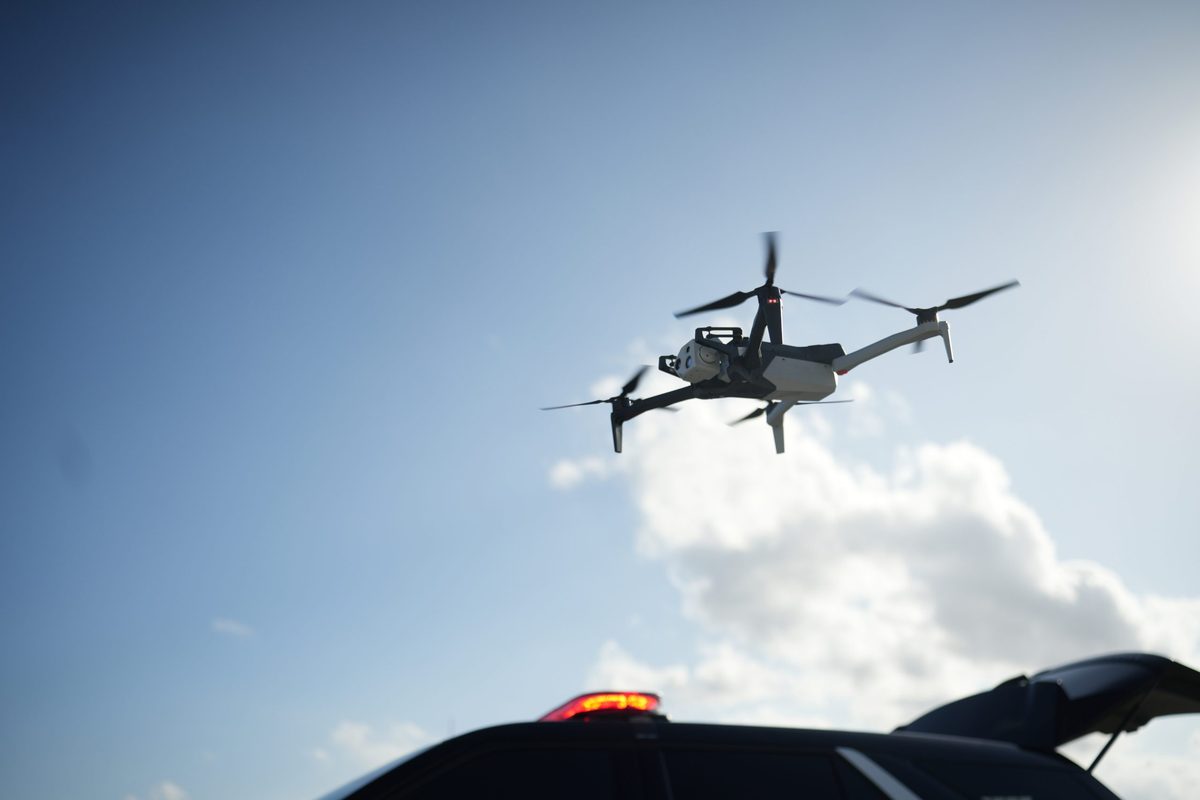
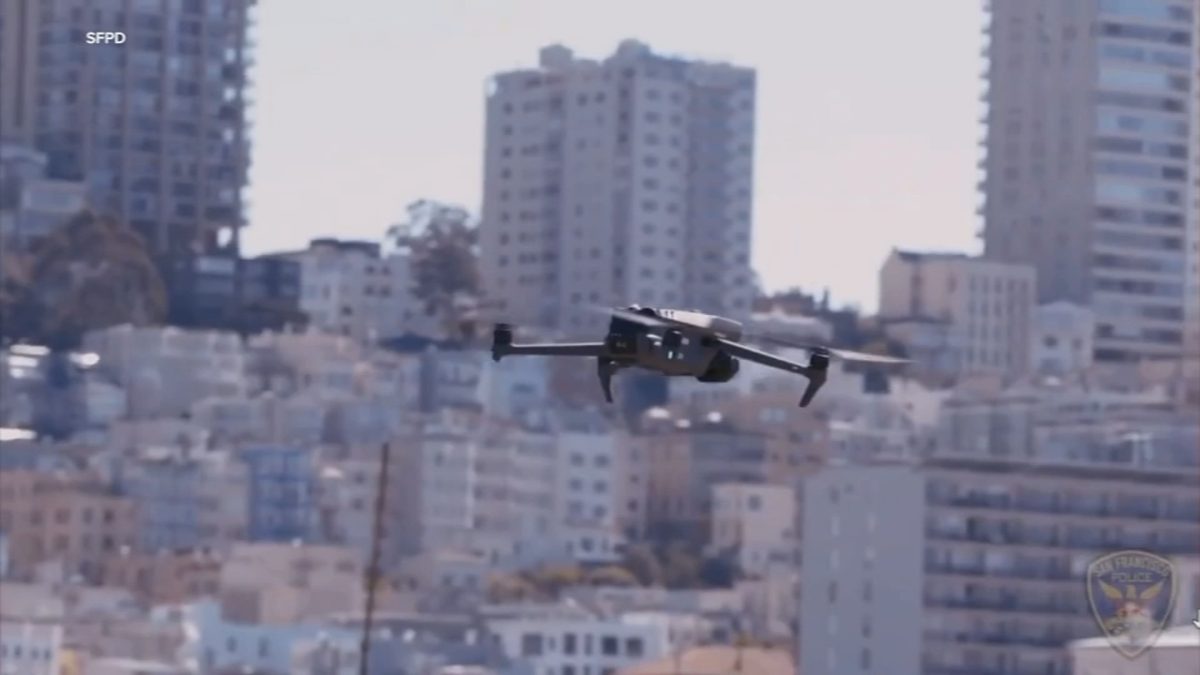
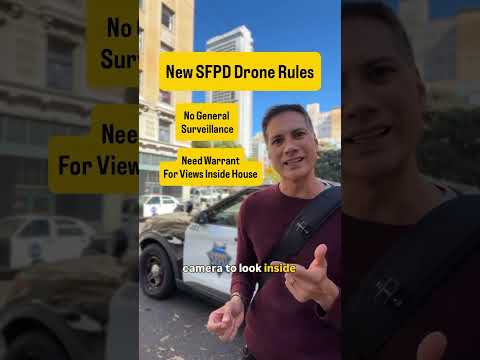
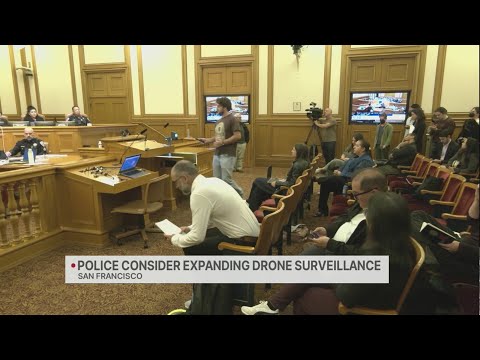
The San Francisco Police Commission voted 5-1 on Oct. 14 to advance its first drone policy since voters legalized police drone use in 2024. The rules allow drones for public safety responses, bar general surveillance and monitoring protests, and require a warrant before a drone peers into a home or enclosed yard.

Video is kept 30 days unless it captures evidence of a crime. The policy now heads to the Board of Supervisors, where privacy groups including the Electronic Frontier Foundation and the Public Defender's Office argue the language is too vague. The San Francisco Standard reported on Oct. 19 that the protest ban still leaves many ways for police to watch.

Why it matters

If approved, this policy decides whether police drones become a routine patrol tool or a narrowly scoped emergency response tool across every San Francisco neighborhood.

Last Monday's email for San Francisco, CA

Sent Nov 9. It carried:

Get next Monday's: one short email a week. Free. Unsubscribe in one click.

Questions about this story

Free account needed to ask — your question is kept and asked for you right after sign-up. Answers are public.

No questions yet — be the first to ask.

Key Indicators

5-1
Police Commission vote
Commission advanced the policy, with one dissenting vote.
3,500+
Drone flights in first five months of 2026
SFPD has rapidly expanded drone use since Prop E took effect.
98
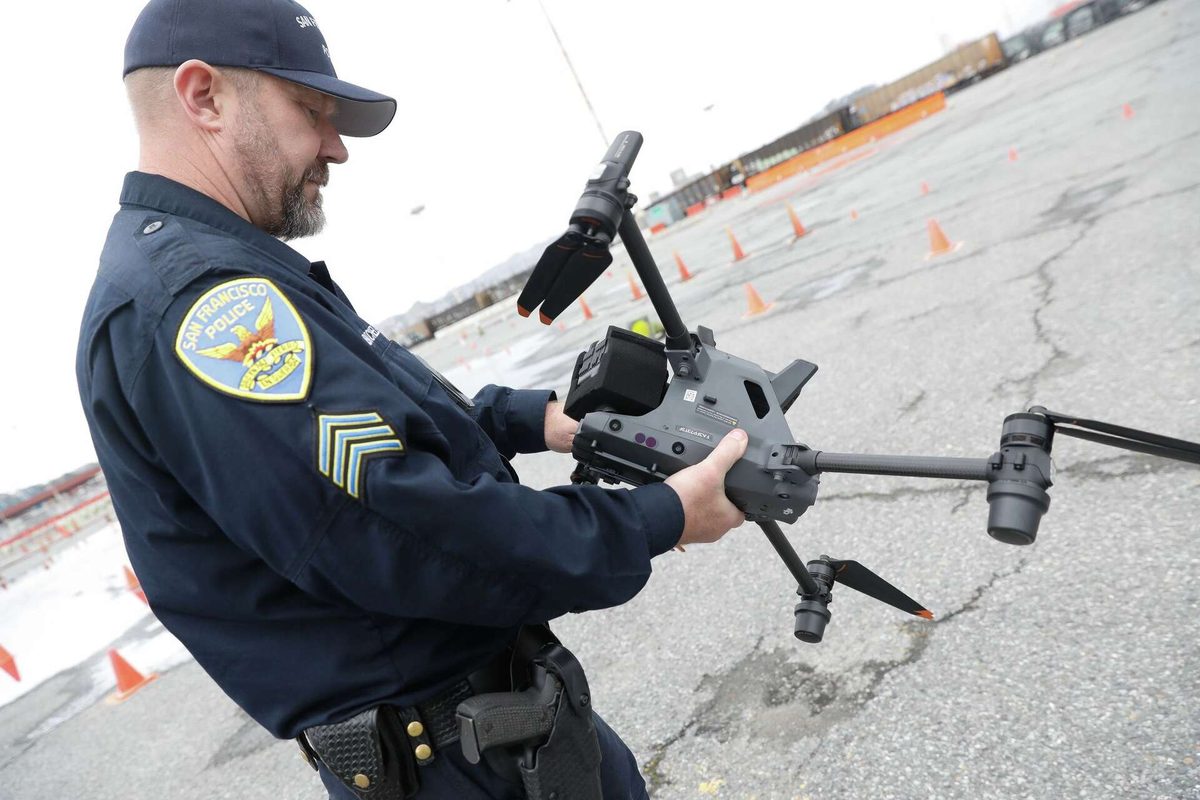
Drones in SFPD fleet
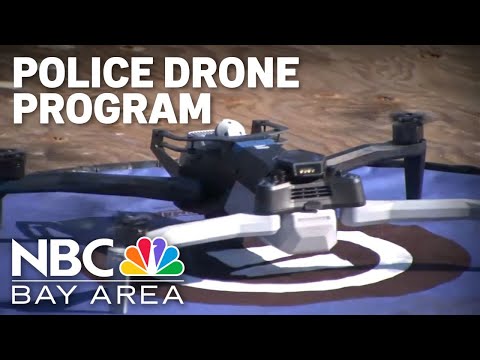
14 are flown remotely from the Real Time Investigation Center.

Voices

Curated perspectives — historical figures and your fellow readers.

Sign up to generate historical perspectives on this story.

People Involved

Organizations Involved

Timeline

2019 October 2026

9 events Latest: October 14th, 2026 · 4 weeks ago
Tap a bar to jump to that date
  1. Police Commission votes 5-1 to advance drone policy

    Latest Vote

    Policy allows public safety responses, bans general surveillance, limits video retention to 30 days.

  2. EFF and Public Defender's Office send comments

    Advocacy

    Groups push for stricter rules after SFPD draft policy is deferred.

  3. Drone flights exceed 3,500 in five months

    Data

    SFPD deployment grows from 1,100 flights from Jan–Aug 2025 to 3,500+ by May 2026.

  4. SFPD expands drone use to patrol

    Policy Change

    Drones now used without a specific incident, a departure from original limits.

  5. SFPD reports lowest crime in 20 years

    Report

    Chief William Scott attributes part of the reduction to drone air support.

  6. Drones help arrests in retail theft and narcotics

    Operation

    SFPD credits drones with aiding arrests.

  7. Six drones become operational

    Deployment

    SFPD begins flying drones for criminal investigations and critical incidents.

  8. Prop E passes, allows police drones

    Election

    Voters approved a measure championed by Mayor London Breed, exempting drones from the Surveillance Technology Ordinance.

  9. Surveillance Technology Ordinance passed

    Legislation

    SF required city departments to get Board of Supervisors approval for new surveillance tech.

Scenarios

1

Board of Supervisors approves drone policy as-is

Likely Resolves by End of 2026

Discussed by: Mission Local, Police Commission sources

The policy, advanced 5-1, gains final approval from the Board of Supervisors in the coming months. The board is expected to accept the commission's vote, given the moderate scope, though some members may push for amendments.

2

Board amends policy with stricter privacy limits

Possible Resolves by Q1 2027

Discussed by: EFF, Public Defender's Office

Under pressure from privacy advocates, the Board adds requirements like real-time public flight tracking, a ban on drones over protests, and shorter data retention periods. Such amendments would likely face police opposition and delay implementation.

3

Legal challenge filed against drone policy

Possible Resolves by Q2 2027

Discussed by: EFF, civil liberties observers

EFF or another group files a lawsuit arguing the policy's vague 'public safety response' language violates the Fourth Amendment. A court could enjoin implementation, echoing the recent SIREN v. San Jose dismissal, though legal precedents are mixed.

Historical Context

2 moments from history that rhyme with this story — and how they unfolded.

2019

Surveillance Technology Ordinance (2019)

San Francisco passed a law requiring city departments to obtain Board of Supervisors approval before acquiring or using surveillance technology. It was a response to rising use of facial recognition and license plate readers.

Then

Departments had to justify new surveillance tools to the public.

Now

Set a national precedent for local oversight of police surveillance.

Why this matters now

Prop E in 2024 exempted drones from this ordinance, creating the oversight gap the new policy tries to fill.

2026

SIREN v. San Jose (2026)

A California trial court dismissed a lawsuit challenging San Jose's warrantless searches of automated license plate reader data. EFF and ACLU represented the plaintiffs.

Then

San Jose police can continue to query its ALPR database without a warrant.

Now

Weakens the legal argument that bulk data from surveillance tools requires judicial oversight.

Why this matters now

Shows courts may be reluctant to restrain police surveillance, suggesting drone policy challenges face an uphill path.

Sources

(7)