
Pull to refresh
Logo
Lurie extends Mission BART plaza cleanup strategy indefinitely

Lurie extends Mission BART plaza cleanup strategy indefinitely

Rule Changes San Francisco, CA local

90-day surge ended with 481 arrests and citations; the city says cleanup work continues indefinitely

September 4th, 2026: City extends strategy indefinitely

Overview

Updated 5 days ago

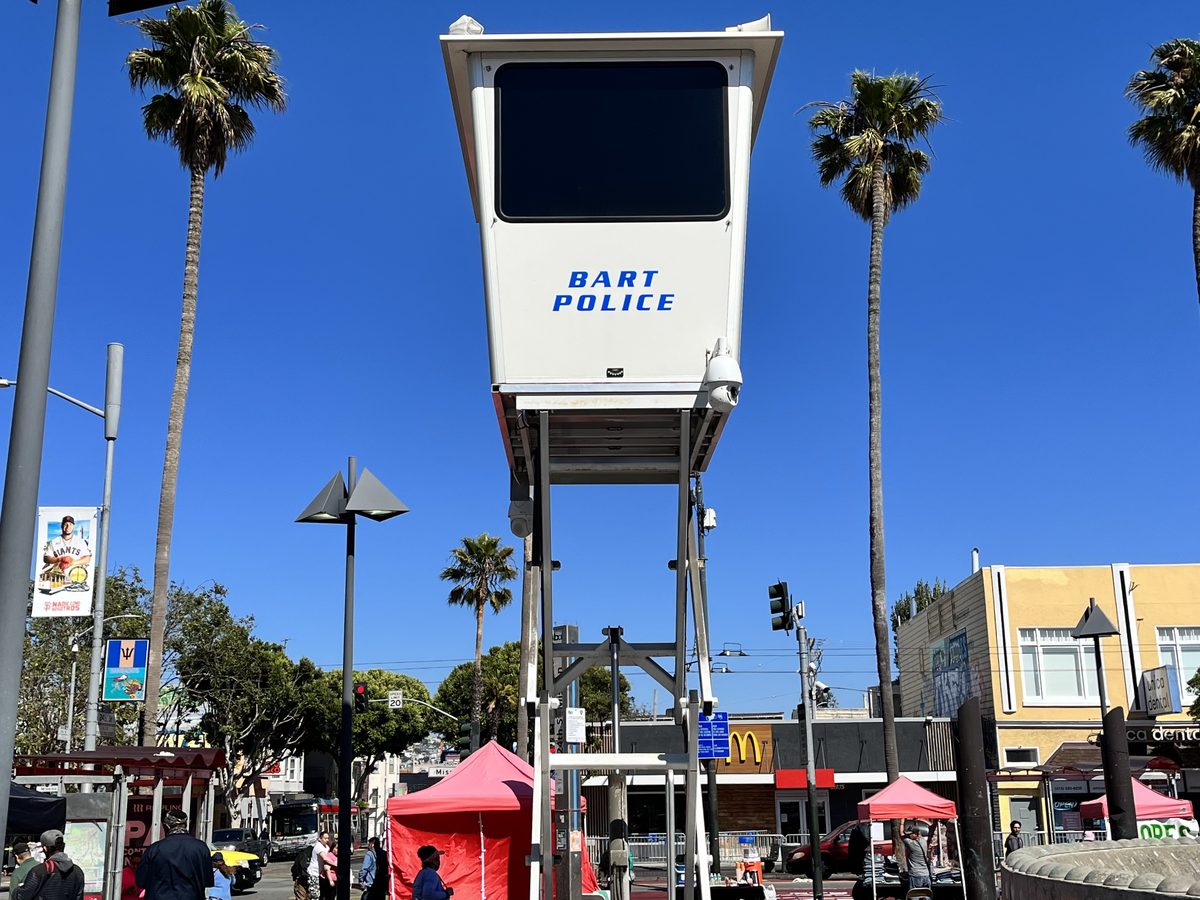
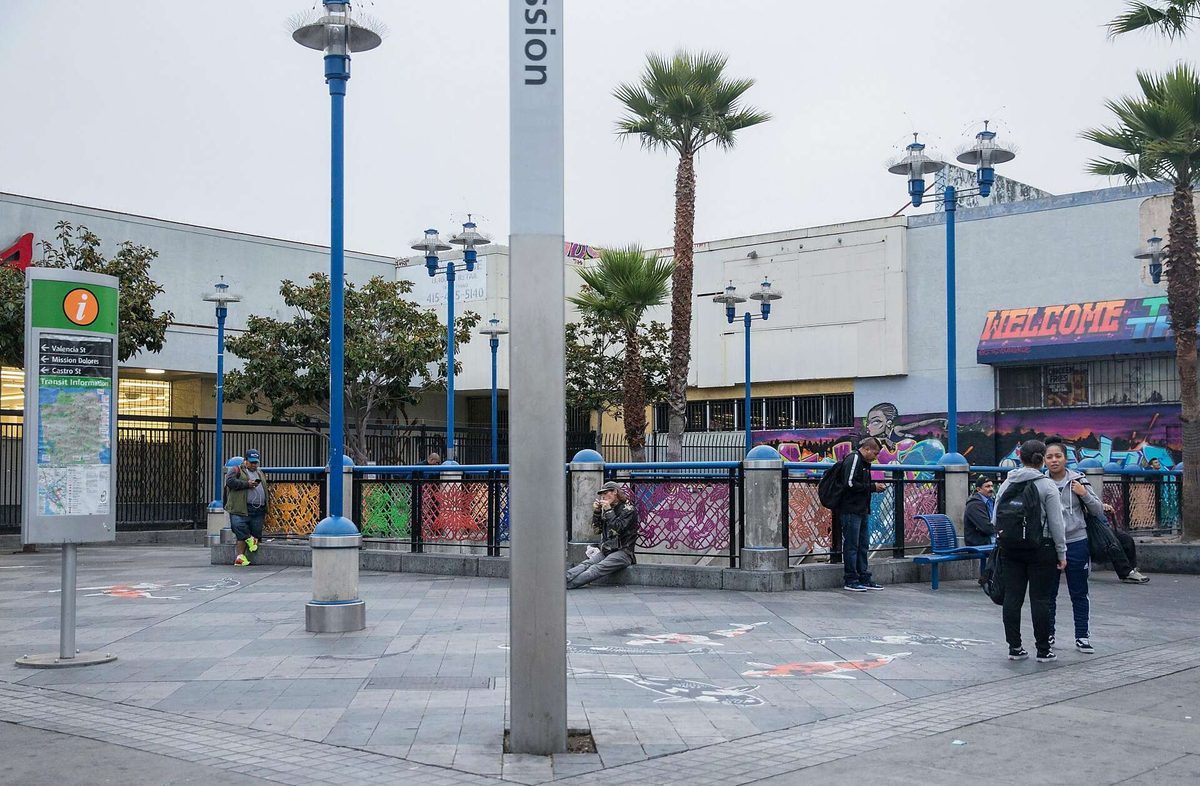
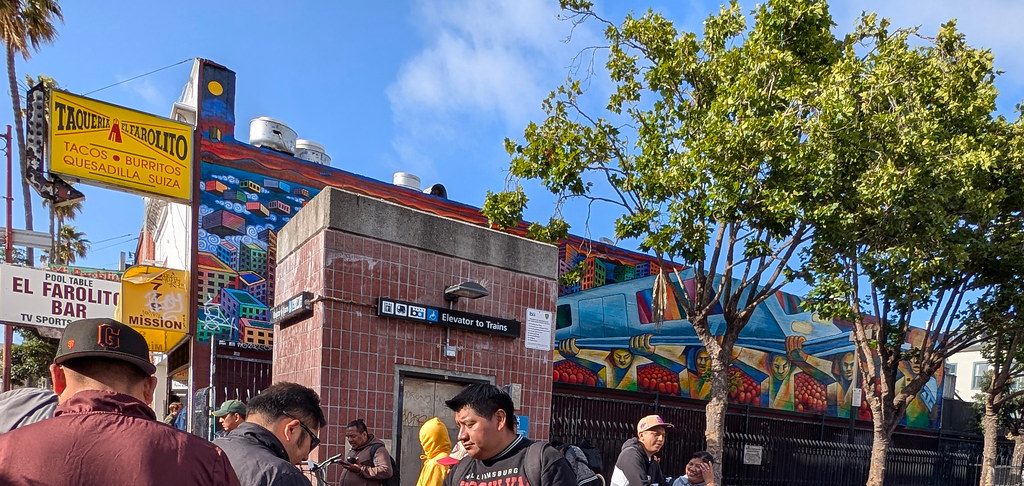
San Francisco's 90-day cleanup of the Mission District BART plazas will continue indefinitely, with no end date, the mayor's office confirmed Thursday. The city says emergency calls about homeless people dropped 34 percent and calls about public drug use fell 22 percent since the plan began June 7.

Neighbors and business owners tell a messier story. Some report real improvement, but others say evening hours remain dangerous and stabbings have continued at both plazas. The indefinite extension tests whether coordinated enforcement, street ambassadors, and pop-up events can permanently change two of the city's busiest transit hubs.

Why it matters

The outcome determines whether coordinated enforcement can make two busy transit plazas safe, or whether San Francisco's approach needs a fundamental reset.

Questions about this story

Free account needed to ask — your question is kept and asked for you right after sign-up. Answers are public.

No questions yet — be the first to ask.

Key Indicators

34%
Drop in emergency calls about homeless people, first 80 days
Mayor's office data comparing the strategy's first 80 days to prior baselines.
22%
Drop in emergency calls about public drug use
Same 80-day window, reported by the mayor's office.
534
Notices of violation issued by police since June 7
Includes 93 first-time citations, 14 second-time citations, and 3 misdemeanors.
481
Arrests and citations during the 90-day surge
SFPD tally reported by SFist, with 28 patrol officers assigned.
$3 million
State funding for public safety infrastructure
State grant for lighting, activations, and related improvements at both plazas.
12
Street ambassadors patrolling the plazas
Ambassadors and street workers cover 10 a.m. to 6:30 p.m. daily.
$8 million
Estimated annual cost of 24/7 ambassador coverage
Mayor's office denied Supervisor Fielder's request, citing the jump from $2.2 million.
382
Below-market-rate units at Marvel in the Mission
Housing complex rising behind the 16th Street plaza; about half will be supportive housing for formerly homeless people.

Voices

Curated perspectives — historical figures and your fellow readers.

Ever wondered what historical figures would say about today's headlines?

Sign up to generate historical perspectives on this story.

People Involved

Organizations Involved

Timeline

March 2025 September 2026

9 events Latest: September 4th, 2026 · 1 week ago
Tap a bar to jump to that date
  1. City extends strategy indefinitely

    Latest Policy

    Lurie's office confirms the 90-day plan continues with no set end date.

  2. Residents share photos of plaza fencing

    Community

    Neighbors send Fielder's office pictures of both plazas inundated with alleged fencing activity.

  3. Mayor's office denies 24/7 ambassador request

    Decision

    Supervisor Fielder's request for round-the-clock street ambassadors rejected on cost grounds.

  4. Two people stabbed near the plazas

    Incident

    Two separate stabbings within hours of each other near the cleanup zone.

  5. 90-day strategy begins

    Policy

    Lurie launches the coordinated 90-day cleanup at the 16th and 24th Street BART plazas.

  6. Three people stabbed at 16th and Mission

    Incident

    Stabbings occur hours after the mayor visited one of the plaza 'activations.'

Scenarios

1

Cleanup holds as enforcement goes permanent

Likely Resolves by Q2 2027

Discussed by: Office of Economic and Workforce Development officials, who called early results 'promising'

The indefinite extension becomes institutionalized. Police keep a permanent presence at the plazas, ambassadors stay at a dozen staff, and the city's data shows sustained declines in drug-use and homelessness calls. The $3 million in state infrastructure money funds lighting upgrades, and $1 million goes to activations. If the numbers hold into 2027, the strategy becomes the model for other plazas citywide.

2

Physical redesign replaces enforcement as the main fix

Possible Resolves by End of 2027

Discussed by: Urban design advocates and residents cited in Mission Local's coverage of the plaza redesign

After a year of enforcement with uneven results, the city and BART shift emphasis to the pending redesign of both plazas, using the $3 million state infrastructure grant to change lighting, layout, and seating. The enforcement effort winds down as design work ramps up, echoing previous redesign attempts that briefly changed how the space was used.

3

Conditions deteriorate, forcing a strategy reset

Possible Resolves by Q2 2027

Discussed by: Business owners like Kitava co-founder Brian Tublin and residents who emailed Supervisor Fielder's office

Stabbings and drug activity continue, especially at night, and business owners report 'some of the worst days' they have seen. A high-profile incident prompts Mayor Lurie to revise the strategy, reassign personnel, or bring in new leadership. The indefinite continuation proves insufficient to change conditions when ambassadors go home at 6:30 p.m.

4

New residents change the plaza's politics

Possible Resolves by End of 2027

Discussed by: SFist, citing the Marvel in the Mission complex rising behind the 16th Street plaza

The Marvel in the Mission, a 19-story complex with 382 below-market-rate units, is rising behind the 16th Street plaza. About half the units will be supportive housing for formerly homeless people, built first as Phase One. When residents move in, the plaza gains hundreds of regular users and new political pressure to keep it clean.

Historical Context

3 moments from history that rhyme with this story — and how they unfolded.

1994-1996

Times Square cleanup (1994-1996)

Mayor Rudy Giuliani's quality-of-life campaign pushed sex shops, drug dealers, and street hustlers out of Times Square starting in 1994, pairing aggressive enforcement with business improvement district cleanups and later private redevelopment. Crime and disorder fell sharply within a few years.

Then

Crime dropped dramatically and the area became a family-oriented commercial district.

Now

The cleanup became a template for cities worldwide, though critics note it displaced problems and fueled gentrification.

Why this matters now

The Mission strategy mirrors several Times Square tactics, including visible enforcement, multi-agency coordination, and private contractors, and faces the same question: whether gains hold without constant pressure.

2002-2004

Care Not Cash (2002-2004)

San Francisco voters approved Mayor Gavin Newsom's Care Not Cash initiative in 2002, replacing monthly cash welfare grants for homeless adults with housing, food, and services. The program took full effect in 2004 after legal challenges.

Then

Cash payouts dropped and the visible street homeless population declined in some areas.

Now

Homelessness persisted and the policy's effectiveness is still debated two decades later.

Why this matters now

Like Care Not Cash, Lurie's strategy is a mayor-led intervention on street conditions in San Francisco, and its success will be measured the same way: whether changes on the ground outlast the political cycle.

2010s-2020s

16th & Mission plaza redesigns (2010s-2020s)

The 16th Street BART plaza has been redesigned multiple times over the past decade-plus, each attempt aiming to reduce drug activity and loitering through changes to layout, seating, and lighting. Mission Local reports the plaza is now being redesigned 'again.'

Then

Each redesign briefly changed how the space was used.

Now

Drug use and illegal vending returned after each round, suggesting design alone hasn't solved the problem.

Why this matters now

The current $3 million in 'public safety infrastructure' spending is the latest in this cycle, testing whether physical changes can do what past designs and enforcement haven't.

Sources

(4)