




HIV Cultivation Breakthrough (1983-1984)
For years after AIDS emerged, researchers struggled to grow the causative virus in the laboratory. In 1983-1984, teams led by Luc Montagnier and Robert Gallo independently achieved sustained HIV cultivation, enabling diagnostic test development and drug screening that had been impossible with limited viral material.
The first HIV diagnostic tests were developed within a year of cultivation success, transforming blood supply safety.
Sustained cultivation enabled the drug screening that produced AZT and subsequent antiretrovirals, turning HIV from a death sentence into a manageable chronic condition.
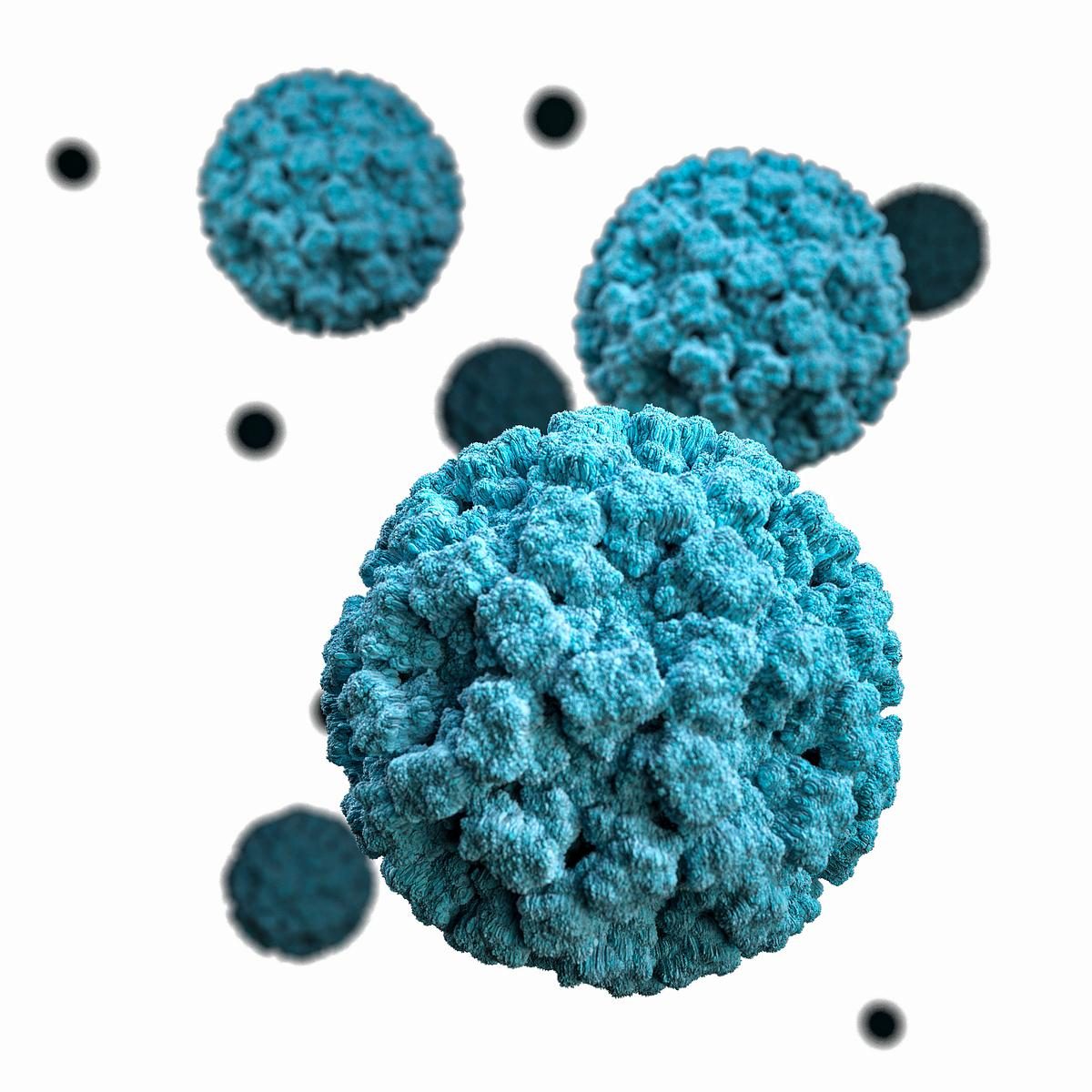
Like norovirus before 2016, HIV initially resisted laboratory cultivation, limiting what researchers could learn. The parallel illustrates how solving the cultivation problem can rapidly accelerate both basic research and therapeutic development—though it took over a decade from HIV cultivation to effective treatment regimens.