

Restriction enzymes launch the biotech industry (1968–1978)
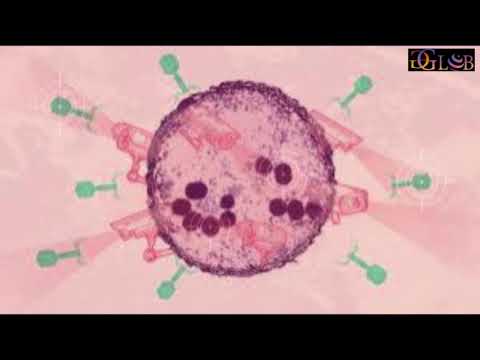
Werner Arber, Hamilton Smith, and Daniel Nathans discovered that bacteria use restriction enzymes to chop up foreign viral DNA at specific sequences while protecting their own DNA through chemical modification. Herb Boyer and Stan Cohen used these enzymes in 1973 to cut and paste DNA from different organisms — the birth of recombinant DNA technology.
The trio shared the 1978 Nobel Prize in Physiology or Medicine. Boyer co-founded Genentech in 1976, launching the modern biotechnology industry.
Restriction enzymes became the foundational toolkit for molecular biology, enabling DNA cloning, sequencing, forensics, and genetically engineered medicines — a multi-hundred-billion-dollar industry built on a bacterial defense mechanism.
The pattern is identical: scientists discover how bacteria fight viruses, then repurpose the mechanism as a laboratory tool. The 2026 findings represent the largest-ever expansion of that source material.