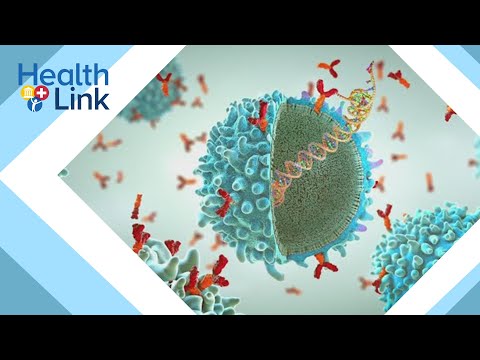
Metastatic breast cancer typically kills most patients within five years. A small group of women vaccinated in a Duke University clinical trial two decades ago have defied that prognosis entirely; all remain alive today. Researchers found these survivors still carry specialized immune cells that recognize their cancer, offering a model for why some therapeutic vaccines produce lasting results.
At ASCO 2026 in June, Moderna and Merck presented five-year data for their personalized melanoma vaccine. Combined with Keytruda, 68.8% of patients remained cancer-free, versus 49.1% on Keytruda alone; results were published simultaneously in the Journal of Clinical Oncology. The companies' Phase 3 trial is fully enrolled, with interim data expected late 2026 or into 2027.
Questions about this story
Free account needed to ask — your question is kept and asked for you right after sign-up. Answers are public.
No questions yet — be the first to ask.
Key Indicators
100%
20-Year Survival
All women in the original Duke HER2 vaccine trial remain alive, versus a typical 30% five-year survival for metastatic breast cancer
68.8%
Cancer-Free at 5 Years
Patients on Moderna/Merck's mRNA melanoma vaccine plus Keytruda who remained cancer-free at five years, versus 49.1% on Keytruda alone; five-year KEYNOTE-942 data presented at ASCO 2026 and published in the Journal of Clinical Oncology
88%
Pancreatic Survivors at 6 Years
Pancreatic cancer patients who responded to autogene cevumeran mRNA vaccine still alive at six-year follow-up (7 of 8), versus 25% of non-responders; presented at AACR 2026 by MSKCC's Vinod Balachandran
2027-28
Earliest Likely Approval
Phase 3 INTerpath-001 is fully enrolled with interim data expected late 2026 or 2027; FDA review time would follow, pushing the first commercial mRNA cancer vaccine to 2027 at the earliest and more likely 2028
21 events
Latest: June 1st, 2026 · 3 months ago
Showing 8 of 21
JK to step
Tap a bar to jump to that date
Jump to
June 2026
Five-Year Melanoma Vaccine Data Presented at ASCO 2026 and Published in Journal of Clinical Oncology
LatestClinical
Moderna and Merck presented five-year KEYNOTE-942 data at ASCO 2026: 68.8% of patients on intismeran autogene plus Keytruda remained cancer-free versus 49.1% on Keytruda alone, with a 59% reduction in distant metastasis or death. Results were simultaneously published in the Journal of Clinical Oncology.
April 2026
Pancreatic Cancer Vaccine Shows 88% Survival at Six Years
Research
At AACR 2026 in San Diego, MSKCC's Vinod Balachandran presented six-year follow-up for the autogene cevumeran pancreatic cancer vaccine. Of 8 patients who had an immune response, 7 (88%) remain alive; median recurrence-free survival has not been reached in that group, versus 1.1 years in non-responders.
Nature Study: mRNA Cancer Vaccines Work Through Two Immune Pathways, Not One
Research
Washington University researchers published in Nature showing mRNA cancer vaccines activate tumor-killing T cells through two dendritic cell types, not just one as previously thought. Mice without the cell type once considered essential still cleared sarcoma tumors after vaccination, a finding that may explain why some patients respond when models predicted they wouldn't.
March 2026
BioNTech Exits BNT111 in Late-Stage Melanoma
Clinical
Following October 2025 Phase 2 results at ESMO, BioNTech announced it would not pursue further clinical development of BNT111 in refractory late-stage melanoma. The company said it will focus resources on BNT113 for head and neck cancer and BNT116 for lung cancer.
January 2026
Duke Reports 100% Survival in 20-Year Vaccine Trial
Research
Duke Health announces that all participants in a metastatic breast cancer vaccine trial from over 20 years ago remain alive, an unprecedented result for patients who typically have 30% five-year survival.
Moderna/Merck Five-Year Data Receives Widespread Coverage
Research
European and international media highlight the sustained 49% recurrence reduction at five years, emphasizing the vaccine's potential to unlock the body's cancer-fighting capabilities. Moderna CEO signals potential 2027 commercial launch.
BioNTech Announces 2026 as Pivotal Year for Cancer Vaccines
Clinical
At JPM 2026 healthcare conference, BioNTech reveals plans for seven data readouts in 2026 (five potentially approval-relevant) and launch of six additional Phase 3 trials, bringing total Phase 3 programs to 15 by year-end. CEO Ugur Sahin positions 2026 as beginning of multiproduct oncology company roadmap.
COVID-19 mRNA Vaccines Show Synergy with Cancer Immunotherapy
Research
University of Florida study finds patients with advanced lung or skin cancer who received COVID-19 mRNA vaccines within 100 days of starting immunotherapy lived significantly longer than unvaccinated patients, bringing researchers closer to universal cancer vaccine development.
UCLA Health reports early trial results showing an off-the-shelf cancer vaccine targeting KRAS mutations triggered powerful and lasting immune responses in pancreatic and colorectal cancer patients, potentially preventing or delaying recurrence without requiring personalized manufacturing.
December 2025
mRNA Vaccine Five-Year Data Shows 49% Recurrence Reduction
Clinical
Five-year follow-up from KEYNOTE-942 shows Moderna/Merck's mRNA vaccine plus pembrolizumab reduced melanoma recurrence risk by 49% versus pembrolizumab alone.
October 2025
Duke Publishes CD27 Mechanism Discovery
Research
Duke researchers publish in Science Immunology that CD27-positive T cells explain why early vaccine trial participants survived 20+ years, and show CD27 agonists boost vaccine effectiveness in mice.
October 2024
FDA Releases Cancer Vaccine Guidance
Regulatory
The FDA publishes comprehensive guidance for therapeutic cancer vaccine clinical trials, establishing standardized frameworks for development and approval.
February 2024
First Cellular Therapy for Solid Tumors Approved
Regulatory
The FDA approves lifileucel (Amtagvi), the first tumor-infiltrating lymphocyte therapy for solid tumors, for advanced melanoma.
February 2023
FDA Grants Breakthrough Designation to mRNA Cancer Vaccine
Regulatory
The FDA grants Breakthrough Therapy Designation to Moderna/Merck's mRNA-4157 plus pembrolizumab for high-risk melanoma.
December 2022
Moderna/Merck mRNA Vaccine Hits Primary Endpoint
Clinical
Phase 2b KEYNOTE-942 trial shows mRNA-4157 plus pembrolizumab reduces melanoma recurrence by 44% versus pembrolizumab alone.
October 2018
Nobel Prize for Checkpoint Inhibitor Discovery
Recognition
James Allison and Tasuku Honjo share the Nobel Prize in Physiology or Medicine for discovering cancer therapy through immune checkpoint inhibition.
March 2011
First Checkpoint Inhibitor Approved
Regulatory
Ipilimumab (Yervoy), the first immune checkpoint inhibitor, wins FDA approval for melanoma based on James Allison's CTLA-4 research.
April 2010
First Therapeutic Cancer Vaccine Approved
Regulatory
The FDA approves Provenge (sipuleucel-T) for metastatic prostate cancer, the first therapeutic cancer vaccine. It extended median survival by 4.1 months.
September 1998
FDA Approves Herceptin
Regulatory
Trastuzumab (Herceptin) becomes the first FDA-approved treatment targeting a cancer-causing gene, transforming outcomes for HER2-positive breast cancer patients.
January 1987
HER2 Gene Linked to Aggressive Breast Cancer
Discovery
Dennis Slamon at UCLA discovers that HER2 gene amplification occurs in approximately 30% of breast cancers and correlates with poor prognosis.
January 1891
William Coley Pioneers Cancer Immunotherapy
Discovery
New York surgeon William Coley injects streptococcal bacteria into a cancer patient, observing tumor shrinkage. His 'Coley's toxins' treat over 1,000 patients with a 50% five-year survival in inoperable sarcoma.
Scenarios
1
First Commercial mRNA Cancer Vaccine Approved by 2027
Likely
Discussed by: Moderna, Merck, and financial analysts covering oncology; FDA regulatory timeline assessments
Moderna and Merck complete Phase 3 trials for melanoma (V940-001) and lung cancer (INTERpath-002), submit regulatory filings in 2026, and receive approval in early 2027. The vaccine becomes a standard adjuvant treatment for high-risk resected melanoma, expanding to lung cancer shortly after. This establishes the mRNA cancer vaccine category and triggers broader investment in personalized vaccines.
2
CD27 Agonists Enter Clinical Trials, Transforming Vaccine Durability
Possible
Discussed by: Duke researchers, Science Immunology peer reviewers, cancer immunotherapy analysts
Following the Duke discovery that CD27 agonist antibodies create lasting immune memory with a single dose, pharmaceutical companies develop clinical-grade CD27 agonists for combination with existing cancer vaccines. Phase 1 trials begin by late 2026, potentially solving the durability problem that has limited cancer vaccine effectiveness. If successful, this could make therapeutic vaccines effective across multiple cancer types.
3
HER2 Vaccine Receives Breakthrough Designation for Breast Cancer
Possible
Discussed by: Duke clinical trial investigators, breast cancer advocacy organizations
Duke's Phase 2 VRP-HER2 plus pembrolizumab trial reports strong results in metastatic HER2-positive breast cancer. Combined with the 20-year survival data and CD27 mechanism research, the FDA grants Breakthrough Therapy Designation. This accelerates development of the first therapeutic vaccine specifically for breast cancer, a disease affecting 300,000 Americans annually.
4
Regulatory or Funding Setbacks Delay Cancer Vaccine Development
Unlikely
Discussed by: Biotech industry analysts, public health policy researchers
Phase 3 trials show smaller effects than Phase 2, or manufacturing challenges for personalized vaccines prove too costly for widespread use. Alternatively, policy decisions affecting mRNA research funding slow development timelines. First approvals slip to 2029 or later, and cancer vaccines remain confined to specific indications rather than becoming a broad treatment category.
Off-the-shelf vaccines targeting common mutations like KRAS prove as effective as personalized vaccines but cost 90% less to manufacture and deliver. Companies shift strategy toward combination approaches using both off-the-shelf vaccines for common targets and personalized vaccines for rare neoantigens, making cancer vaccines accessible in resource-limited settings and potentially accelerating adoption.
6
COVID-19 Vaccine Synergy Leads to Repurposing Trials
Possible
Discussed by: University of Florida researchers, oncology clinical trial networks
Following UF Health findings that COVID-19 mRNA vaccines enhance cancer immunotherapy outcomes, researchers launch trials specifically testing COVID vaccines as adjuvants to checkpoint inhibitors and cancer vaccines. If validated, this could provide immediate benefit using already-approved vaccines while next-generation cancer vaccines advance through trials.
Historical Context
3 moments from history that rhyme with this story — and how they unfolded.
1 of 3
September 1998
Herceptin Transforms HER2-Positive Breast Cancer (1998)
The FDA approved trastuzumab (Herceptin), the first monoclonal antibody targeting a specific cancer gene. Developed by Dennis Slamon and Genentech, it targeted the HER2 protein overexpressed in 20-30% of breast cancers. Clinical trials showed it halved recurrence rates and reduced mortality by 30% when combined with chemotherapy.
Then
Herceptin became standard treatment for HER2-positive breast cancer, fundamentally changing prognosis for what had been an aggressive subtype.
Now
Herceptin has saved an estimated 3 million lives and spawned a class of HER2-targeted therapies. HER2-positive breast cancer went from worst-prognosis subtype to better outcomes than other forms. The success validated targeting specific tumor proteins.
Why this matters now
The Duke vaccine targets the same HER2 protein as Herceptin but through a different mechanism—training the immune system to recognize and attack HER2-expressing cells rather than blocking the protein directly. Combining these approaches could provide complementary benefits.
2 of 3
April 2010
Provenge Approval for Prostate Cancer (2010)
The FDA approved sipuleucel-T (Provenge), the first therapeutic cancer vaccine, for metastatic castration-resistant prostate cancer. The personalized vaccine, made from each patient's own immune cells, extended median survival by 4.1 months. At three years, 31.7% of vaccinated patients were alive versus 21.7% on placebo—a 50% improvement in survival.
Then
Provenge launched commercially but faced adoption challenges due to its $93,000 price, complex manufacturing requiring fresh cells from each patient, and modest survival benefit. Developer Dendreon filed for bankruptcy in 2014.
Now
Provenge demonstrated that therapeutic cancer vaccines could win FDA approval and extend survival, validating the approach despite commercial struggles. It remains available and showed the field that personalized cancer immunotherapy could work.
Why this matters now
The Duke HER2 vaccine shows dramatically better results—100% survival at 20 years versus Provenge's modest extension. The CD27 mechanism discovery may explain why some vaccines create lasting immunity while others provide temporary benefit.
3 of 3
2011-2018
Checkpoint Inhibitor Revolution (2011-2018)
James Allison's discovery of CTLA-4 blockade led to ipilimumab (Yervoy), approved in 2011 for melanoma. Tasuku Honjo's PD-1 discovery enabled pembrolizumab (Keytruda) and nivolumab (Opdivo), approved in 2014. By 2018, when both won the Nobel Prize, checkpoint inhibitors had produced durable responses in metastatic cancers previously considered untreatable, with some melanoma patients surviving over a decade.
Then
Checkpoint inhibitors became standard treatment for melanoma, lung cancer, and other malignancies. Combined CTLA-4 and PD-1 blockade pushed five-year melanoma survival from 5% to 50% in some patients.
Now
Cancer immunotherapy became the fourth pillar of treatment alongside surgery, radiation, and chemotherapy. The 2018 Nobel Prize validated decades of research and accelerated investment in the field.
Why this matters now
Current cancer vaccine trials combine vaccines with checkpoint inhibitors like pembrolizumab, using vaccines to initiate immune responses and checkpoint inhibitors to sustain them. Duke's research suggests this combination, enhanced with CD27 agonists, may produce the durable responses seen in their long-term survivors.