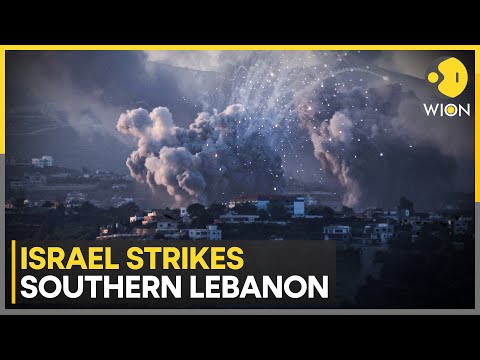
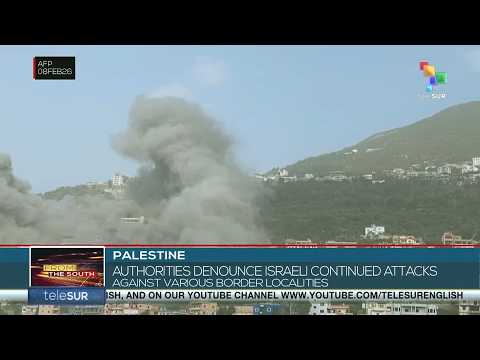
The US, Israel, and Lebanon signed a 14-point Trilateral Framework Agreement in Washington on June 26. It ties Israeli withdrawal from southern Lebanon to Hezbollah disarmament — Lebanon's army must first deploy to pilot zones, clear Hezbollah out, and pass a US-led assessment. Washington pledged $100 million in aid.
Hezbollah rejected it within 24 hours. Secretary-General Naim Qassem called the framework 'humiliating' and 'a surrender of sovereignty,' vowing his fighters would not leave the battlefield as Israeli airstrikes resumed on southern Lebanon two days after signing. By July 4, Western diplomats were privately calling it a 'non-starter.'
Why it matters
Hezbollah rejected the framework, Israel resumed strikes, and Lebanon has no clear path to Israeli withdrawal — keeping Iran's Strait of Hormuz pledge at risk.
Questions about this story
Free account needed to ask — your question is kept and asked for you right after sign-up. Answers are public.
0
What is this war about?
This is a resumption of the Israel-Hezbollah war, rooted in Hezbollah's October 2023 decision to open a second front against Israel in solidarity with Hamas in Gaza — now widened into a broader US-Israel confrontation with Iran.
Why it matters: The fight is no longer just Israel vs. Hezbollah: Iran is now firing missiles directly at Israel, making Lebanon a live front in a region-wide war.
—Hezbollah began firing rockets and drones at northern Israel on October 8, 2023 — the day after Hamas's attack — calling it a 'support front' for Palestinians in Gaza. Israel and Hezbollah traded fire for a year before Israel launched a full ground invasion of Lebanon in October 2024.
—That 2024 war killed nearly 4,000 Lebanese and displaced 1.4 million people. Israel assassinated Hezbollah leader Hassan Nasrallah and agreed to a US-brokered ceasefire in November 2024 — but continued striking Lebanon afterward, logging over 10,500 documented violations.
—War resumed March 2, 2026, after the ceasefire collapsed amid mutual violations: Israel kept striking, claiming Hezbollah was rebuilding its arsenal; Hezbollah refused to disarm. The escalation also followed US-Israeli strikes on Iran in late February 2026, killing Supreme Leader Khamenei and triggering a broader Iran war.
—The deepest dispute is sovereignty vs. security: Israel insists Hezbollah must disarm before any withdrawal; Lebanon's government and Hezbollah say Israeli forces must leave first; and Iran treats the Lebanon front as part of its wider conflict with Israel and the US.
Israel frames its ongoing strikes as legitimate ceasefire enforcement — targeting Hezbollah's weapons rebuilding — while Lebanon's government and international bodies like the UN and Amnesty International call the same strikes illegal violations of Resolution 1701 and a disproportionate collective punishment of Lebanese civilians.
Iran and Hezbollah argue the Lebanon conflict is inseparable from Gaza and the US-Israel war on Iran, meaning no ceasefire in Lebanon is possible without resolving those fronts; Israel and the US treat them as distinct tracks that can be negotiated separately.
AI-generated with web search — may be wrong. Check the linked sources.
Key Indicators
10,000+
Israeli ceasefire violations
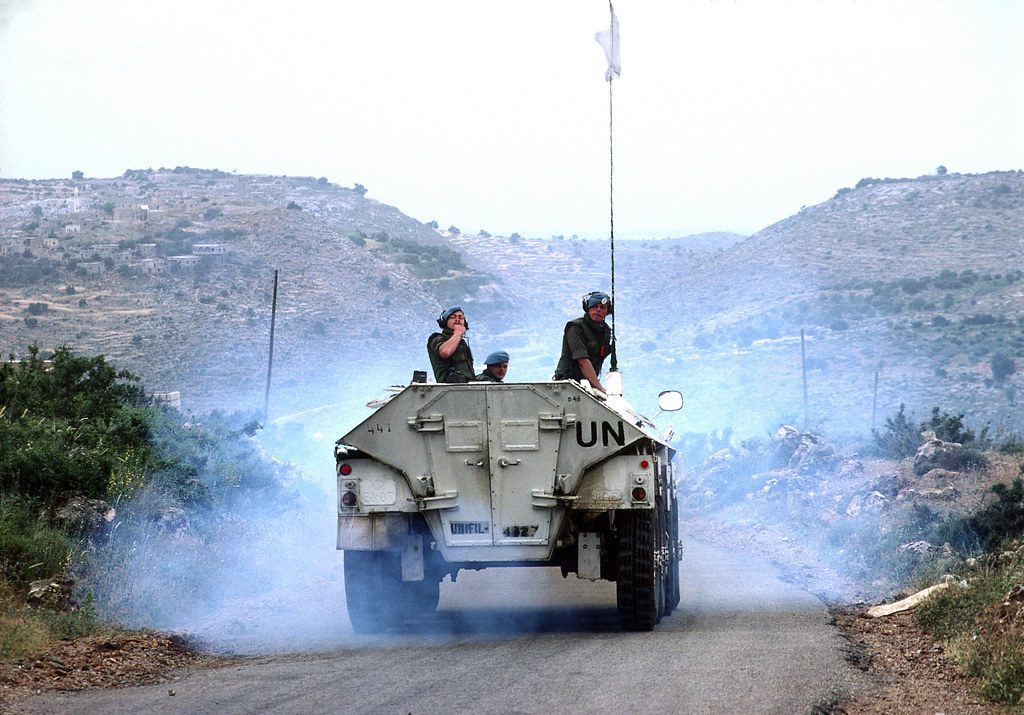
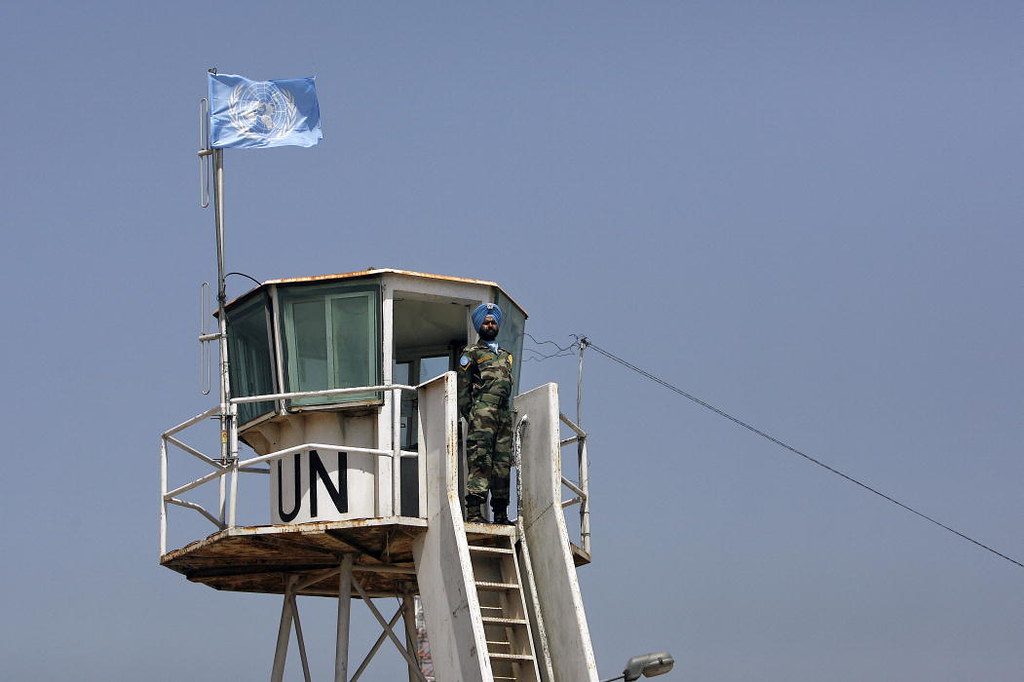
UNIFIL-documented violations of UNSC Resolution 1701 since November 2024. Under the April 17 ceasefire, UNIFIL recorded more than 1,296 Israeli military trajectories in just three days (May 8–11), with daily strikes continuing despite the formal truce.
4,000+
People killed since March 2 escalation
Deaths in Lebanon since Israel's expanded attacks began March 2, 2026, including civilians and combatants. Lebanon's Health Ministry reported 3,798 killed as of mid-June, including 247 children and 132 health workers; the total has since passed 4,000.
499,784
People currently displaced
Internally displaced persons in Lebanon as of July 2, 2026, per IOM's Displacement Tracking Matrix. An additional 646,107 who had been displaced have begun returning to their communities, though many southern villages remain unsafe or destroyed.
5 divisions
IDF divisions deployed in Lebanon
Five IDF divisions (36th, 91st, 98th, 146th, and 162nd) remain deployed in southern Lebanon. The June 26 framework commits to phased withdrawal from two pilot zones once Hezbollah disarmament is verified, but no specific locations or timetable have been set.
Images from Openverse under Creative Commons licenses.
Videos from YouTube.
Voices
Curated perspectives — historical figures and your fellow readers.
Ambrose Bierce
(1842-1914) ·Gilded Age · wit
Fictional AI pastiche — not real quote.
"A ceasefire, I observe, is that peculiar diplomatic instrument by which belligerents solemnly agree to continue killing one another under a more agreeable name. The peacekeeper, meanwhile, is defined as one dispatched to observe a peace that does not exist, there to be slain as proof of its absence."
0% found this insightful
Ever wondered what historical figures would say about today's headlines?
Sign up to generate historical perspectives on this story.
75 events
Latest: July 4th, 2026 · 2 months ago
Showing 8 of 75
JK to step
Tap a bar to jump to that date
Jump to
July 2026
Western Diplomats Privately Call Lebanon-Israel Deal a 'Non-Starter'
LatestDiplomatic
A report in The National cited diplomats and Lebanese officials across the political spectrum privately acknowledging the framework faces major obstacles. One Western diplomat called it a 'non-starter,' citing no withdrawal timetable, Hezbollah's exclusion from talks, and the risk that Iran's US negotiations produce different Lebanon terms.
June 2026
Iran, US, and Lebanon Agree to Form War Oversight Committee
Diplomatic
Iran announced that Iran, the US, and Lebanon had agreed to establish a committee to oversee the end of the war. As of July 4 the committee had not convened publicly.
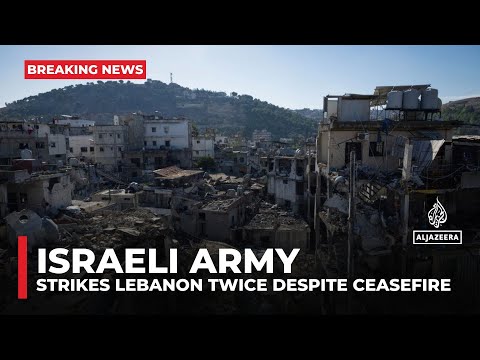
Israel Resumes Strikes on Southern Lebanon Two Days After Framework Signing
Military
Israel struck targets in southern Lebanon two days after signing the Trilateral Framework. The Health Ministry recorded at least one death — the first since the deal was signed — as protests against the agreement erupted inside Lebanon.
Hezbollah Rejects Framework as 'Null and Void' and 'Surrender of Sovereignty'
Political
Hezbollah Secretary-General Naim Qassem declared the Trilateral Framework 'null and void,' calling it 'humiliating, shameful, and a surrender of sovereignty'; he vowed his fighters would not leave the battlefield. Hezbollah was not a party to the agreement.
US, Israel, and Lebanon Sign Trilateral Framework Agreement
Diplomatic
Rubio announced the deal after five rounds of Washington talks, calling it a 'first step.' It commits Lebanon's army to deploy to pilot zones and disarm Hezbollah before Israel withdraws — with the US pledging $100 million in aid.
Fifth Round of Washington Talks Opens; Israel Presents Pilot Zone Withdrawal Maps
Diplomatic
Israel presented pilot zone maps at the fifth round of Washington talks, showing a south Lebanon strip — partly south of the Litani River, partly south of the Blue Line — where Israeli forces would withdraw and Lebanese army troops deploy under US supervision. Ambassador Yechiel Leiter, leading Israel's delegation, warned the two sides were heading toward a 'train wreck.' Lebanon's President Aoun said Beirut would accept nothing less than a full Israeli withdrawal.
Aoun Discusses 'Deconfliction Mechanism' With US VP Vance and Qatari PM
Diplomatic
Lebanese President Joseph Aoun spoke with US Vice President JD Vance and Qatar's prime minister about a 'deconfliction mechanism' to consolidate the ceasefire, ahead of the fifth round of Washington talks opening the next day.
Iran Re-Declares Strait of Hormuz Closed Over Israeli Lebanon Strikes; US Says Traffic Continues
International
Iran's armed forces announced the Strait of Hormuz was closed again — three days after it reopened under the Islamabad MOU — saying Israeli strikes in Lebanon showed US 'bad faith' in implementing the deal. US Central Command reported 55 ships transited on June 20 carrying more than 17 million barrels of oil, saying the waterway never closed.
Trump announced a fresh ceasefire between Israel and Hezbollah, set for 4pm local time, brokered by the US through Qatar and Iran. Iran canceled its participation in nuclear talks in Switzerland the same day, saying the fighting in Lebanon had to stop before talks could proceed. Al Jazeera correspondents reported continued Israeli air raids and shelling after the ceasefire deadline.
Israel Publishes First Official Map of Occupied Lebanese Territory
Political
Israel released a map showing the territory it occupies in southern Lebanon, covering most of the area south of the Yellow Line as well as Kfar Tibnit and Ali al-Taher. It was the first official Israeli cartographic claim to occupied Lebanese land since the March escalation began.
Israeli Strikes Kill at Least 47 in Southern Lebanon; Hezbollah Kills 4 IDF Soldiers
Military
Israel struck more than 80 Hezbollah targets in southern Lebanon as the Lebanese Health Ministry reported at least 47 killed and 97 wounded in overnight attacks. Hezbollah killed four Israeli soldiers in ground fighting, the IDF's highest single-day loss since early June.
Trump and Pezeshkian Sign Islamabad Memorandum at Versailles; 14-Point Framework Covers Lebanon
Diplomatic
Trump signed the Islamabad Memorandum during dinner with French President Macron at the Palace of Versailles; Pezeshkian signed remotely in Tehran. The 14-point MOU calls for a permanent halt to military operations on all fronts including Lebanon, reopens the Strait of Hormuz toll-free for 60 days, lifts US sanctions on Iranian oil exports, and launches 60 days of follow-on nuclear talks. Israel stated it would keep its forces in Lebanon despite the Lebanon provision.
IDF Soldier Killed; Hezbollah Repels Israeli Assault on Ali al-Taher Hill
Military
An Israeli soldier was killed in southern Lebanon on June 17; a colonel and lieutenant colonel were wounded. Hezbollah claimed to have repelled multiple IDF attempts to seize Ali al-Taher hill southeast of Nabatieh, saying it destroyed three Merkava tanks.
Trump at G7: Israel Is Fighting Hezbollah 'Too Long, Too Deadly'; Suggests Syria Should Take Over
Diplomatic
At the G7 summit in France, Trump said he was 'not happy' with how Israel was fighting in Lebanon and suggested Syrian President Ahmed al-Sharaa would do 'a better job' against Hezbollah. He criticized Israel for knocking down apartment buildings and said the war had gone on too long with too many deaths.
Trump Urges All Sides to 'Stand Down'; Israel Issues Displacement Orders for 29 More Towns
Diplomatic
After Israel's Dahiyeh strike, Trump posted on social media that the attack "should not have happened" on a day "we are so close to a Peace Deal" and urged all sides to stand down. Separately, Israel issued forced displacement orders for 29 towns — 25 in Nabatieh district and four in Sidon district — ordering residents to flee north of the Zahrani River.
Five Killed in South Lebanon Strikes; Mayor of Ar-Rihan Among the Dead
Military
Israeli attacks across south Lebanon killed at least five people on June 13, including Ali Badie, mayor of Ar-Rihan municipality in Jezzine district. One person was killed in an airstrike on Maarakeh in Tyre district.
Pakistan Announces Islamabad Declaration Text Agreed; Lebanon Ceasefire Reportedly Included, Netanyahu Kept in Dark
Diplomatic
Pakistan's PM Shehbaz Sharif announced on X that the US and Iran had reached final agreed text of the Islamabad Declaration — a 60-day MOU covering the reopening of the Strait of Hormuz, a ceasefire, and nuclear talks. The Times of Israel reported the MOU would include Lebanon in the ceasefire and that Netanyahu had learned about the terms through back channels rather than from Washington.
Human Rights Watch: 3,711 Killed Since March 2, Ongoing Displacement a Possible War Crime
International
Human Rights Watch reported that Israeli attacks had killed at least 3,711 people in Lebanon since March 2 — including 132 health workers and 247 children — and called the continued displacement and targeting of civilians possible war crimes. More than 1,300 of those deaths occurred after the April 17 ceasefire took effect.
Israeli Strikes Kill at Least 13 in South Lebanon
Military
Israeli strikes killed at least 13 people in southern Lebanon on June 10 as ground operations and air raids continued across the south, with Netanyahu facing mounting pressure from the Trump administration to scale back.
100-Day Milestone: 3,666 Killed Since March 2 Escalation
Humanitarian
June 9 marked 100 days since Israel's March 2 escalation. Al Jazeera tracked 3,666 killed and 11,321 wounded since then; Israeli forces had destroyed dozens of villages across southern Lebanon.
Iran Suspends Direct Strikes on Israel, Conditional on Lebanon Halt; IDF Orders Tyre Evacuation
International
Iran announced it was suspending its missile campaign against Israel after the June 7 bombardment, but warned it would resume if Israeli strikes in Lebanon continued. Israel accepted a US request to halt strikes on Iran but said Lebanon operations would go on. The IDF issued evacuation orders for areas near Tyre the same day.
Iran Fires Missiles at Israel for First Time Since April Ceasefire
International
Iran launched its first missiles at Israel since the April 8 US-Iran ceasefire, in retaliation for Israel's Dahiyeh strike earlier that day. Israel said all were intercepted with no casualties; Iran's IRGC threatened 'devastating attacks' against Israel and its supporters if strikes in Lebanon continued.
Israeli Drone Kills Lebanese Army Brigadier General and Two Soldiers Near Nabatieh
Military
An Israeli drone struck a Lebanese army vehicle on the Khardali-Nabatieh road, killing Brigadier General Wassam Sabra and two other soldiers — the first Lebanese army general killed in the conflict. The IDF put the incident under review; President Aoun and Prime Minister Nawaf Salam condemned the strike as a flagrant sovereignty violation.
Israeli Strikes Kill 21 in South Lebanon; Six Villages Ordered to Evacuate
Military
Israel killed at least 21 people across south Lebanon and ordered residents of Sarafand and five other villages to evacuate, striking a Hezbollah weapons storage facility in Al-Marwaniyah among other targets. Hezbollah claimed over 20 attacks on Israeli forces near Beaufort Castle.
Fourth Trilateral Talks End With Conditional Ceasefire Agreement and Pilot Zones Plan
Diplomatic
The two-day State Department talks ended with Israel and Lebanon agreeing to a conditional ceasefire: Hezbollah must halt all attacks and withdraw from south of the Litani. Both sides also agreed on pilot zones where the Lebanese Armed Forces take exclusive territorial control. They will reconvene the week of June 22 toward a comprehensive agreement.
Israeli Strikes Kill at Least 10 in South Lebanon as Ceasefire Deal Signed in Washington
Military
Israeli strikes hit Haddatha, Tibnin, Haris, and other towns in south Lebanon on the day talks concluded in Washington, killing at least 10 people. A separate strike hit a vehicle near Beirut.
Netanyahu and Katz Order IDF to Strike Beirut's Dahiyeh; Residents Flee
Military
Netanyahu and Defense Minister Israel Katz issued a joint order directing the IDF to strike Hezbollah's Dahiyeh stronghold in southern Beirut after Hezbollah rockets hit northern Israel including the Haifa area. Thousands fled the suburb by road as Israeli jets struck targets there.
IDF Soldier Killed in Hezbollah Drone Strike Near Beaufort Castle
Military
Staff Sgt. Adam Tzarfati, 20, of the Commando Brigade's Maglan Unit, was killed when a Hezbollah FPV drone struck a position near Yohmor, close to Beaufort Castle. Three other soldiers were wounded in the attack.
Iran's Araghchi: Israeli Strikes in Lebanon Violate US-Iran Ceasefire
International
Foreign Minister Abbas Araghchi said the US-Iran ceasefire covers 'all fronts including Lebanon' and warned that the US and Israel are 'responsible for the consequences' of any violation. The IRGC separately warned of a 'regretful response' if attacks on Lebanon do not stop.
Rubio Proposes De-Escalation Roadmap in Calls to Aoun and Netanyahu
Diplomatic
Secretary of State Marco Rubio proposed a roadmap to both sides: Hezbollah halts all attacks on Israel in exchange for Israel pausing further escalation in Beirut. President Aoun tried to advance the proposal; Parliament Speaker Nabih Berri said Israel must stop 'shooting first.'
Macron: 'Nothing Justifies' Israel's Escalation in Southern Lebanon
International
French President Emmanuel Macron condemned Israel's military advance, stating 'nothing justifies the major escalation currently underway in southern Lebanon' and calling for all weapons to fall silent.
IDF Doctor Killed, Seven Wounded in Hezbollah Drone Strike at Zawtar al-Sharqiyah
Military
Two Hezbollah FPV drones struck an IDF armored vehicle in Zawtar al-Sharqiyah at midday, killing Capt. Ori Yosef Silvester, 30, the Givati Brigade's Shaked Battalion doctor, from Tel Aviv. Seven other soldiers were wounded. He was the 14th IDF soldier killed in Lebanon since the April 17 ceasefire.
IRGC Quds Force Threatens to Shut Bab El-Mandab Over Israeli Lebanon and Gaza Operations
International
IRGC Quds Force commander Esmail Qa'ani warned that the Bab El-Mandab Strait would face the same traffic restrictions as the Strait of Hormuz if Israel continued attacks in Lebanon and Gaza. The threat extended Iran's pressure campaign from diplomatic warnings to the potential disruption of Red Sea shipping.
Guterres Proposes Three Post-UNIFIL Force Options as December Mandate Expiry Approaches
International
UN Secretary-General Antonio Guterres presented three force configurations to the Security Council, ranging from roughly 2,000 to more than 5,500 personnel. All three would continue monitoring the Blue Line and support the Lebanese Armed Forces after UNIFIL's mandate expires December 31, 2026.
May 2026
IDF Advances Within 5km of Nabatieh; 40+ Strikes in One Day
Military
Israeli forces advanced past Zawtar al-Sharqiyeh and Mayfadoun, reaching positions within five kilometers of Nabatieh. More than 40 strikes hit southern Lebanon — Israel's deepest ground advance since its withdrawal from Lebanon in 2000.
France Calls Israeli Operations 'Unjustifiable'; European Leaders Condemn IDF Advance
International
French Foreign Minister Jean-Noël Barrot called Israeli military operations in Lebanon 'unjustifiable.' European leaders issued coordinated condemnations. France separately requested an emergency UN Security Council meeting after Israel seized Beaufort Castle.
Strikes Kill 19 in Tyre and Deir El Zahrani; IDF Soldier Killed Near Zawtar
Military
Israeli strikes on Tyre killed 11 people including a rescuer. Separate strikes on Deir El Zahrani killed eight more. An IDF soldier was killed in ground fighting near Zawtar al-Sharqiyeh.
Pentagon Security Track Opens: First Military-to-Military Talks Between Israel and Lebanon
Diplomatic
Israeli and Lebanese military delegations met at the Pentagon in the first direct military-to-military session, as agreed during the May 15-16 Washington talks. The session focused on ceasefire enforcement, Israeli withdrawal, and border monitoring.
Six Family Members Killed Fleeing on Adloun Highway
Humanitarian
An Israeli drone struck a vehicle on the Adloun Highway at dawn, killing six members of the same family who were fleeing south Lebanon. Lebanese health authorities reported at least 16 people killed across southern Lebanon on the same day.
Israel Strikes Beirut Suburb of Choueifat, First Attack Near Capital Since May 6
Military
An Israeli airstrike hit an apartment building in Choueifat, south of Beirut, killing three civilians—a woman, her infant daughter, and a Syrian child—and wounding 15 others. The stated target was Ali al-Husni, head of the missile unit of the Imam Hossein Division, an Iranian-backed militia working alongside Hezbollah; whether he was killed was unconfirmed.
Israel Orders Mass Evacuation of All South Lebanon; Qasmiyeh Bridge Destroyed
Humanitarian
Israel declared all of Lebanon south of the Zahrani River a combat zone and ordered mass evacuation, covering roughly 14-18% of Lebanon's territory. Hours after the order, Israeli forces struck Tyre, and the IDF destroyed the Qasmiyeh Bridge, the main road crossing over the Litani River.
Israeli Ground Forces Cross North of Litani River; 100+ Hezbollah Sites Struck
Military
Israeli ground forces expanded operations north of the Litani River, past the ceasefire's original boundary. The IDF struck more than 100 Hezbollah sites across southern Lebanon and the Beqaa Valley, including near the Qaraoun Dam. At least 34 people were killed.
Netanyahu Orders IDF to 'Press the Pedal Even Harder' Against Hezbollah
Military
Prime Minister Netanyahu ordered the IDF to intensify strikes against Hezbollah, declaring Israel 'at war' and directing the military to 'press the pedal even harder.' Israeli strikes killed 34 people in Lebanon; Hezbollah fired rockets toward Haifa and a drone struck a home in Metula.
IDF Soldier Killed; Israel Orders Evacuation of 10 South Lebanon Villages
Military
An IDF soldier was killed and another seriously wounded in southern Lebanon. Israel issued evacuation orders for 10 villages, mostly in the south, and drone strikes on vehicles near Nabatieh killed at least three people.
Israeli Strikes Wound 37 in Tyre; Hezbollah Fires SAM at Israeli Drone
Military
Israeli strikes in the Tyre area wounded 37 people, including nine women and four children, according to Lebanon's health ministry. Hezbollah fired a surface-to-air missile at an Israeli drone over the Beqaa Valley and missed.
Israeli Strikes Kill Six Paramedics and Syrian Child in Tyre District
Military
Israeli attacks in the Tyre district killed at least 10 people, including six paramedics from two humanitarian organizations and a Syrian child. Four paramedics from the Islamic Health Association died in Hanouiyeh; a second strike in Deir Qanoun al-Nahr killed two more paramedics alongside the child.
An explosive Hezbollah drone struck Col. Meir Biderman, commander of the IDF's 401st Armored Brigade, in southern Lebanon, fracturing his skull. Biderman is the most senior Israeli officer wounded in Lebanon during the conflict.
Israeli Strike Kills 12 in Deir Qanoun al-Nahr; IDF Major Killed in Qaouzah
Military
An Israeli airstrike on Deir Qanoun al-Nahr killed six men, three women, and three children. An IDF major was killed the same day after Hezbollah militants opened fire from a disused church in Qaouzah.
Lebanon's health ministry reported deaths from the March 2 escalation passed 3,000. Hezbollah claimed a drone strike on a vehicle belonging to an IDF brigade commander.
Israeli Strike Kills Palestinian Islamic Jihad Commander in Baalbek
Military
An Israeli airstrike in Baalbek killed a Palestinian Islamic Jihad commander alongside his 17-year-old daughter.
Israel Strikes 20+ Villages After Ceasefire Extension; Civil Defence Centre Hit in Hanouiyeh
Military
Israel struck more than 20 villages in southern Lebanon the day after the 45-day ceasefire extension was announced, including a Civil Defence centre in Hanouiyeh near Tyre that killed six people—three of them paramedics—and wounded 22. The army also issued evacuation orders for nine villages; one strike hit a location more than 50 kilometres from the border.
UNIFIL Records 1,296 Israeli Strikes in Three Days; 87 Killed Over Weekend
International
UNIFIL reported that peacekeepers observed more than 1,296 trajectories attributed to Israeli forces and 64 attributed to Hezbollah over the prior three days, with 87 people killed over the weekend. UNIFIL said incidents denying peacekeepers freedom of movement were occurring daily.
Israeli Air Raids Kill 20 in Southern Lebanon, Including Civil Defence Worker
Military
Israeli airstrikes killed at least 20 people across southern Lebanon, including a civil defence rescuer, according to Lebanese state media. One strike hit Toura in Tyre district, killing four people including two women and wounding eight others.
IDF and Hezbollah Clash Near Litani River as Strikes Kill 17
Military
Israeli strikes killed 17 people in Lebanon as ground fighting erupted near the Litani River: Israeli forces tried to advance from Deir Siryan toward Zawtar Sharqieh and came under Hezbollah fire. Hezbollah claimed multiple attacks on IDF personnel, tanks, and equipment throughout the day.
Israeli Strikes Kill 20 in 24 Hours Despite Ceasefire
Military
Israeli airstrikes killed approximately 20 people in Lebanon in a 24-hour period as daily strikes continued across southern Lebanon despite the extended ceasefire. Hezbollah reported carrying out multiple attacks on IDF positions in southern Lebanon.
April 2026
Trump Announces Three-Week Ceasefire Extension to May 17
Diplomatic
President Trump announced at the White House that Israel and Lebanon had agreed to a three-week extension, pushing the ceasefire deadline to May 17. High-level delegations from both countries met with Trump, Vice President Vance, and Secretary of State Rubio; fighting between Israel and Hezbollah continued the same day.
French UNIFIL Peacekeeper Killed in Deir Kifa Attack
International
A French soldier was killed by gunfire and three others were wounded in an attack on a UNIFIL patrol in Deir Kifa, two days after the ceasefire took effect. A second wounded French peacekeeper died on April 22 from injuries sustained in the same assault.
US-Brokered Ceasefire Takes Effect
Diplomatic
A 10-day cessation of hostilities brokered by the United States began, intended to halt active fighting between Israel and Hezbollah and create conditions for broader negotiations. Hezbollah called the truce 'meaningless' and did not formally endorse it.
March 2026
Two Indonesian UNIFIL Peacekeepers Killed in Southern Lebanon
International
An explosion struck a UNIFIL logistics convoy in southern Lebanon, killing two Indonesian peacekeepers—Zulmi Aditya Iskandar and Muhammad Nur Ichwan—and injuring others. It was the first of multiple peacekeeper deaths in the weeks surrounding the April ceasefire.
Lebanon Warns of Looming Humanitarian Disaster Amid Expanded Israeli Attacks
Political
Lebanese authorities reported at least 217 people killed, 798 wounded, and more than 95,000 displaced since Israel expanded its attacks, as the prime minister warned of a looming humanitarian disaster and former leaders backed placing war-and-peace decisions solely in state hands.
UN and Rights Groups Condemn Israeli Blanket Displacement Orders
International
UN human rights officials and Amnesty International criticized Israel’s sweeping evacuation and displacement orders in Lebanon as disproportionate and a source of acute humanitarian suffering, urging protection of civilians and respect for international law.
UNIFIL Warns Over Escalating Ceasefire Violations and Evacuation Orders
International
UN peacekeepers in Lebanon said they were seriously concerned by Israeli demands that civilians evacuate from large areas in the south and the Bekaa, and by airstrikes within their area of operations, calling the actions clear violations of Security Council resolutions.
Hezbollah Resumes Cross-Border Attacks After Khamenei Killing
Military
Hezbollah launched a series of rocket and drone attacks into Israel, framing them as retaliation for the killing of Iranian Supreme Leader Ali Khamenei, ending more than a year of restraint under the 2024 ceasefire.
Israel Issues Mass Evacuation Orders Across Southern Lebanon and Beirut Suburbs
Humanitarian
The Israeli military ordered residents of more than 50 villages in southern Lebanon, parts of the Bekaa Valley, and Beirut’s southern suburbs to evacuate, triggering panic and mass flight as rights groups warned of disproportionate and overly broad measures.
Israeli Airstrikes Kill Dozens and Displace Thousands Across Lebanon
Military
Intense Israeli airstrikes on southern Lebanon, the Bekaa Valley, and Beirut’s southern suburbs killed at least 52 people and wounded 154, with authorities reporting more than 28,500 people forcibly displaced from their homes.
February 2026
Israeli Drone Strike Kills Three in Yanouh, Including Child
Military
Israeli drone struck a car in Yanouh, killing Hezbollah artillery commander Ahmad Salami, a three-year-old child named Ali Jaber, and the child's father Hassan Jaber. Israel said it was reviewing claims of civilian deaths.
January 2026
Lebanon Files UN Complaint Against Israeli Violations
Diplomatic
Lebanese government filed formal complaint documenting 6,256 Israeli violations over three months, calling them a clear violation of UN Security Council Resolution 1701.
The UN peacekeeping force announced it had documented over 10,000 Israeli violations of the ceasefire, including 8,100 air violations and 2,600 ground incursions.
November 2025
Israel Kills Hezbollah Military Chief in Beirut
Military
Israeli strike on Beirut killed Haytham Ali Tabatabai, Hezbollah's chief of staff, and at least four others. The attack came nearly one year into the ceasefire.
February 2025
UN Warns Israel Must Stop Killing Returning Civilians
International
UN experts issued a statement demanding Israel stop killing Lebanese civilians attempting to return to their homes in the south.
January 2025
Joseph Aoun Elected Lebanese President
Political
Former army general Joseph Aoun became Lebanon's 14th president, ending a two-year vacancy. He announced Hezbollah disarmament as a key goal.
November 2024
US-Brokered Ceasefire Takes Effect
Diplomatic
A ceasefire agreement signed by Israel, Lebanon, and five mediating countries took effect. Terms required Israeli withdrawal from Lebanon and Hezbollah withdrawal north of the Litani River within 60 days.
October 2024
Naim Qassem Named Hezbollah Secretary-General
Leadership
Hezbollah elected Naim Qassem as its fourth secretary-general after Israel killed both Nasrallah and his expected successor Hashem Safieddine.
Israel Launches Ground Invasion of Southern Lebanon
Military
Israeli ground forces entered southern Lebanon, marking a major escalation. The IDF would suffer its first casualties on October 2, with eight soldiers killed in one incident.
September 2024
Israel Kills Hezbollah Leader Hassan Nasrallah
Military
Israeli jets dropped over 80 bombs on Hezbollah's underground headquarters in Beirut, killing longtime leader Hassan Nasrallah and at least 32 others. Nasrallah had led the group for 32 years.
Scenarios
1
Status Quo Persists: Low-Intensity Strikes Continue Indefinitely
Likely
Discussed by: International Crisis Group, Al Jazeera analysts
Israel continues targeted strikes against Hezbollah personnel and infrastructure while Hezbollah refrains from retaliation, creating a new normal of one-sided violence. The ceasefire technically holds because Hezbollah doesn't respond, but Israel treats Lebanese territory as a permissive environment for counterterrorism operations. Civilians bear the ongoing cost, and the core issues—Israeli withdrawal and Hezbollah disarmament—remain unresolved for years.
2
Escalation: Strike Triggers Hezbollah Retaliation and Full Conflict
Possible
Discussed by: Wilson Center, Atlantic Council analysts
A strike that causes particularly egregious civilian casualties or kills a senior Hezbollah figure pushes the group to retaliate, breaking its restraint. Cross-border rocket fire resumes, Israel launches a larger military operation, and the ceasefire collapses entirely. Lebanon faces another devastating war before having recovered from the last one.
3
Diplomatic Resolution: Full Implementation of Ceasefire Terms
Unlikely
Discussed by: Washington Institute, Lebanese government officials
International pressure—possibly tied to a broader regional agreement—forces both sides to comply with ceasefire terms. Israel withdraws its remaining forces, Hezbollah begins a phased disarmament process under Lebanese state control, and UNIFIL successfully monitors compliance. This would require significant US and French diplomatic engagement and likely a change in Israeli government policy.
4
Ceasefire Extended Again: Washington Talks Buy More Time
Likely
Resolves by May 18, 2026
Discussed by: Al Jazeera, NPR, Council on Foreign Relations analysts
The May 17 deadline passes with another US-backed extension as the Washington talks continue. Israel and Lebanon agree to a further truce while negotiating over Israeli withdrawal timelines, Lebanese prisoner release, and Hezbollah disarmament. Fighting continues at reduced intensity but the formal framework holds.
5
Ceasefire Collapses: Full-Scale Fighting Resumes After May 17
Possible
Resolves by May 20, 2026
Discussed by: Al Jazeera, Middle East Monitor analysts
Negotiations in Washington fail to produce a framework both sides accept and the May 17 deadline expires without renewal. Hezbollah resumes large-scale rocket fire and Israel launches a major ground push, triggering the most intense phase of the conflict since March 2.
6
Pentagon Security Track Produces a Border Framework Before Late June Deadline
Unlikely
Resolves by Jun 29, 2026
Discussed by: US State Department, Bloomberg, Times of Israel
Military delegations from Israel and Lebanon meet at the Pentagon on May 29 and establish a working framework covering border monitoring and a phased Israeli withdrawal before the 45-day extension expires. The political track on June 2-3 then translates this into a formal agreement. Success requires Israel to accept a withdrawal timetable and Lebanon to present a credible Hezbollah disarmament plan—neither of which has been offered yet.
7
Israel Establishes a Permanent Buffer Zone North to the Zahrani River
Possible
Resolves by End of 2026
Discussed by: International Crisis Group, Al-Monitor analysts, Lebanese government officials
Having crossed the Litani and declared the entire south a combat zone, Israel consolidates control over the area between the Litani and Zahrani rivers, establishing a new de facto occupation zone. Hezbollah continues harassing attacks but cannot dislodge Israeli forces. The arrangement echoes Israel's 1978-2000 Security Zone but covers far more territory.
8
Iran Enters Lebanon Conflict Directly as US-Iran Ceasefire Fractures
Possible
Resolves by Jul 1, 2026
Discussed by: Al Jazeera, Yeni Safak, Times of Israel analysts citing Iranian Foreign Ministry and IRGC statements
If Israel's strikes in Lebanon are deemed by Tehran to have definitively broken the US-Iran ceasefire, Iran could authorize direct IRGC action or direct Hezbollah to launch a full-scale military response. Araghchi stated on June 1 that the truce covers all fronts; the IRGC warned of a 'regretful response.' A direct Iranian intervention would collapse the US-Iran ceasefire framework and pull Washington into a simultaneous multi-front war.
9
Pilot Zones Deploy: Lebanese Army Takes Control of Southern Enclaves
Possible
Resolves by Jul 31, 2026
Discussed by: US State Department, Times of Israel, Al Jazeera
Israel and Lebanon begin implementing pilot zones where the Lebanese Armed Forces take exclusive control of designated areas, pushing out Hezbollah operatives. Hezbollah resists diplomatically but does not openly fight the Lebanese army. The zones become a working model for state sovereignty in the south even as fighting continues elsewhere. The June 22 talks formalize and expand the concept.
10
Israel Retaliates Against Iran, Collapsing the US-Iran Ceasefire
Possible
Resolves by Jun 22, 2026
Discussed by: Axios, Bloomberg, NPR reporting on Iranian and Israeli officials
Iran's June 7 missile attack on Israel — its first since the April 8 ceasefire — creates a direct escalation ladder. If Israel strikes Iranian territory in response, the US-Iran ceasefire framework collapses. That would trigger broader IRGC action and end any prospect of June 22 talks.
11
Islamabad Declaration Signed With Lebanon in 60-Day Ceasefire
Possible
Resolves by Jul 1, 2026
Discussed by: Times of Israel, CNBC, NBC News, Al Jazeera citing US, Iranian, and Pakistani officials
The US and Iran sign the Islamabad Declaration with Lebanon explicitly included in the 60-day ceasefire. Hezbollah pauses attacks and Israel halts Lebanon strikes under US pressure. The June 22 talks then formalize the Lebanon provisions, marking the first time since March 2 that all parties stop fighting simultaneously.
12
Pilot Zone Agreement Finalizes; Israeli Withdrawal Begins in South Lebanon
Possible
Resolves by Aug 17, 2026
Discussed by: US State Department, Reuters, Times of Israel, The Diplomatic Insight
The fifth round of Washington talks produces an agreed pilot zone map. Israeli forces withdraw from the designated strip south of the Litani River, and Lebanese army troops — US-trained and vetted to confirm no Hezbollah links — move in under US supervision. Both sides treat the pilot zone as a template for the broader southern Lebanon handover, advancing toward a full deal before the Islamabad MOU's 60-day clock expires.
Iran maintains the Strait of Hormuz closure it declared on June 20 and refuses to reopen it until Israel halts Lebanon strikes. Oil prices rise and global shipping slows. The US faces a choice between pressuring Israel more forcefully or watching the Islamabad MOU's central economic provision — toll-free Hormuz passage — collapse. A sustained closure would also freeze the nuclear negotiations Iran has already suspended once.
14
Framework Collapses: Hezbollah Rejection and Israeli Strikes Kill the Deal
Likely
Resolves by Q3 2026
Discussed by: The National, Al Jazeera, The New Arab analysts; Western diplomats quoted anonymously
Hezbollah declared the June 26 framework null and void, Israel resumed strikes within two days of signing, and Western diplomats are privately calling it a non-starter. No pilot zones get designated, Lebanon's army never deploys, and the conflict continues at the same intensity as before. Lebanon's government is left having signed a deal it cannot enforce.
15
Iran Folds Lebanon Into US-Iran Talks, Bypassing the June 26 Framework
Possible
Resolves by Oct 31, 2026
Discussed by: Al Jazeera, The Soufan Center, Washington Institute analysts
Iran pushes to include Lebanon in its bilateral negotiations with the US — a process Hezbollah backs because it doesn't require Hezbollah disarmament as a precondition. If the US and Iran agree on Lebanon terms that differ from the June 26 deal, the Trilateral Framework becomes redundant and negotiations restart under new terms.
Historical Context
2 moments from history that rhyme with this story — and how they unfolded.
1 of 2
1992-2008
Israeli Targeted Killings in Lebanon (1990s-2000s)
Israel conducted dozens of targeted killings of Hezbollah and Palestinian leaders in Lebanon during and after the Lebanese Civil War. These included car bombs, helicopter strikes, and commando raids that frequently caused civilian casualties.
Then
Individual operations disrupted Hezbollah's command structure temporarily but did not prevent the group's growth.
Now
Hezbollah adapted by dispersing leadership and building redundant command structures. The killings became a persistent source of Lebanese grievance against Israel.
Why this matters now
Israel's current campaign of strikes against Hezbollah personnel continues a decades-long practice of treating Lebanese territory as a permissive zone for counterterrorism operations, regardless of ceasefire agreements.
2 of 2
July-August 2006
2006 Lebanon War and UN Resolution 1701
A 34-day war between Israel and Hezbollah killed over 1,100 people in Lebanon and displaced one million. Israel dropped 7,000 bombs on southern Lebanon; Hezbollah fired 4,000 rockets at northern Israel. The war ended with UN Security Council Resolution 1701, which called for Hezbollah disarmament and Israeli withdrawal.
Then
Ceasefire held. UNIFIL expanded to 15,000 troops. Lebanese army deployed to the south for the first time in decades.
Now
Hezbollah never disarmed, instead building the world's largest non-state arsenal. Israel conducted near-daily airspace violations. The resolution's core provisions went unimplemented for 18 years.
Why this matters now
The 2024 ceasefire echoes 1701's structure—international monitoring, mutual withdrawal, Hezbollah disarmament—and is following a similar pattern of partial compliance and one-sided violations.