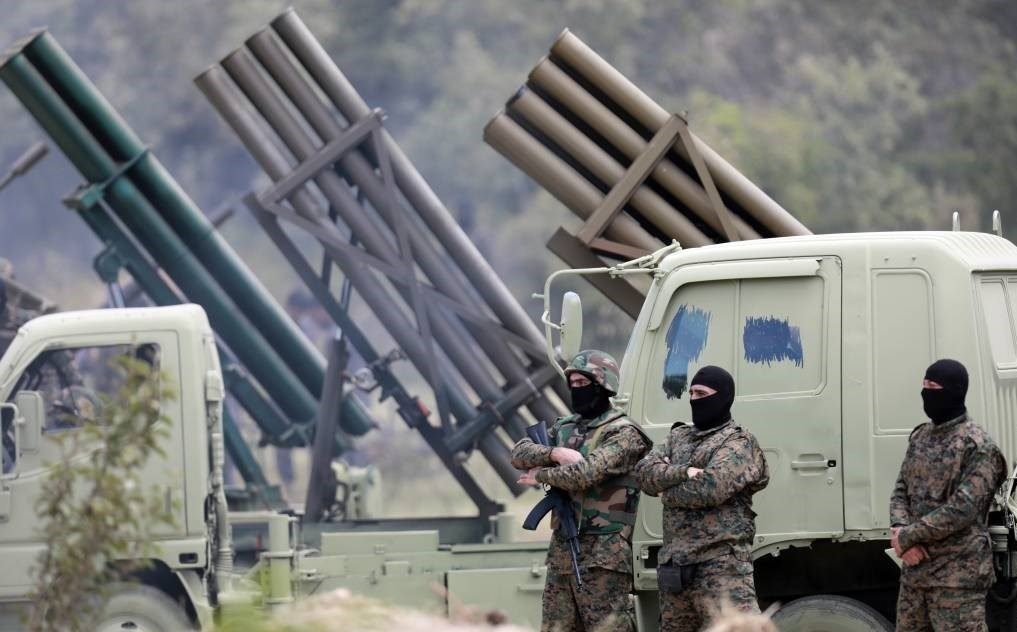
The November 2024 ceasefire collapsed on March 2, 2026, after US-Israeli strikes killed Iranian Supreme Leader Ali Khamenei, prompting Hezbollah to resume rockets and Israel to launch a ground invasion with five divisions. By late June 2026, the war had killed over 4,000 people in Lebanon and displaced more than a million, with Israeli forces occupying roughly 580 square kilometers of territory.
A new ceasefire brokered by the US, Qatar, and Iran took effect on June 19, 2026, though Israel struck southern Lebanon dozens more times that day, killing 83 people. One week later, the US, Israel, and Lebanon signed a trilateral framework in Washington establishing a Military Coordination Group for Lebanon (MCG4L) and committing Israel to withdraw from two southern positions. Hezbollah rejected the agreement, with leader Naim Qassem demanding Israel leave Lebanon 'unconditionally' and warning 'our hands are on our weapons.'
Why it matters
If the trilateral framework fails, Lebanon loses its best shot at sovereignty since 2006—and Hezbollah remains armed, entrenched, and waiting.
Questions about this story
Free account needed to ask — your question is kept and asked for you right after sign-up. Answers are public.
No questions yet — be the first to ask.
Key Indicators
4,500+
Killed since November 2024 ceasefire
Over 4,000 people killed in Israel's March–June 2026 invasion of Lebanon, on top of 450+ killed during the preceding ceasefire-violations period
580 sq km
Lebanese territory under Israeli occupation
IDF deployed five divisions and occupied 570–600 square kilometers of southern Lebanon by the June 2026 ceasefire
7
UN peacekeepers killed since March 2026
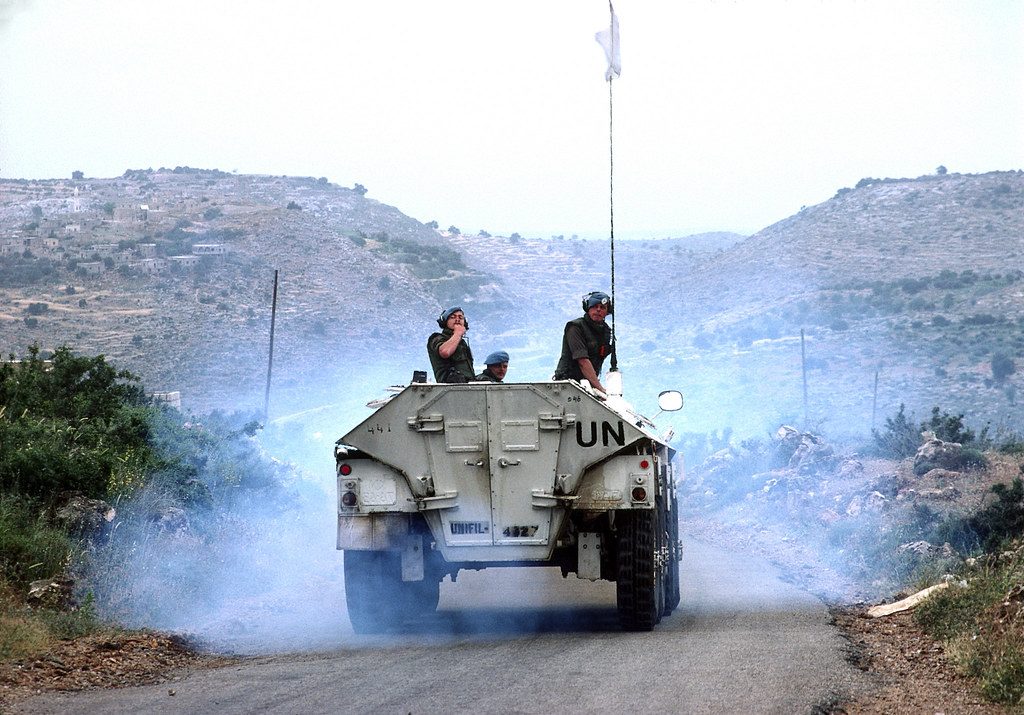
Seven UNIFIL peacekeepers died during the 2026 Lebanon war, including Serbian Sgt. Milovan Jovanivić killed by mortar fire near Marjayoun on June 3
Hours after the US, Israel, and Lebanon signed the trilateral framework in Washington, Hezbollah Secretary-General Naim Qassem rejected it in a televised address. He demanded Israel leave Lebanon 'unconditionally,' warned 'our hands are on our weapons,' and refused any normalization with Israel.
IDF Strikes 70+ Targets; Mayor Killed; Lebanese Army Withdraws from Kfar Tibnit
Military
Israeli forces strike more than 70 targets in southern Lebanon, killing at least five people including Ar-Rihan municipality mayor Ali Badie. The Lebanese army begins withdrawing from Kfar Tibnit as IDF ground operations push into the surrounding area.
Eight Killed in Israeli Strike on Tyre Neighborhood
Military
Israeli forces strike the Al-Masaken neighborhood in the coastal city of Tyre, killing eight and wounding 32. The attack comes as the war marks roughly 100 days of fighting.
Serbian UNIFIL Peacekeeper Killed Near Marjayoun
Military
Sgt. Milovan Jovanivić, a Serbian UNIFIL peacekeeper, dies after mortar fire strikes UN position 7-2 near Marjayoun. Two others are wounded. He is the seventh UN peacekeeper killed since the 2026 Lebanon war began on March 2.
May 2026
IDF Seizes Beaufort Castle
Military
Israeli forces capture Beaufort Castle, a medieval hilltop fortress with commanding views over southern Lebanon and a symbol of the 1982–2000 Israeli occupation. The seizure comes as Israel tightens its encirclement of Nabatieh.
Israel Orders Nabatieh Evacuation; Near-Continuous Shelling Follows
Military
The IDF orders the forced displacement of Nabatieh—southern Lebanon's fifth-largest city—and strikes the surrounding area with near-continuous artillery on May 27, including direct hits on a cemetery inside city limits.
Six Lebanese Paramedics Killed in Two Separate Attacks
Military
Six Lebanese civil defense paramedics are killed in two separate Israeli attacks, adding to an documented pattern of strikes on medical and rescue personnel.
Deadliest Stretch of 2026 War: 40+ Killed Daily in Early May
Military
Israeli strikes kill over 40 people on both May 1 and May 2, 20 on May 3, and 17 on May 4—among the deadliest single-day tolls of the conflict.
April 2026
Major Israeli Attack Wave Across Lebanon
Military
One of the largest single-day Israeli attack waves of the 2026 war strikes Hezbollah positions and infrastructure across Lebanon.
Israel sends additional forces into southern Lebanon. Division 162 begins operations to widen the occupation zone despite growing international opposition to the invasion.
Israeli Ground Invasion of Lebanon Begins
Military
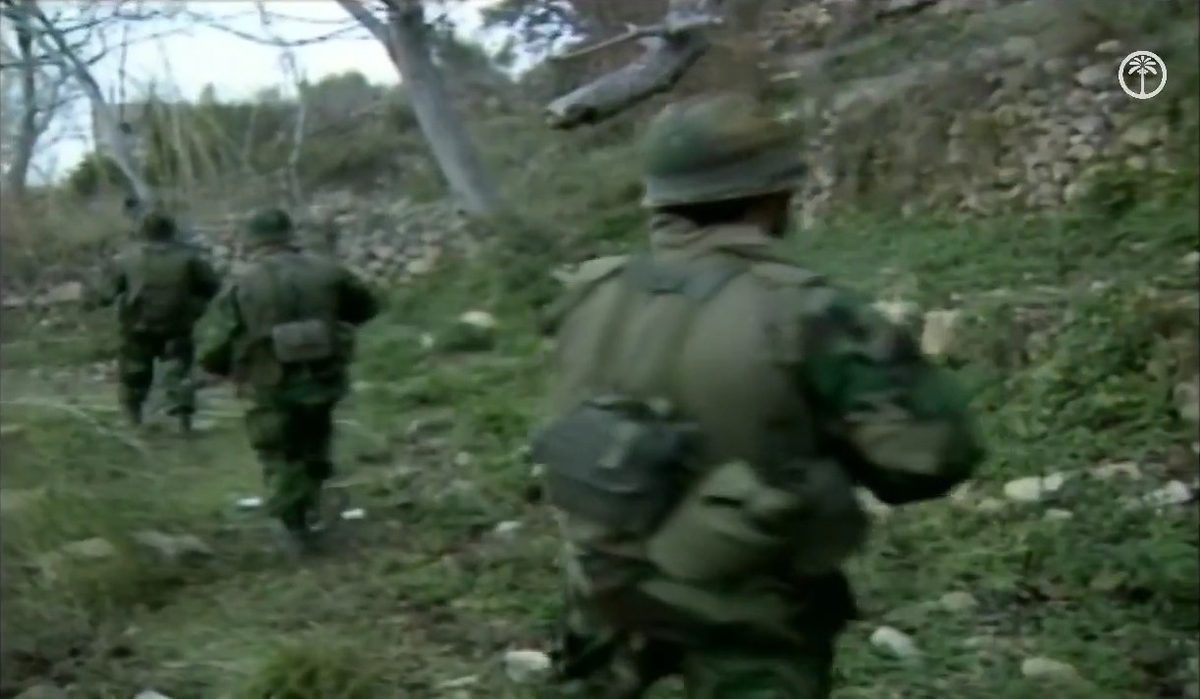
Israel launches a ground invasion of southern Lebanon with five divisions. IDF operations eventually extend Israeli military control to roughly 580 square kilometers of Lebanese territory.
2026 Lebanon War Begins
Military
Israel launches airstrikes across Lebanon, including Beirut, in response to Hezbollah's renewed rocket campaign. The attacks mark the formal start of the 2026 Lebanon war—a resumption of major fighting paused by the November 2024 ceasefire.
US and Israeli forces launch nearly 900 strikes on Iran in 12 hours under Operation Epic Fury, killing Supreme Leader Ali Khamenei and top security officials. Iran fires retaliatory missiles and drones across the region and blocks the Strait of Hormuz. Hezbollah immediately resumes rocket fire into Israel.
Israeli Strikes Kill One in Talousa and Hanine
Military
IDF drone strike in Talousa (Marjayoun) kills one Lebanese citizen; separate strike near Hanine targets Hezbollah operative and injures one in vehicle attack. LAF Commander Haykal requests 4-8 months for Phase 2 disarmament from cabinet.
Israel Strikes Palestinian Islamic Jihad in Bekaa Valley
Military
Israeli airstrike on vehicle in Majdal Anjar kills four, including Syrian national; IDF confirms targeting PIJ operatives.
IDF Operations Kill One Hezbollah Operative
Military
Israeli operations Feb 2-8 kill one Hezbollah operative and wound eight; includes drone strike in Ansariyeh killing Abbas Ahmad Ghadboun.
LAF Prepares Phase 2 Disarmament Presentation
Policy
Army Commander Haykal to present Phase 2 plan for north of Litani to cabinet; US aid tied to progress.
UNIFIL Drones Drop Stun Grenade Near Patrol
Military
Peacekeepers near Kafer Kela fire defensively at aggressive Israeli drones; one drops stun grenade 50m away. No injuries.
IDF Drops Chemical Substance Near Blue Line
Military
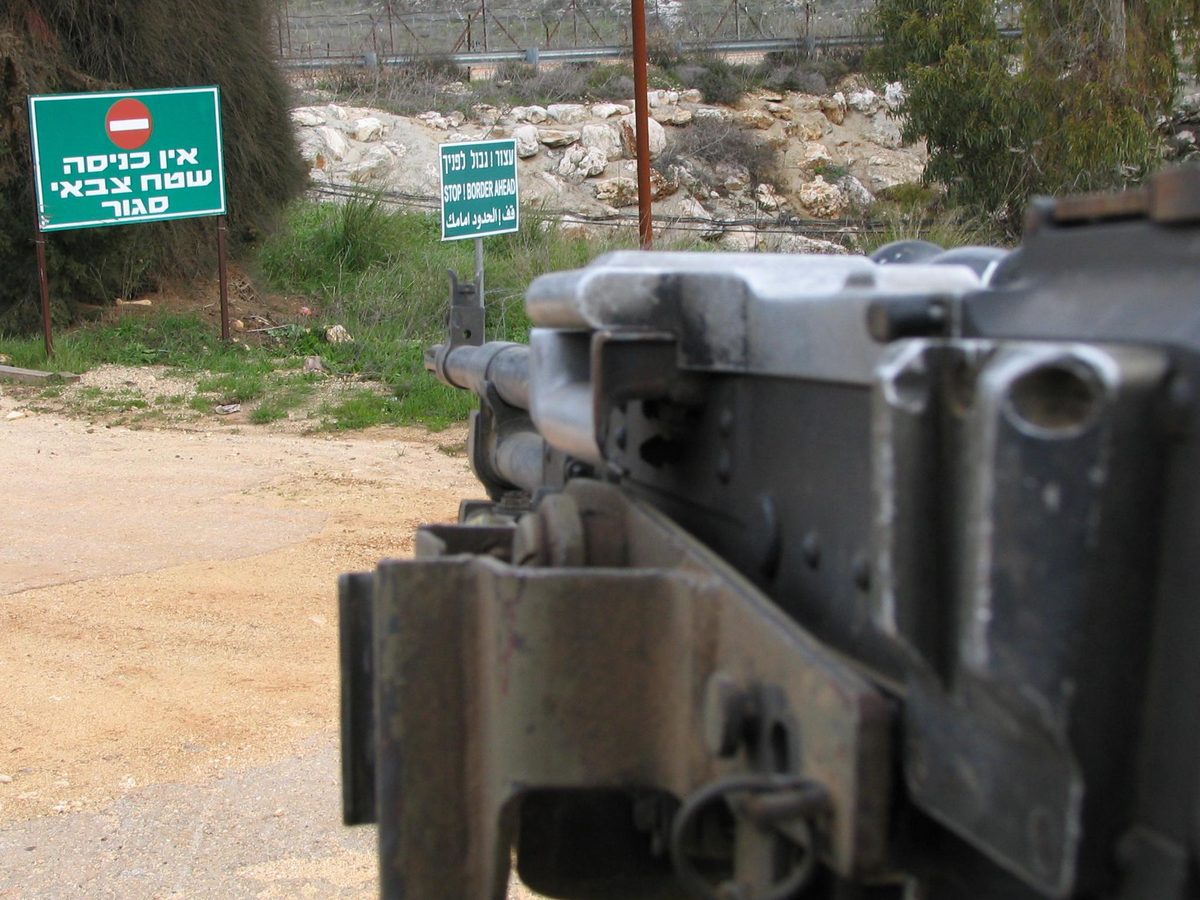
Israeli aircraft drop non-toxic chemical near Blue Line, suspending UNIFIL patrols for 9+ hours; LAF tests samples for toxicity. UNIFIL condemns as 1701 violation.
January 2026
Israeli Strike Kills Al-Manar TV Presenter
Military
Israeli airstrike on southern Lebanese city of Tyre kills television presenter working for Hezbollah-affiliated Al-Manar TV station, raising concerns about targeting of media workers.
Lebanon Files UN Complaint Over Ceasefire Violations
Diplomatic
Lebanon formally files complaint with United Nations documenting 2,036 Israeli breaches of sovereignty in final three months of 2025, protesting repeated ceasefire violations and daily attacks.
Wave of Israeli Attacks Kills Two
Military
Series of Israeli strikes across Lebanon kills two people in latest ceasefire violations, part of near-daily attack pattern continuing since November 2024 truce.
Israeli Forces Fire on Lebanese Army with UNIFIL
Military
Israeli forces open fire on Lebanese army unit operating alongside UN peacekeepers in southern Lebanon, marking escalation in attacks on Lebanese state forces implementing ceasefire.
Israeli Strike Kills One in South Lebanon
Military
Israeli strike on vehicle in Mansuri kills one person. Previous day's strike in Zawtar al-Sharqiyah killed Hezbollah operative allegedly involved in rebuilding terror infrastructure.
Drone Grenade Dropped Near UNIFIL Peacekeepers
Military
Israeli drone drops grenade 30 meters from UNIFIL peacekeepers during patrol near Adeisse. Two illuminating flare mortar rounds hit UN position southwest of Yaroun. UNIFIL observes Israeli Merkava tanks moving deeper into Lebanese territory near Sarda.
IDF Strikes Radwan Force Sites Across Lebanon
Military
Israeli jets hit Hezbollah training sites and weapons depots in Bekaa Valley and southern villages, one of the largest escalations since the ceasefire began.
Israeli Mortar Rounds Hit UNIFIL Position
Military
Two illuminating flare mortar rounds hit helipad and main gate of UN position southwest of Yaroun. UNIFIL states such IDF activities put civilians at risk and violate UNSCR 1701.
Israeli Tank Fires Near UNIFIL, Tracks Peacekeepers
Military
Israeli tank fires three shells landing 150 meters from UNIFIL peacekeepers, then continuously tracks retreating peacekeepers with laser targeting. UNIFIL warns attacks on identifiable peacekeepers are becoming disturbingly common.
Lebanon Announces Phase 1 Complete
Policy
Lebanese army declares operational control south of Litani. Netanyahu says progress is "far from sufficient."
Israel Strikes Bekaa Valley Targeting Hezbollah and Hamas
Military
Israeli airstrikes hit targets in Bekaa Valley near Hermel, 87 miles from Israeli border, targeting alleged Hezbollah and Hamas infrastructure in escalation of strikes beyond border zone.
November 2025
One Year Since Ceasefire: 669 Strikes
Assessment
By the first anniversary, IDF has conducted 669 strikes against Hezbollah in Lebanon and killed 218 operatives.
September 2025
Lebanon Adopts Homeland Shield Plan
Policy
Cabinet adopts five-phase disarmament roadmap. Phase 1 covers area south of Litani; Phase 5 covers northern Lebanon.
August 2025
UNIFIL Mandate Renewed for Final Time
Diplomatic
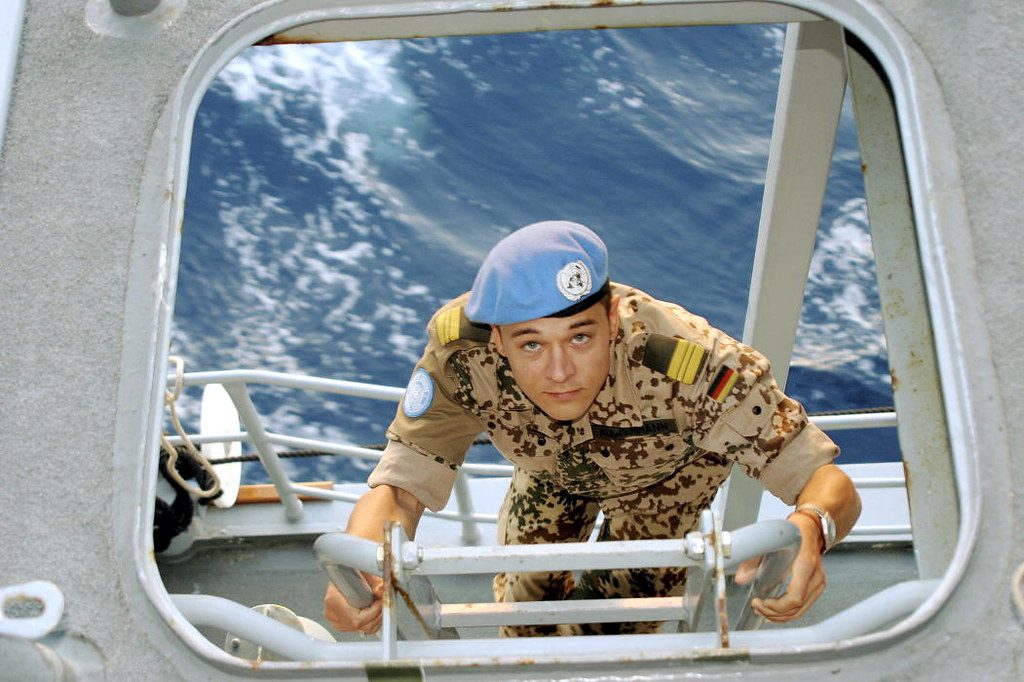
UN Security Council votes unanimously to extend UNIFIL through December 2026. U.S. states this will be the final extension.
U.S. extends truce deadline to February 18. Israel announces it will delay withdrawal due to gaps in Lebanese enforcement.
Joseph Aoun Elected President
Political
Former army commander Joseph Aoun elected president of Lebanon, ending a two-year vacancy. Makes disarmament a central policy goal.
December 2024
First and Only Hezbollah Attack Since Truce
Military
Hezbollah fires two mortar shells—its only claimed attack since the ceasefire. France reports 52 Israeli violations by this date.
November 2024
Ceasefire Takes Effect
Diplomatic
U.S.-brokered ceasefire begins at 4:00 AM. Agreement calls for 60-day Israeli withdrawal and Lebanese army deployment south of Litani.
October 2024
Israel Invades Southern Lebanon
Military
IDF begins "limited, localised and targeted" ground operations in southern Lebanon, Israel's sixth invasion since 1978.
September 2024
Hassan Nasrallah Killed
Assassination
Israeli airstrike on residential buildings in Beirut's Dahieh suburb kills Hezbollah Secretary-General Hassan Nasrallah and multiple senior commanders.
Pager Explosions Kill Dozens
Attack
Thousands of pagers and walkie-talkies used by Hezbollah members explode in coordinated attacks, killing 27 and injuring over 4,450.
October 2023
Hezbollah Opens Second Front
Military
Hezbollah launches rockets and artillery at Israeli positions in solidarity with Hamas, one day after the October 7 attacks. Cross-border exchanges begin.
Scenarios
1
Ceasefire Collapses, Full Conflict Resumes
Possible
Discussed by: Stimson Center, Soufan Center, International Crisis Group analysts
If Israel's strikes continue escalating or Hezbollah concludes the truce offers no protection, fighting could resume at scale. Analysts identify Lebanon as "potentially the most dangerous flashpoint" in the region. A triggering event—such as mass casualties from an Israeli strike or a Hezbollah attack on Israeli civilians—could end the pretense of ceasefire entirely. Iran's current domestic crisis and depleted proxy networks make this less likely in early 2026.
2
Frozen Conflict Continues Indefinitely
Likely
Discussed by: Foundation for Defense of Democracies, ACLED, Atlantic Council
The current pattern persists: Israel conducts daily "enforcement" strikes, Hezbollah absorbs casualties while rearming, Lebanon claims progress on disarmament while unable to enforce it north of Litani. UNIFIL departs in December 2026 with no replacement mechanism. Both sides maintain the ceasefire is holding by their own definitions while hundreds die annually.
3
Disarmament Succeeds, Hezbollah Becomes Political Party
Unlikely
Discussed by: Lebanese government officials, U.S. State Department
The Homeland Shield Plan proceeds through all five phases. Hezbollah, weakened by the 2024 war and facing Iranian pressure from domestic unrest, negotiates its transition to a purely political role. Israel withdraws from remaining positions. This scenario requires sustained U.S. pressure on both sides and Hezbollah's acceptance of defeat—conditions most analysts consider unlikely given the group's ideology and Iranian backing.
4
U.S.-Backed Escalation Destroys Hezbollah's Arsenal
Possible
Discussed by: Israeli media, Washington Institute for Near East Policy
Reports of Trump-Netanyahu discussions at Mar-a-Lago suggest the U.S. may greenlight a major Israeli offensive if Lebanon fails to complete disarmament. Israel could attempt to destroy Hezbollah's remaining precision missiles in the Bekaa Valley and Dahieh before UNIFIL withdraws. Success would require accepting significant civilian casualties and potential regional war with Iran.
5
Framework Collapses, War Resumes Before UNIFIL Exits
Possible
Resolves by End of 2026
Discussed by: Al Jazeera analysts, International Crisis Group, Hezbollah officials
Hezbollah has rejected the June 26 framework and refuses to engage MCG4L. If the Lebanese government cannot bring Hezbollah into the disarmament process and Israel stalls on withdrawal without verified disarmament progress, fighting could restart before UNIFIL's December 2026 exit, leaving Lebanon with no international observers.
6
Framework Creates Path to First Israel-Lebanon Peace Agreement
Unlikely
Resolves by End of 2027
Discussed by: US State Department, Lebanese government, Al-Monitor
The trilateral framework is designed as a roadmap to formal peace. If Hezbollah is sufficiently weakened by the 2026 war to be sidelined, and MCG4L successfully coordinates IDF withdrawal with Lebanese army deployment, Lebanon and Israel could negotiate a bilateral peace agreement—the first since the 1949 armistice.
Historical Context
3 moments from history that rhyme with this story — and how they unfolded.
1 of 3
April 1996
The 1996 'Grapes of Wrath' Operation
Israel launched a 16-day air and artillery campaign against Hezbollah positions in southern Lebanon. On April 18, Israeli shelling hit a UN compound in Qana, killing 106 Lebanese civilians who had taken shelter there. International outrage forced Israel to accept a ceasefire.
Then
A monitoring committee was established to prevent civilian targeting. Cross-border attacks continued.
Now
The Qana massacre became a symbol of Israeli disregard for Lebanese civilian lives and bolstered Hezbollah recruitment.
Why this matters now
Israel's current civilian evacuation warnings before strikes aim to avoid another Qana-scale incident. Whether these warnings sufficiently protect civilians remains disputed, with over 127 civilian deaths since the 2024 ceasefire.
2 of 3
May 2000
The 2000 Israeli Withdrawal from Lebanon
Israel unilaterally withdrew from southern Lebanon after an 18-year occupation that began with the 1982 invasion. Hezbollah claimed victory, having led the resistance that made occupation untenable. The withdrawal boosted Hezbollah's prestige across the Arab world.
Then
South Lebanon Army, Israel's proxy force, collapsed within hours. Its members fled to Israel.
Now
Hezbollah's success model—armed resistance forcing Israeli withdrawal—became its core narrative and justification for maintaining weapons.
Why this matters now
Hezbollah refuses to disarm partly because its weapons enabled the 2000 "victory." Israel's current insistence on destroying Hezbollah's arsenal reflects lessons from allowing the group to rebuild after that withdrawal.
3 of 3
August 2006
UN Resolution 1701 and the 2006 Ceasefire
After a 34-day war triggered by Hezbollah's cross-border kidnapping of Israeli soldiers, the UN Security Council unanimously passed Resolution 1701. The resolution called for Hezbollah's disarmament, Israeli withdrawal, and Lebanese army deployment to the south—the same terms as the 2024 agreement.
Then
Fighting stopped. Israel withdrew. UNIFIL expanded to 15,000 troops.
Now
Hezbollah never disarmed. By 2024, it had accumulated 120,000-200,000 munitions and built the Radwan Force for offensive operations. Resolution 1701 was never enforced.
Why this matters now
The 2024 ceasefire is explicitly based on implementing 1701's unfulfilled terms. Critics argue Israel learned that ceasefires without enforcement allow enemies to rearm; Hezbollah learned that agreeing to disarm carries no actual obligation to do so.