



Japan's Kwantung Army defies Tokyo (1931)
Officers of Japan's Kwantung Army staged the Mukden Incident—a false-flag bombing on a Japanese-owned railway—as a pretext to invade Manchuria, in direct violation of orders from the civilian government and the Imperial General Headquarters in Tokyo. Commander-in-chief General Shigeru Honjō expanded operations across Manchuria despite explicit instructions to localize the conflict.
The civilian government in Tokyo was unable to rein in the army. Japan occupied all of Manchuria within months and established the puppet state of Manchukuo.
Military insubordination became normalized. By 1936, the army had sidelined civilian politicians from central government, setting Japan on the path to broader war in the Pacific.
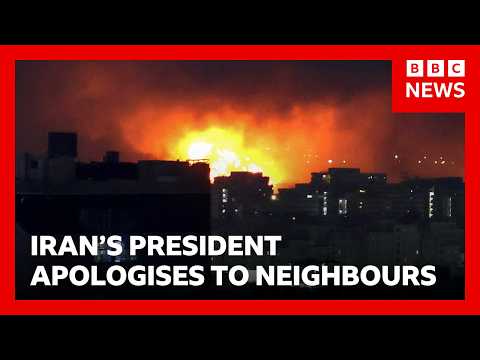
The Kwantung Army parallel is direct: a military force nominally subordinate to civilian authority acting on its own war strategy while the government issues contradictory public statements it cannot enforce. The key question for Iran is whether the IRGC's defiance produces the same long-term result—permanent military dominance over civilian authority.