

Pull to refresh
Logo
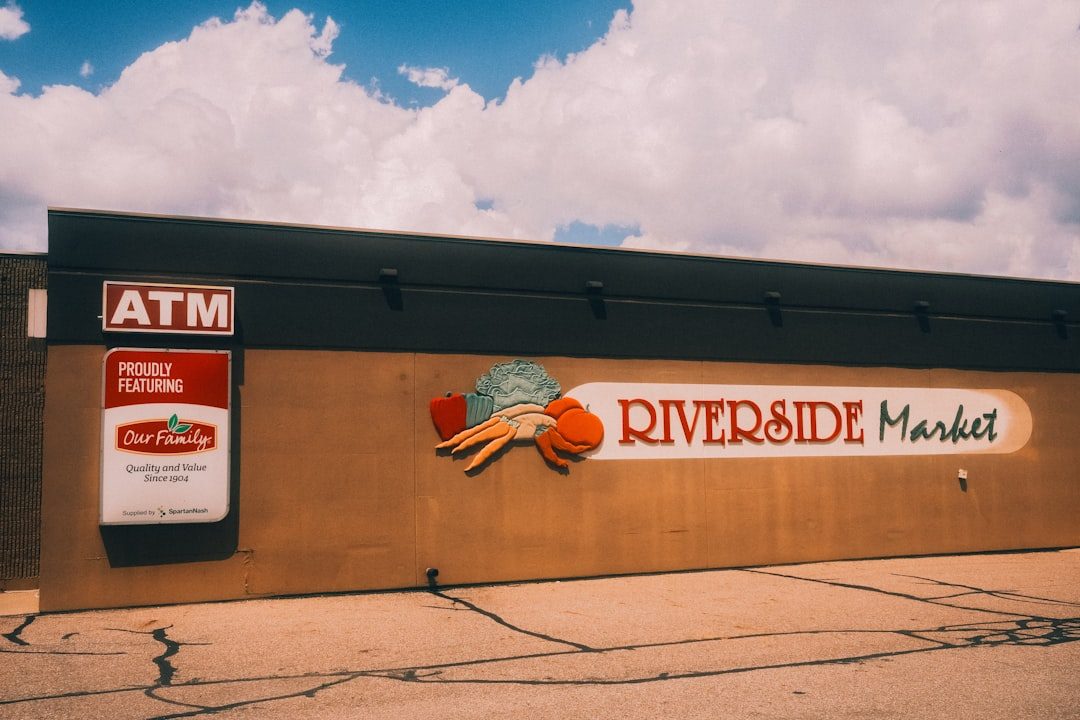
Riverside Market gets food license, sets Eastown opening

Riverside Market gets food license, sets Eastown opening

New Capabilities Grand Rapids, MI local

Multi-vendor micro retail space at 1533 Wealthy St SE plans to debut September 18

September 2nd, 2026: Riverside Market license appears on county list

Overview

Updated Sep 4

A new multi-vendor market is cleared to operate in Grand Rapids' Eastown neighborhood. Riverside Market, at 1533 Wealthy St SE, appeared on Kent County's food establishment license list on September 2 with no health inspections on file.

The market's website lists September 18 as its opening day. It plans to sell handmade, vintage, and fine art goods from local makers alongside food — the license is the county's clearance to serve it, not proof the doors are open.

Why it matters

Eastown gains a new local market for handmade, vintage, and fine art goods, the latest addition to a commercial corridor that has grown this decade.

Questions about this story

Free account needed to ask — your question is kept and asked for you right after sign-up. Answers are public.

No questions yet — be the first to ask.

Key Indicators

0
Health inspections on record
Riverside Market's food license carries no inspections yet; it is cleared to operate, not reviewed.
Sept 18, 2026
Planned opening date
The grand opening date listed on Riverside Market's website.

Voices

Curated perspectives — historical figures and your fellow readers.

Ever wondered what historical figures would say about today's headlines?

Sign up to generate historical perspectives on this story.

Organizations Involved

Timeline

2 events Latest: September 2nd, 2026 · 1 week ago
  1. Scheduled grand opening in Eastown

    Upcoming Opening

    Riverside Market's website lists September 18 as its opening day for the multi-vendor micro retail space.

  2. Riverside Market license appears on county list

    Latest Licensing

    Kent County food establishment license record appears for Riverside Market at 1533 Wealthy St SE, with zero inspections on file.

Scenarios

1

Riverside Market opens September 18 as planned

Likely Resolves by Sep 18, 2026

Discussed by: The market's own website and Eastown neighborhood retail watchers

With the food license in place and a firm date listed, an on-time debut is the baseline expectation. Vendors move into the micro retail space and the market opens its doors to Eastown shoppers on the scheduled day.

2

Market misses target, pushes opening date

Possible Resolves by Oct 1, 2026

Discussed by: Local retail observers familiar with build-out delays

A license is clearance to operate, not a guarantee of launch. Build-out delays, a short vendor lineup, or staffing gaps could push opening past September 18. The license stays valid while the business sorts out its start date.

3

Market opens, then closes within first year

Uncertain Resolves by Sep 18, 2027

Discussed by: Retail failure-rate data for small independent shops

A large share of small retail ventures close within a year. If vendor sales lag or the space cannot cover rent, the market could shutter despite a successful launch. A closure would show up as the license lapsing or being revoked in county records.

Historical Context

2 moments from history that rhyme with this story — and how they unfolded.

1997

Chelsea Market, New York (1997)

Developer Irwin Cohen converted a former Nabisco factory into a food market hall in Manhattan's Meatpacking District, filling it with local bakeries, produce stands, and specialty food vendors.

Then

The market filled its stalls and drew steady neighborhood foot traffic.

Now

It grew into an international destination and a commercial anchor for the surrounding district.

Why this matters now

It shows the ceiling of the micro-retail market model: a cluster of small vendors under one roof can become a draw that outlives any single tenant.

October 2013

Grand Rapids Downtown Market (2013)

The city opened a multi-vendor market hall at 435 Ionia Ave SW, housing food producers, restaurants, and retail stalls under one roof, capped by a rooftop farm. It followed years of planning and public investment.

Then

The market filled with vendors and became a downtown food destination within its first years.

Now

It demonstrated sustained demand for shared vendor space in Grand Rapids and set a local template for multi-vendor retail.

Why this matters now

Riverside Market applies the same shared-vendor model at a block scale in a residential neighborhood, a smaller version of what the Downtown Market proved downtown.

Sources

(2)