
Pull to refresh
Logo
Rad ish Street Food licensed to open at Grand Rapids Downtown Market

Rad ish Street Food licensed to open at Grand Rapids Downtown Market

New Capabilities Grand Rapids, MI local

New vendor secures four Kent County food licenses over four months

August 25th, 2026: Vendor cleared to operate

Overview

Updated Aug 27

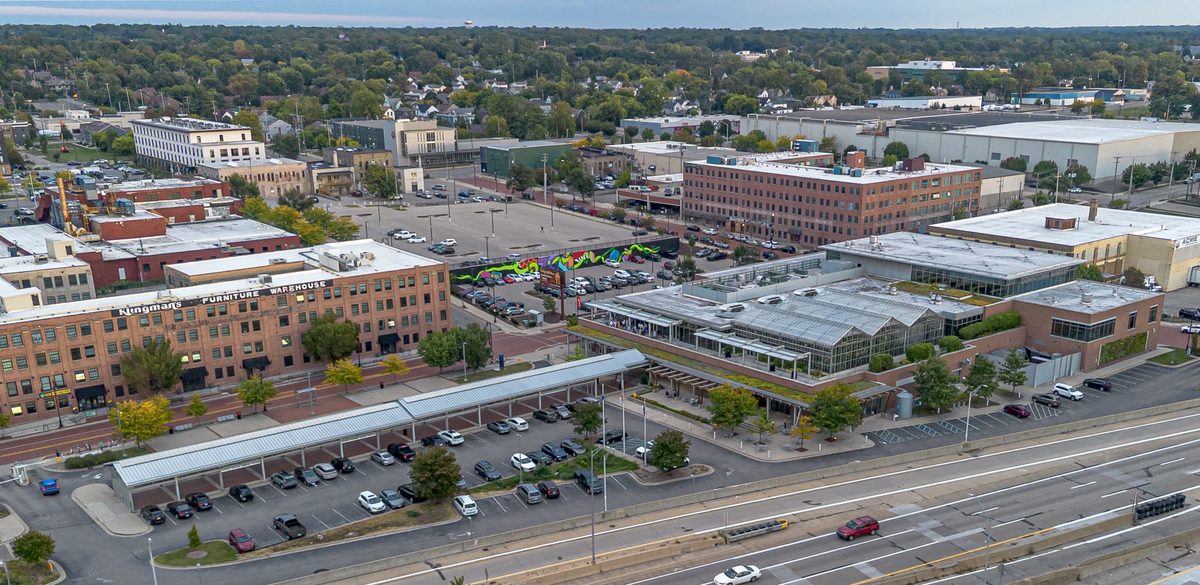
Rad ish Street Food has the legal clearance to sell food in Grand Rapids. Four Kent County food establishment licenses were issued between May 15 and August 25, all tied to 435 Ionia Ave SW, the address of the Downtown Market.

The licenses clear the vendor to operate. They don't confirm it has opened. The market's shared kitchen and stalls give new food businesses a low-cost way to test a concept.

Why it matters

Downtown Grand Rapids diners gain a new food option, and the market's incubator model gets another real-world test.

Questions about this story

Free account needed to ask — your question is kept and asked for you right after sign-up. Answers are public.

No questions yet — be the first to ask.

Key Indicators

4
Kent County food establishment licenses issued
Filed between May 15 and August 25, 2026 for Rad ish Street Food.
21
Food merchants at the Downtown Market
Existing indoor vendors in the market hall alongside the new arrival.
4,954 sq ft
Shared commercial kitchen space at the market
Available to vendors who don't build their own kitchen.

Voices

Curated perspectives — historical figures and your fellow readers.

Ever wondered what historical figures would say about today's headlines?

Sign up to generate historical perspectives on this story.

Organizations Involved

Timeline

May 2026 August 2026

4 events Latest: August 25th, 2026 · 3 weeks ago
Tap a bar to jump to that date
  1. Vendor cleared to operate

    Latest Licensing

    A fourth license brings the vendor to full regulatory clearance at the Downtown Market address.

  2. Third license record filed

    Licensing

    Kent County logs another food establishment license for Rad ish Street Food.

  3. First license filed

    Licensing

    Kent County records show the first food establishment license for the vendor.

  4. Second record filed same day

    Licensing

    A second license record appears in county records, also dated May 15.

Scenarios

1

Rad ish Street Food opens at Downtown Market

Likely Resolves by Nov 25, 2026

Discussed by: Kent County inspection records and the Downtown Market's vendor roster

The vendor starts serving customers from a stall or counter in the market. The shared kitchen and existing foot traffic keep startup costs low. County health records would show the business operating at the address.

2

Rad ish Street Food delays opening after license

Possible Resolves by Nov 25, 2026

Discussed by: Local food business observers noting that permits often precede actual launches by months

The vendor holds the license but has not opened, possibly due to staffing, build-out, or financing. The market continues with its existing merchants in the meantime.

3

Rad ish expands beyond a single stall

Uncertain Resolves by Feb 25, 2027

Discussed by: The four separate license filings, which suggest more than one planned operation

The vendor uses multiple licenses to run carts, a food truck, or a second counter. That would show the market's incubator model working: start small, scale where demand proves out.

Historical Context

3 moments from history that rhyme with this story — and how they unfolded.

1997

Chelsea Market (1997)

Part of a former Nabisco factory in Manhattan reopened as a food hall. Small vendors sold bread, cheese, and prepared food from stalls beneath office tenants. Some grew into regional brands.

Then

Foot traffic supported a mix of vendors.

Now

The building became a template for urban food halls as incubators.

Why this matters now

Shows how a shared building can turn a small stall into a bigger business.

2011 to present

Smorgasburg (2011)

A weekend open-air market in Brooklyn drew tens of thousands. Vendors like Ramen Burger moved from stall sales to nationwide pop-ups and products.

Then

Several vendors expanded their reach within months.

Now

The market proved low-cost stalls can launch scalable food brands.

Why this matters now

Mirrors the Downtown Market's incubator logic.

2013 to present

Grand Rapids Downtown Market (2013)

Grand Rapids opened a year-round public market with merchant stalls and a shared commercial kitchen. It aimed to support local food entrepreneurs.

Then

Dozens of businesses have cycled through the stalls.

Now

The market anchors downtown food retail and remains a venue for new concepts.

Why this matters now

Rad ish Street Food is the latest test of this local incubator.

Sources

(2)