
Pull to refresh
Logo
Ghana's first wholly Ghanaian-built solar plant connects to national grid

Ghana's first wholly Ghanaian-built solar plant connects to national grid

Built World

50 MW Yendi facility was designed, built and financed by First Sky Limited with no foreign technical support; BPA now puts the cost at about $50 million

Overview

Updated Nov 2

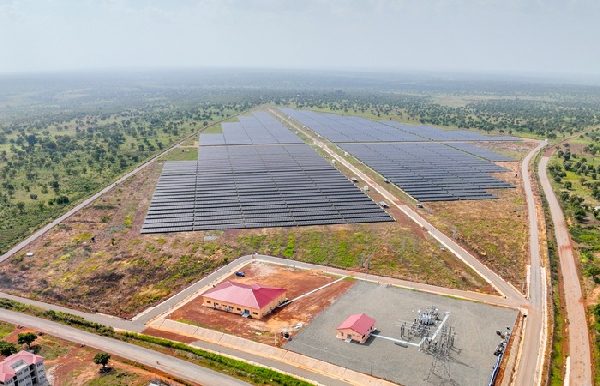
A 50-megawatt solar plant at Galgu in Yendi, northern Ghana, is now selling power to the national grid. First Sky Limited, a Ghanaian construction firm, designed, built and financed the facility with Ghanaian staff only, a first for utility-scale solar in the country.

On October 28, Bui Power Authority communications official Mawuli Fui Kwadzovia put the cost at about $50 million, below the $59 million reported earlier, and said power sales would clear the debt in five to seven years. BPA did not explain the gap between the two figures.

Why it matters

If Ghanaian firms keep winning these contracts, the engineering and construction money for the country's solar build-out stays at home.

Questions about this story

Free account needed to ask — your question is kept and asked for you right after sign-up. Answers are public.

No questions yet — be the first to ask.

Key Indicators

50 MWp
Plant peak capacity
The Yendi facility's nameplate rating at Galgu in Yendi Municipality.
$50M
Cost per BPA
BPA put the cost at about $50M on October 28, 2026, below the $59M reported earlier; BPA did not explain the gap.
5–7 years
Repayment period
BPA expects payments for the plant's electricity to clear its cost within five to seven years.
140 acres
Land area
Total site area filled with solar panels at the Galgu location.
4 km
Transmission line
GRIDCo-built 161 kV line linking the plant to the Tamale–Yendi transmission network.

Voices

Curated perspectives — historical figures and your fellow readers.

Sign up to generate historical perspectives on this story.

People Involved

Organizations Involved

Timeline

September 2023 October 2026

8 events Latest: October 28th, 2026 · 2 weeks ago
Tap a bar to jump to that date
  1. BPA puts plant cost at about $50m

    Latest Disclosure

    BPA communications official Mawuli Fui Kwadzovia said on Citi Breakfast Show the plant cost about $50 million, below the $59 million reported earlier, and that power sales would repay it in five to seven years. BPA did not explain the gap.

  2. Energy committee chair backs solar tax relief

    Policy

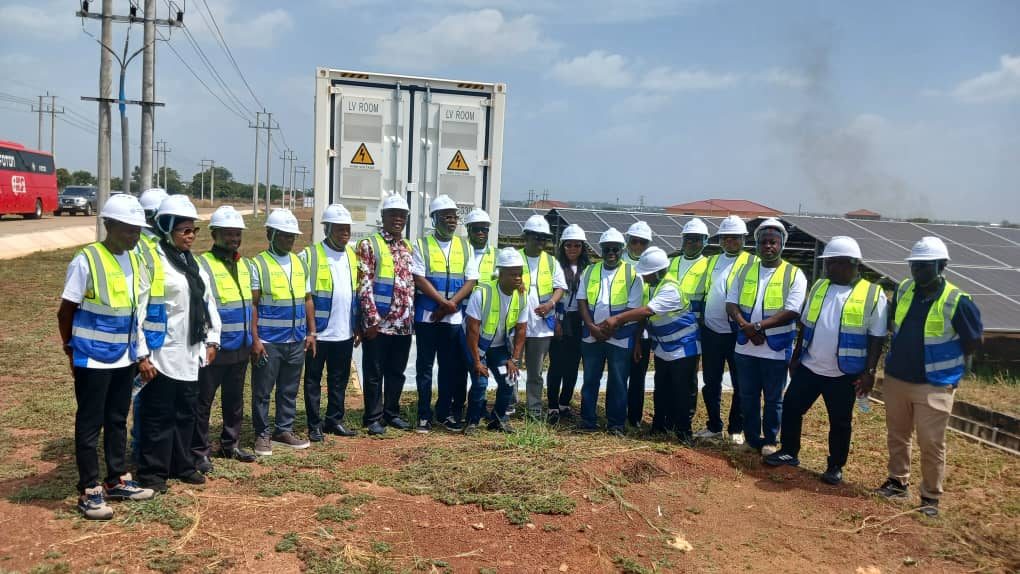
    Emmanuel Kwasi Bedzrah said he would support tax relief on imported solar panels after touring the Yendi plant. No exemption has been approved.

  3. Parliament inspects completed plant

    Oversight

    Energy committee tours the operational facility and praises local execution and financing partners.

  4. Commercial operations begin

    Operations

    GRIDCo connects the plant to the national grid; commercial power sales start.

  5. Plant technically ready

    Commissioning

    BPA confirms the Yendi facility passes technical readiness ahead of grid connection.

  6. First Sky nears completion

    Construction

    Company reports the wholly Ghanaian-owned utility-scale solar facility is close to finishing.

  7. Parliamentary committee inspects site

    Oversight

    Energy committee verifies progress; BPA CEO confirms all project experts are Ghanaian.

  8. Construction begins at Galgu, Yendi

    Construction

    First Sky Limited starts building the 50 MW solar plant on 140 acres for the Bui Power Authority.

Scenarios

1

First Sky wins new renewable contracts after Yendi

Likely Resolves by End of 2027

Discussed by: BPA officials, parliamentary committee, Ghana's energy ministry

The Yendi model—a wholly Ghanaian firm engineering, building and financing a utility-scale plant—becomes the template for the next round of Ghanaian solar and wind projects. BPA or the energy ministry awards new contracts to First Sky or other indigenous firms, and more plants outside the Bui enclave follow.

2

Yendi plant underperforms on output or reliability

Possible Resolves by Q3 2027

Discussed by: GRIDCo, BPA engineering officials

The 50 MW nameplate rating is peak capacity, not guaranteed output. If the plant delivers well below 50 MW for sustained periods, or suffers extended outages tied to grid or equipment issues, the financing repayment stretches and the model loses credibility. Northern Ghana's weak grid also poses integration risks.

3

Ghana reaches 10-15% renewable electricity mix by 2030

Possible Resolves by End of 2030

Discussed by: Parliamentary committee, Ghana Energy Commission

Ghana's target calls for renewables to supply 10-15% of national electricity generation by 2030. The Yendi plant plus BPA's Bui enclave build-out toward 300 MW are major contributions. Success depends on grid integration, financing for additional plants, and whether new projects can be delivered at the Yendi pace.

Historical Context

2 moments from history that rhyme with this story — and how they unfolded.

2018–2023

Foreign-built solar farms in Ghana (pre-2024)

Every utility-scale solar plant in Ghana before Yendi was built by foreign contractors—Chinese, Swiss, or other firms—according to Bui Power Authority CEO Samuel Dzamesi. The largest was BPA's own 55 MW solar farm in the Bui enclave.

Then

Ghana gained solar capacity but exported the engineering, procurement and construction value to foreign firms.

Now

No Ghanaian company had demonstrated it could deliver a utility-scale solar project until First Sky took on Yendi.

Why this matters now

The Yendi plant is the direct contrast: the first utility-scale solar facility in Ghana planned, engineered and built by a wholly Ghanaian company with no foreign technical support.

1961–1965

Akosombo Dam (1965)

Ghana built the Akosombo Dam on the Volta River to power its industrialization. The project, financed largely by foreign loans and built with foreign engineering expertise, became the backbone of Ghana's electricity system for decades.

Then

The dam opened in 1965 and made Ghana a regional power exporter through the Volta River Authority.

Now

Akosombo remains Ghana's flagship energy asset, but its construction depended on external finance and technical help.

Why this matters now

Sixty years later, the Yendi plant inverts that dependency: a Ghanaian firm handled engineering, procurement and financing domestically, marking a shift in who builds Ghana's energy infrastructure.

Sources

(15)