


Pull to refresh
Logo
UK's first subsea power cable factory opens at Port of Nigg

UK's first subsea power cable factory opens at Port of Nigg

Built World

Sumitomo Electric's £350M Highland plant will make 525kV cables to carry Scottish wind power south

Overview

Updated Oct 28

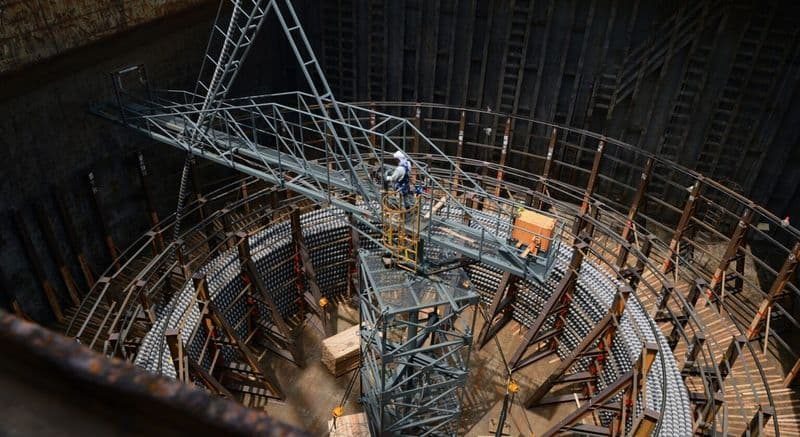
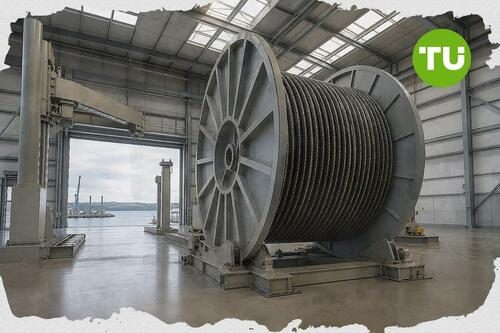
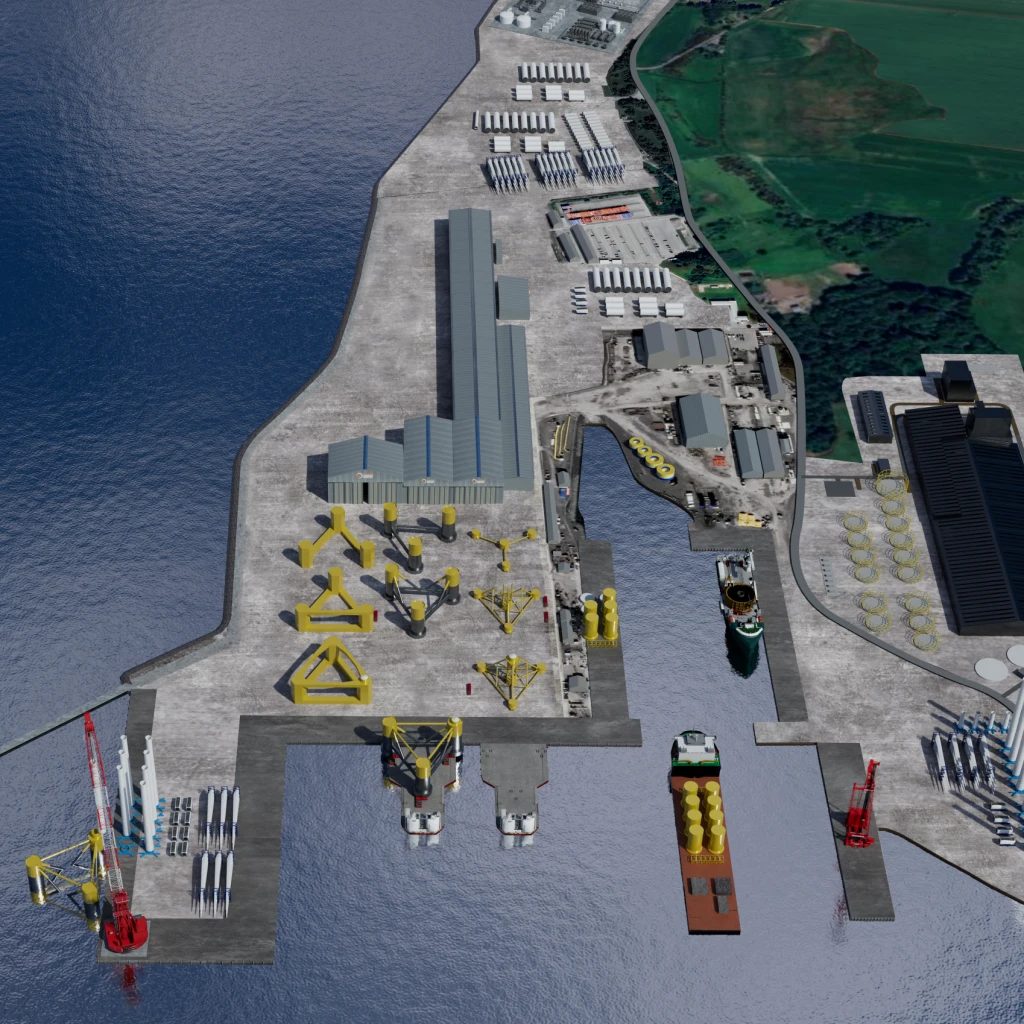
Sumitomo Electric opened the UK's first high-voltage subsea cable factory at the Port of Nigg on Scotland's northeast coast on October 19. The £350 million plant, inside the Inverness and Cromarty Firth Green Freeport, will make 525-kilovolt cables that carry offshore wind power long distances with less energy loss than alternating current. Scotland Secretary Douglas Alexander said the UK had been the only G7 country without the capacity to make them.

The plant will employ about 200 people directly, with hundreds more in the supply chain, and production is due to start in July 2027. Sumitomo is preferred bidder for SSEN Transmission's Shetland 2 link and has a contract for National Grid's Sea Link project between Kent and Suffolk. First Minister John Swinney said the UK government must speed up grid-connection decisions or risk starving the plant of orders.

Why it matters

The UK was the only G7 country unable to build high-voltage subsea cables; this factory ends that dependence as offshore wind scales.

Questions about this story

Free account needed to ask — your question is kept and asked for you right after sign-up. Answers are public.

No questions yet — be the first to ask.

Key Indicators

£350M
Total investment by Sumitomo Electric
Construction of the Nigg factory and its production lines.
200+
Direct jobs created at the factory
Sumitomo says up to 250 direct roles, with hundreds more through the supply chain.
525kV
Voltage of HVDC cables the plant will make
Long-distance subsea power transmission cable; production due to start in July 2027.
£24.5M
Public funding from the Scottish Government
Part of the package that secured the investment in the Highlands.

Voices

Curated perspectives — historical figures and your fellow readers.

Sign up to generate historical perspectives on this story.

People Involved

Organizations Involved

Timeline

April 2023 October 2026

5 events Latest: October 19th, 2026 · 3 weeks ago
Tap a bar to jump to that date
  1. UK's first HVDC cable factory opens

    Latest Milestone

    Sumitomo opens the factory with First Minister Swinney and UK ministers in attendance.

  2. Sumitomo wins Sea Link cable contract

    Contract

    National Grid Electricity Transmission awarded Sumitomo the supply and installation of 140 km of HVDC cable between Kent and Suffolk, with the cable to be made at Nigg.

  3. SSEN names Sumitomo preferred bidder for Shetland 2

    Contract

    SSEN Transmission issued a preferred bidder notice to Sumitomo Electric for 525kV HVDC cable on the Shetland 2 link.

  4. Construction begins at Nigg

    Construction

    Building starts on the 15-hectare factory site at the Highland port.

  5. Sumitomo announces Nigg cable factory plan

    Announcement

    Sumitomo Electric unveils a £350M HVDC subsea cable plant at the Port of Nigg, its first in Europe.

Scenarios

1

Factory ramps to full production on schedule

Likely Resolves by Q3 2027

Discussed by: Energy Voice; SSEN Transmission; company executives at the opening

Sumitomo begins making 525kV cables in July 2027 as confirmed by chairman Masayoshi Matsumoto. The first Shetland 2 cables ship to SSEN, the factory staffs its 200-plus roles, and the plant becomes the standard supplier for British offshore wind connections.

2

ScotWind grid delays starve the factory of orders

Possible Resolves by End of 2027

Discussed by: John Swinney, Scottish First Minister

Swinney warned the UK government's slow grid-connection decisions on delayed ScotWind offshore wind projects could leave the factory without enough demand. If approvals stall, the plant completes Shetland 2 and Sea Link but wins no further UK work, underusing its capacity.

3

Factory wins European export contracts and expands

Possible Resolves by Q2 2028

Discussed by: Masayoshi Matsumoto, Sumitomo Electric CEO

Matsumoto said the Nigg plant will target markets across the UK and Europe as the company's continental subsea cable hub. Successive export orders — North Sea interconnectors or European offshore wind links — would justify expanding output beyond the two secured contracts.

Historical Context

3 moments from history that rhyme with this story — and how they unfolded.

1986

UK–France Cross-Channel interconnector (1986)

In 1986 the first high-voltage direct current submarine cable under the English Channel began carrying power between Britain and France. The 2,000-megawatt link used technology and equipment built entirely by overseas manufacturers.

Then

Proved HVDC interconnectors could trade electricity across the Channel reliably.

Now

For the next four decades the UK bought every large HVDC cable it needed from foreign suppliers in Japan, Denmark, and Sweden.

Why this matters now

Nigg is the first domestic alternative to that four-decade import reliance, which is why the opening is a national step rather than just a Highland one.

1954

Gotland HVDC link, Sweden (1954)

Engineers switched on the world's first commercial high-voltage direct current link in 1954, running a 96km submarine cable between the Swedish mainland and the island of Gotland.

Then

Demonstrated that DC could move power long distances undersea with far lower losses than alternating current.

Now

Countries with domestic manufacturers, led by Sweden's ABB, built the global HVDC industry that later supplied every British offshore wind connection.

Why this matters now

It shows how owning production capacity lets a country scale its HVDC grid, exactly what the UK is now trying to replicate at Nigg.

2023

Viking Link, UK–Denmark (2023)

The Viking Link, a 1.4-gigawatt HVDC cable between the UK and Denmark, began operation in December 2023. Its cable was manufactured by Danish firm NKT in Sweden, not in Britain.

Then

Expanded cross-border power trading but deepened UK reliance on foreign-made subsea cable.

Now

The link became a symbol of a gap: Britain used high-voltage subsea cable constantly but built none of it domestically.

Why this matters now

Nigg closes exactly that gap, producing at home the kind of cable the Viking Link had to import.

Sources

(13)