



Pull to refresh
Logo
Britain approves Sea Link cable between Suffolk and Kent

Britain approves Sea Link cable between Suffolk and Kent

Built World

A 2-gigawatt, 138-kilometre power link clears planning, with construction targeted for early 2027 and completion by 2031

Overview

Updated Nov 2

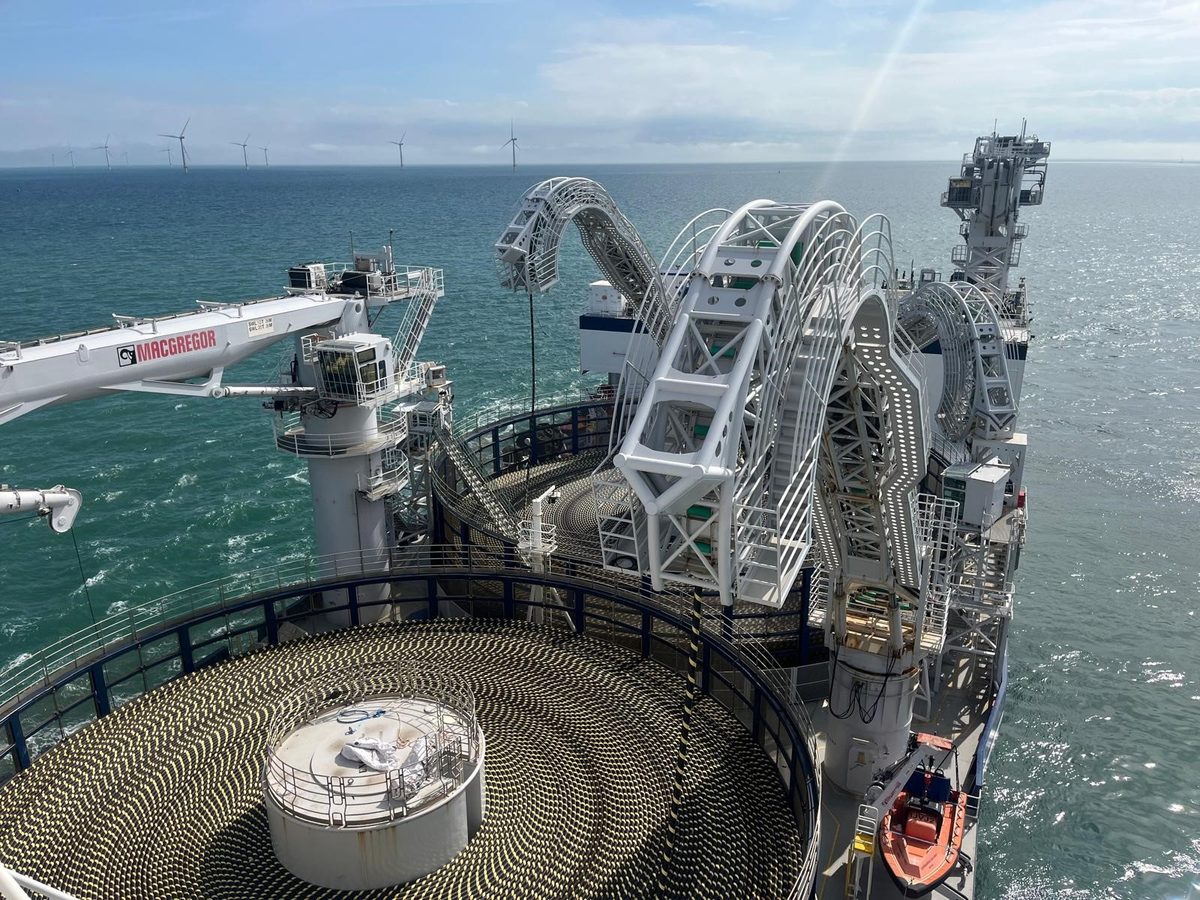
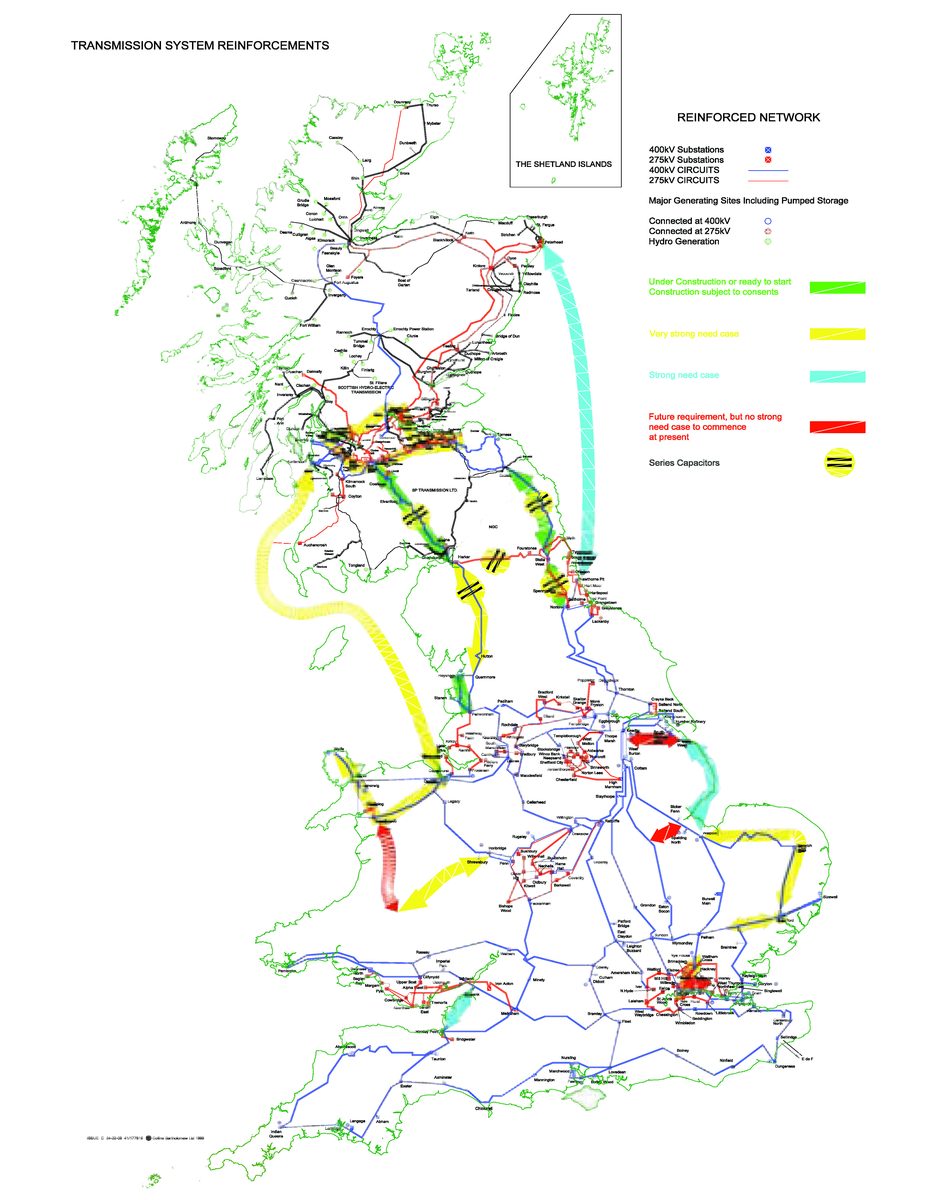
National Grid won development consent on 30 October for Sea Link, a 2-gigawatt cable running about 138 kilometres under the sea between Suffolk and Kent. Construction is due to start in early 2027 and finish by 2031.

The link moves power rather than making it, adding capacity across a grid seam where surplus wind power forces the operator to pay generators to switch off. Suffolk County Council and Kent MP Sir Roger Gale opposed the scheme. National Grid submitted costs of £3.2 billion to Ofgem, which has proposed allowing £2.9 billion; a final funding decision is outstanding.

Why it matters

Sea Link adds a 2-gigawatt seam between two grid regions, one of the bottlenecks that forces Britain to pay generators to switch off.

Questions about this story

Free account needed to ask — your question is kept and asked for you right after sign-up. Answers are public.

No questions yet — be the first to ask.

Key Indicators

2 GW
Transfer capacity
The link can move up to 2 gigawatts between the two regions, enough for the equivalent demand of about 2 million homes.
138 km
Route length
Most of the route runs offshore, with converter stations near Friston in Suffolk and near Richborough in Kent.
2M homes
Equivalent homes supplied
The government's comparison for carrying capacity, not a promise of new generation.
£3.2bn
Project cost submitted to Ofgem
National Grid submitted £3.2 billion in 2023/24 prices; the regulator has proposed allowing £2.9 billion, with a final decision outstanding.
£1M+
Community fund per county
National Grid will administer more than £1 million for community funds in each of Kent and Suffolk.
2031
Target completion
National Grid expects construction to begin in early 2027, subject to detailed construction planning.

Voices

Curated perspectives — historical figures and your fellow readers.

Sign up to generate historical perspectives on this story.

People Involved

Organizations Involved

Timeline

March 2025 October 2026

5 events Latest: October 30th, 2026 · 1 week ago
Tap a bar to jump to that date
  1. Government grants Sea Link consent

    Latest Decision

    The energy secretary approves the project with modifications, including limits on landfall drilling methods.

  2. Ofgem closes funding consultation

    Regulatory

    The regulator ends a separate consultation on the project's regulated revenue and outputs.

  3. Examiners send recommendation to minister

    Procedure

    The Examining Authority finishes its report and passes it to the energy secretary.

  4. Application accepted for examination

    Procedure

    The inspectorate accepts the application, opening a six-month public examination.

  5. National Grid files Sea Link application

    Filing

    The transmission owner submits its development consent application to the Planning Inspectorate.

Scenarios

1

Construction starts on Sea Link in 2027

Likely Resolves by Q2 2027

Discussed by: National Grid, which says construction could begin in early 2027 subject to detailed planning

National Grid reviews the consent's requirements, locks in delivery partners and issues construction notices. Work begins at the converter station sites and along the onshore cable route, with subsea laying following later. The trigger is the company's own construction notice; the delay risk sits in the consent's detailed requirements, including the restriction to horizontal directional drilling or Direct Pipe at the landfall.

2

High Court challenge delays Sea Link

Possible Resolves by Dec 11, 2026

Discussed by: Planning-law commentators, who flag the statutory challenge window that follows a consent

A landowner, council or campaign group files a claim in the Planning Court arguing the decision was unlawful. A challenge does not automatically stop the project but can freeze parts of the programme while it is heard. The six-week window after the decision is the point of maximum risk.

3

Ofgem approves a Sea Link allowance above £3.2 billion

Possible Resolves by End of 2027

Discussed by: Energy Voice, reporting Ofgem's rising estimate; opponents including Roger Gale MP

The regulator finalises how much of the project's cost National Grid can recover from bill payers. If the allowance lands above the current estimate, the cost argument that surrounded the consent decision returns to the fore. The decision turns on Ofgem's assessment of scope and outputs, not on the planning merits.

4

Sea Link carries power by the end of 2031

Possible Resolves by End of 2031

Discussed by: National Grid, which gives 2031 as the expected completion date

The cable is laid, the converter station and substation connections are commissioned, and the link enters operation. Delivery of this kind of infrastructure routinely slips, and the project has already seen its cost estimate rise sharply. Completion would show the consent process converting into physical capacity.

Historical Context

3 moments from history that rhyme with this story — and how they unfolded.

November 2008

Planning Act 2008 creates the development consent regime

Parliament passed legislation setting up a single consent route for nationally significant infrastructure, replacing a patchwork of separate approvals. It created fixed examination timetables and a body that became the Planning Inspectorate, with ministers taking the final decision on energy projects.

Then

Major energy projects began moving through a single examination instead of multiple consent regimes.

Now

The regime has decided 186 energy applications to date, including Sea Link as the 118th.

Why this matters now

Sea Link's six-month examination and ministerial decision follow exactly this template, which is why the process has a predictable timetable.

September 2014

Thames Tideway Tunnel consented (2014)

The 25-kilometre London sewer tunnel received its development consent after a lengthy examination, with an estimated cost of about £4.2 billion. Construction ran for roughly nine years before the tunnel became fully operational in 2025.

Then

Consent settled the route and construction methods but left years of works and cost scrutiny ahead.

Now

The project became a benchmark for how long a consented megaproject takes to deliver and how far costs can move.

Why this matters now

Sea Link follows the same sequence: consent now, construction from 2027, operation targeted for 2031.

1986-1994

Channel Tunnel built (1986-1994)

Britain and France agreed to build a fixed rail link under the English Channel, financed privately. Construction took eight years and the final cost was roughly double the original estimate.

Then

The tunnel opened in 1994 after repeated financing crises and delays.

Now

It became a standard reference for cost escalation on cross-border undersea infrastructure.

Why this matters now

Sea Link's estimate has already risen from £1.1 billion to almost £3.2 billion before a metre of cable is laid, a familiar pattern for undersea links.

Sources

(32)