

Pull to refresh
Logo
KenGen secures $77 million for its first grid-scale batteries

KenGen secures $77 million for its first grid-scale batteries

Built World

World Bank and Green Climate Fund money will build 100 megawatts of storage across four Kenyan substations

Overview

Updated 4 days ago

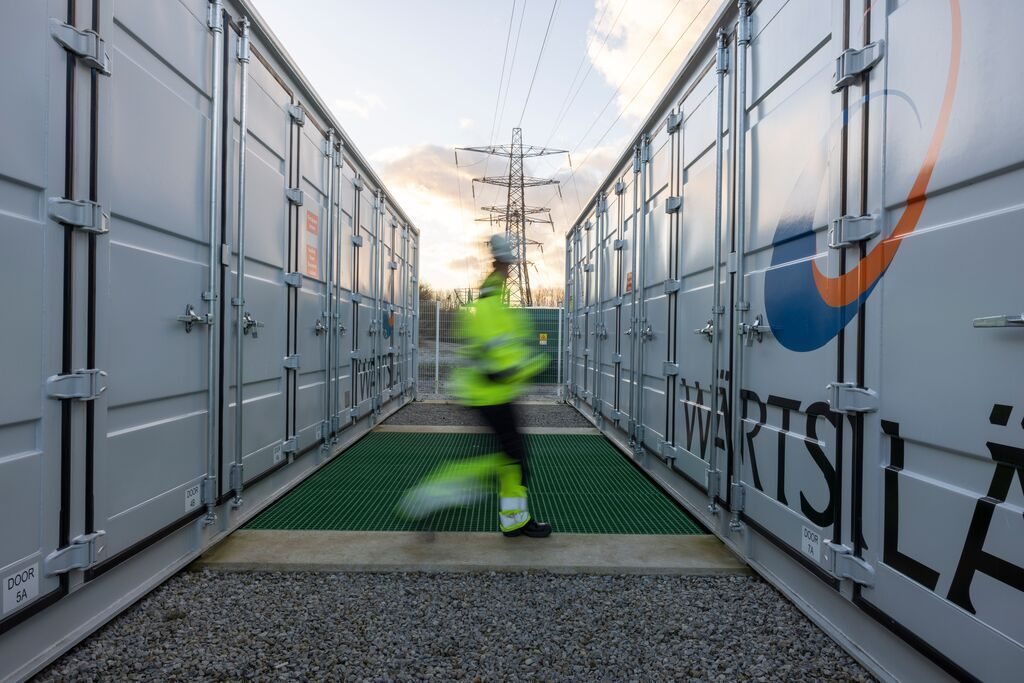
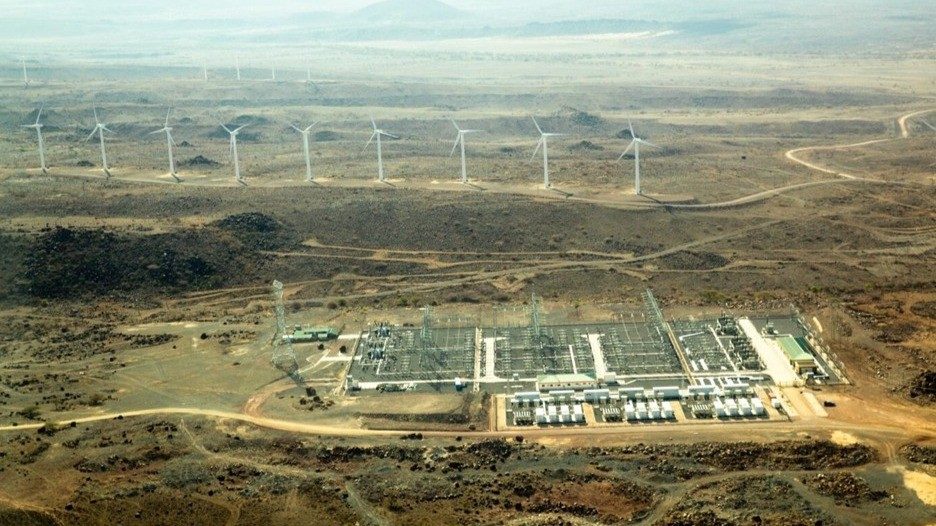
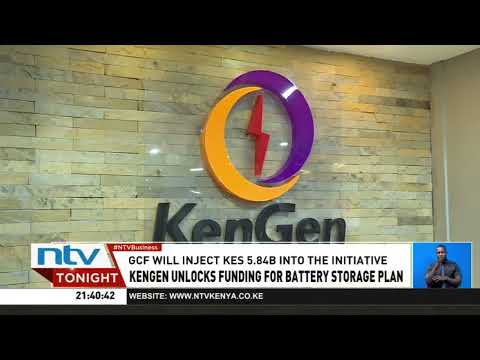
KenGen has $77 million to build a 100-megawatt battery network at Olkaria, Kipevu, Embakasi and Muhoroni, its first utility-scale storage. The Green Climate Fund provides $45 million and the World Bank's International Development Association provides 32.08 million euros under the Kenya Green and Resilient Expansion of Energy programme.

The first phase is designed for 100 megawatt-hours. Technical teams are preparing tenders for lithium-iron-phosphate battery banks, step-up transformers and power conversion systems, Construction Review reported on November 3. A World Bank-backed study found Kenya needs 400 megawatts of one-hour storage immediately.

Why it matters

Kenya vents enough geothermal steam each day to power a mid-sized city. Storage is how that surplus gets sold at peak instead of wasted.

Questions about this story

Free account needed to ask — your question is kept and asked for you right after sign-up. Answers are public.

No questions yet — be the first to ask.

Key Indicators

$77M
Total battery storage financing
Green Climate Fund and World Bank concessional lending combined, about Sh10.5 billion.
100 MW
Planned battery capacity
Distributed across four substations and generation hubs.
100 MWh
First-phase energy capacity
The initial build is sized for one hour of discharge, not multi-hour storage.
400 MW
Storage the grid needs now
Figure from the World Bank-supported technical assessment of one-hour battery capacity.
16%
Installed geothermal capacity vented daily
Up to 170 megawatts of steam released unused because off-peak demand is too low.
4
Sites selected
Olkaria, Kipevu, Embakasi and Muhoroni, owned by KenGen, KETRACO and Kenya Power.

Voices

Curated perspectives — historical figures and your fellow readers.

Sign up to generate historical perspectives on this story.

People Involved

Organizations Involved

Timeline

November 2023 November 2026

7 events Latest: November 3rd, 2026 · 1 week ago
Tap a bar to jump to that date
  1. Financing and four battery sites disclosed

    Latest Financing

    KenGen's funding split and the Olkaria, Kipevu, Embakasi and Muhoroni locations were reported.

  2. Procurement preparation for battery equipment reported

    Procurement

    Construction Review reported that technical teams were preparing tenders for lithium-iron-phosphate battery banks, step-up transformers and power conversion systems.

  3. Feasibility study runs behind schedule

    Review

    A World Bank mission found the environmental assessment needed a contract extension and urged faster procurement.

  4. Pilot battery powers KenGen data centre

    Deployment

    A 1.16 megawatt-hour battery began backing the company's 52-kilowatt modular data centre in Nairobi.

  5. Financing agreements signed

    Financing

    Kenya and the two lenders signed the agreements; the programme became effective in January 2025.

  6. World Bank board approves $202 million programme

    Financing

    The package combined $153 million from the International Development Association with $48.5 million from the Green Climate Fund.

  7. KenGen named battery implementing agency

    Appointment

    The World Bank tasked KenGen with building storage under the Kenya GREEN programme, pending a feasibility study.

Scenarios

1

KenGen signs the first battery contract and starts commissioning

Possible Resolves by End of 2027

Discussed by: World Bank implementation mission reports and KenGen's feasibility-study timeline

The feasibility study closes out siting, sizing and environmental assessment, supervision consultants prepare bidding documents, and an engineering, procurement and construction contract is awarded. Installation then begins at Olkaria or Embakasi first, with commissioning before the programme's June 2029 closing date.

2

Procurement slips past the 2029 closing date

Possible Resolves by Q2 2029

Discussed by: World Bank mission notes on the delayed environmental assessment and slow disbursement

The programme had disbursed about 1 percent of its total by March 2026. Contract extensions for the environmental and social assessment, plus unresolved commercial terms between KenGen, Kenya Power and KETRACO, push construction past the June 2029 closing date, leaving the loan partly unspent.

3

Private developers fund the remaining 300 megawatts

Unlikely Resolves by End of 2029

Discussed by: World Bank programme documents on tolling models and private capital mobilisation

The first battery runs under a tolling arrangement, establishing purchase and ancillary service agreements. Those contracts give lenders and developers a template, and Kenya's Mission 300 energy compact target of 400 megawatts gets filled by independent power producers rather than state borrowing.

Historical Context

2 moments from history that rhyme with this story — and how they unfolded.

September-December 2017

Hornsdale Power Reserve (2017)

South Australia installed a 100-megawatt lithium-ion battery next to a wind farm after a statewide blackout. Tesla built it in about 100 days under a state government contract.

Then

The battery cut the cost of frequency control services sharply within months of switching on.

Now

It became the reference case showing grid-scale batteries could replace gas peaking plants, and prompted a wave of similar projects.

Why this matters now

Kenya's 100-megawatt plan is roughly the same size, and faces the same question: whether batteries beat gas turbines on cost for peak supply.

1981-2015

Olkaria geothermal development (1981 onward)

Kenya commissioned Olkaria I, the first geothermal power station in Africa, in the Rift Valley near Naivasha. Successive expansions made geothermal the country's largest electricity source.

Then

Geothermal gave Kenya cheap baseload power that did not move with oil prices.

Now

The plants run continuously, so night-time surplus became a structural problem rather than an occasional one.

Why this matters now

Olkaria is both the source of the curtailed steam and one of the four battery sites. Storage exists to fix a problem geothermal created.

Sources

(8)