


Pull to refresh
Logo
Education Department releases school civil rights data months late, with gender identity entries suppressed

Education Department releases school civil rights data months late, with gender identity entries suppressed

Rule Changes

The 2023-24 Civil Rights Data Collection arrived without its usual summary report or any figures on nonbinary students

September 4th, 2026: NPR and AP document changes to civil rights data

Overview

Updated 5 days ago

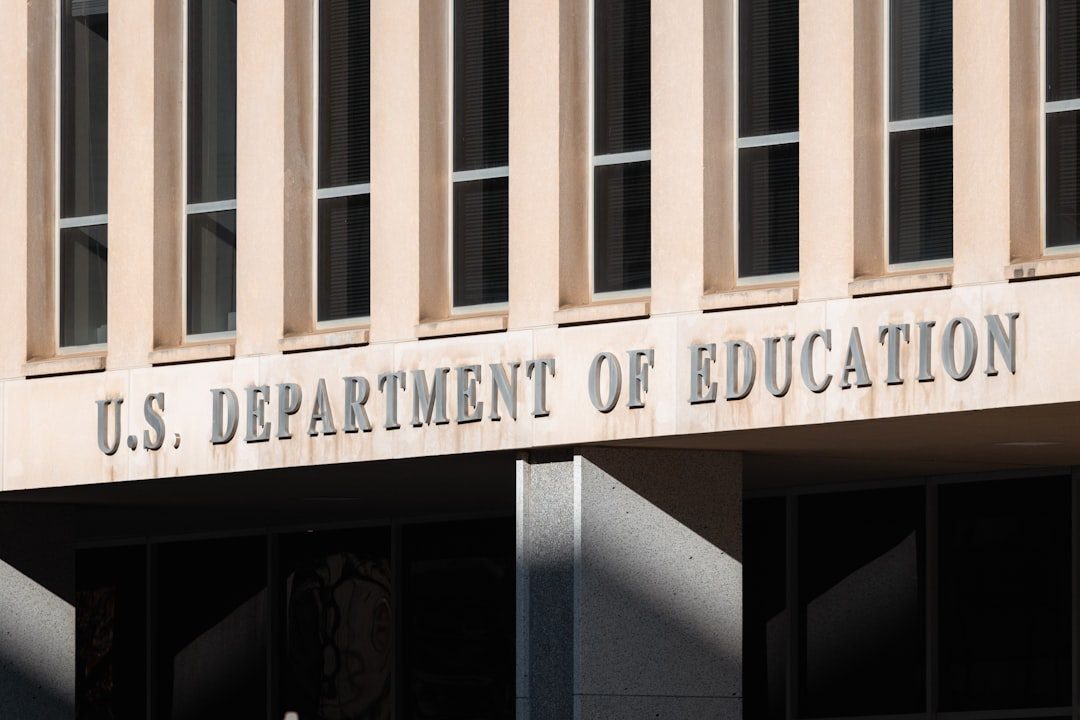
America's only federal survey of how public schools treat students by race, gender and disability arrived on Aug. 31, 2026 — months late, with no summary report, and with every number about nonbinary students replaced by a code: "Suppressed in Compliance with Executive Order." The release covers the 2023-24 school year, when the survey included "nonbinary" as a gender category alongside male and female.

The Civil Rights Data Collection has tracked student civil rights since 1968. The Biden administration designed this year's survey cycle; the Trump administration published it. President Donald Trump's Jan. 20, 2025 executive order, "Defending Women from Gender Ideology Extremism and Restoring Biological Truth to the Federal Government," declared the federal government recognizes only two sexes. The Education Department cited that order as the reason for suppressing the data. The agency also eliminated its summary report, halved the Office for Civil Rights staff, and removed nonbinary and gender identity questions from the next survey cycle entirely.

Why it matters

The federal government's only comprehensive measure of how schools treat students by race, gender and disability just lost its gender identity data and its public summary.

Questions about this story

Free account needed to ask — your question is kept and asked for you right after sign-up. Answers are public.

No questions yet — be the first to ask.

Key Indicators

37
Raw data files released
The 2023-24 CRDC arrived as raw files only, with no First Look Report or public analysis tools.
~1,800
Districts that reported nonbinary student data
All nonbinary and gender identity entries were suppressed before release.
724,000
Transgender children in U.S. schools (UCLA estimate)
Includes nonbinary youth, whose school experiences the CRDC no longer measures.
50%
OCR staff reduction under Trump
The Office for Civil Rights staff was cut by half after January 2025.

Voices

Curated perspectives — historical figures and your fellow readers.

Ever wondered what historical figures would say about today's headlines?

Sign up to generate historical perspectives on this story.

People Involved

Organizations Involved

Timeline

January 2025 September 2026

4 events Latest: September 4th, 2026 · 1 week ago
Tap a bar to jump to that date
  1. NPR and AP document changes to civil rights data

    Latest Report

    Reporting reveals suppressed gender identity data, the missing summary report, and removed nonbinary questions for future cycles.

  2. Education Department quietly releases civil rights data

    Release

    Data published with nonbinary and gender identity entries marked "Suppressed in Compliance with Executive Order." No summary report included.

  3. CRDC misses its publication deadline

    Delay

    The 2023-24 Civil Rights Data Collection was due at end of 2025 but was not released.

  4. Trump signs gender ideology executive order

    Policy

    Order declares the federal government recognizes only two sexes, male and female.

Scenarios

1

Courts order release of suppressed gender identity data

Possible Resolves by Q2 2027

Discussed by: Civil rights legal advocates and former OCR attorneys; suits would name the Education Department

Civil rights organizations file lawsuits under the Administrative Procedure Act or Freedom of Information Act seeking the suppressed nonbinary and gender identity data from the 2023-24 collection. A federal court orders the department to publish the redacted figures or explain the legal basis for suppression beyond the executive order.

2

2025-26 CRDC releases without nonbinary questions, as planned

Likely Resolves by Q2 2028

Discussed by: Education Department statements; researchers tracking the survey's next cycle

The Education Department has already removed nonbinary gender categories and gender identity harassment questions from the 2025-26 survey. The next release, expected around 2027-28, would show the full effect of these survey design changes.

3

Office for Civil Rights completes move to Justice Department

Possible Resolves by Jan 31, 2027

Discussed by: Administration announcements; education policy analysts

The administration's plan to transfer OCR to the Justice Department proceeds through a formal reorganization. The move would separate civil rights enforcement from education data collection, potentially changing how the CRDC is administered and what questions it asks.

Historical Context

3 moments from history that rhyme with this story — and how they unfolded.

1968

Civil Rights Data Collection origins (1968)

The Office for Civil Rights began surveying schools after the Civil Rights Act of 1964, tracking racial disparities in access to educational opportunity. Over time, the survey grew to cover nearly every public school, including charter schools and juvenile-justice facilities.

Then

The survey became the federal government's main tool for identifying discriminatory school practices and informing enforcement.

Now

For over 50 years, the CRDC evolved to cover bullying, discipline, disability services, and access to advanced courses.

Why this matters now

Today's dispute is about narrowing what this long-standing federal survey measures. The data source that has informed school civil rights enforcement for half a century is losing categories, not gaining them.

1981-1983

Reagan administration OCR rollback (1981-1983)

The Reagan administration moved to weaken the Education Department's civil rights enforcement, including efforts to limit the Office for Civil Rights' jurisdiction over disability and sex discrimination cases. OCR enforcement activity dropped sharply in the early 1980s.

Then

OCR investigations fell by roughly half early in Reagan's term.

Now

Congress pushed back, and many enforcement functions were restored through the Civil Rights Restoration Act of 1987.

Why this matters now

Shows a precedent of an administration narrowing OCR's scope and the political fight that followed. The current suppression of data is a quieter mechanism than cutting enforcement budgets.

2019-2020

Census citizenship question (2019-2020)

The first Trump administration added a citizenship question to the 2020 census. Critics said it would depress immigrant participation and skew representation. The Supreme Court blocked the question for lacking a reasoned explanation.

Then

The Commerce Department abandoned the question; the census proceeded without it.

Now

The episode demonstrated how federal data instruments become battlegrounds for policy goals over what counts and who counts.

Why this matters now

Like the CRDC changes, the census fight shows how data collection tools become vehicles for political conflict over which populations are measured and how.

Sources

(7)