

Pull to refresh
Logo
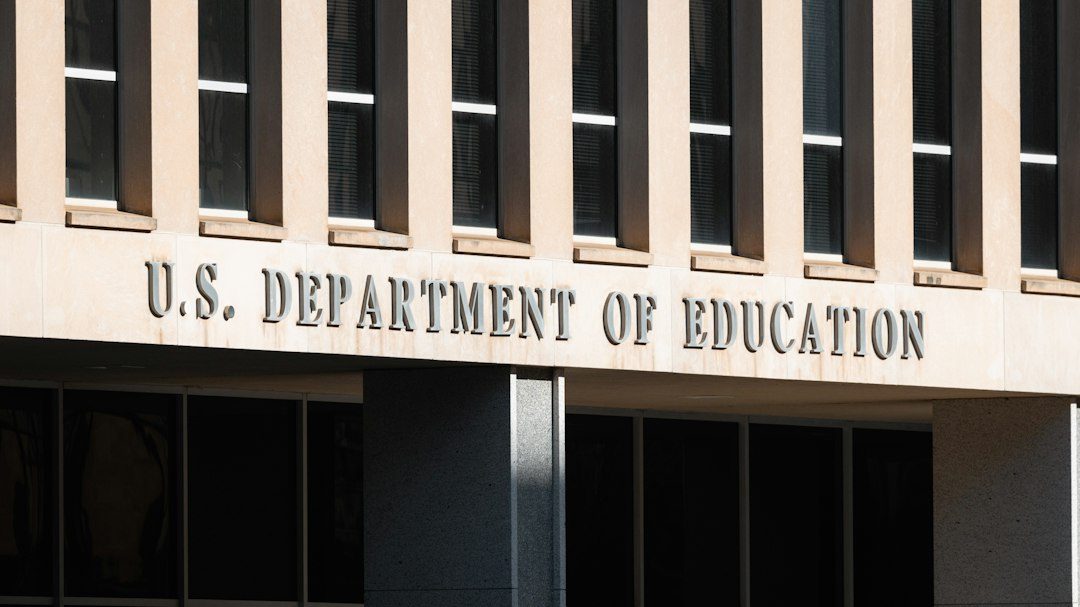
Education Department finalizes accreditation overhaul

Education Department finalizes accreditation overhaul

Rule Changes

New federal recognition rules add transfer-credit appeals, remove geographic limits, and tie accreditors to student outcomes. Early adoption starts Jan. 1, 2027; full effect July 1.

Overview

Updated 7 days ago

The Education Department finalized rules on Oct. 30, 2026, that change who can accredit colleges and how accreditors judge them. Recognized accreditors are the gatekeepers for federal student aid, which sends more than $100 billion in Pell Grants and federal loans to colleges each year. The rule drops the two-year track record for new accreditors, ends regional accreditation boundaries, and bars agencies from enforcing diversity, equity and inclusion practices that violate federal law.

Colleges must explain in writing when they deny comparable undergraduate credit and give students an appeal; more than 230 have joined a voluntary consortium to standardize general-education credits. Accreditors must weigh student outcomes such as completion, licensure pass rates and economic returns, and keep decisions neutral on viewpoint and ideology except for religious missions. The rule takes effect July 1, 2027.

Why it matters

Students get written reasons and an appeal when colleges reject transfer credits, and federal aid depends more on whether graduates finish and find work.

Questions about this story

Free account needed to ask — your question is kept and asked for you right after sign-up. Answers are public.

No questions yet — be the first to ask.

Key Indicators

$100B
Annual Pell Grants and federal student loans
The Education Department says recognized accreditors act as gatekeepers for more than $100 billion in aid each year.
230+
Colleges in transfer-credit consortium
More than 230 institutions have joined the Commission on Colleges and Universities' voluntary Transfer Credit Consortium, as of Nov. 2, 2026.
July 1, 2027
Effective date
The final rule takes effect at the start of the 2027-28 federal aid year.
2 years
Minimum operating history no longer required for new accreditors
The final rule eliminates the two-year track record requirement for initial recognition.
Jan. 1, 2027
Early implementation window
Accreditors may adopt the rule early if they impose no new institutional requirements before July 1, 2027.

Voices

Curated perspectives — historical figures and your fellow readers.

Sign up to generate historical perspectives on this story.

Organizations Involved

Timeline

August 2026 November 2026

4 events Latest: November 2nd, 2026 · 1 week ago
Tap a bar to jump to that date
  1. More than 230 colleges join transfer-credit consortium

    Latest Preparation

    The Commission on Colleges and Universities says more than 230 of its roughly 800 institutions have joined a voluntary consortium to standardize general-education credits. A faculty panel is set to decide membership rules in November, with policies targeted for May.

  2. Final AIM rule published in Federal Register

    Rule

    The rule sets a July 1, 2027 effective date, allows early implementation from Jan. 1, 2027, and reshapes accreditor recognition.

  3. CHEA criticizes final rule

    Reaction

    The accrediting council says clarifications help but core concerns remain.

  4. Education Department releases proposed AIM rule

    Proposal

    Draft would remove the two-year recognition rule and add transfer-credit requirements.

Scenarios

1

Rule takes effect July 1, 2027

Likely Resolves by Jul 1, 2027

Discussed by: The Education Department and higher-education law firms tracking the effective date

The final rule is scheduled to take effect at the start of the 2027-28 aid year. It becomes operative unless a federal court issues an injunction or the department delays it.

2

Federal court blocks accreditation rule before effective date

Possible Resolves by Jul 1, 2027

Discussed by: CHEA and higher-education legal analysts watching implementation

Accreditors and colleges could challenge the rule in federal court before it takes effect. A preliminary injunction or vacatur would stop the recognition changes from applying on schedule.

3

New accreditor recognized under eased entry rules

Possible Resolves by Jul 1, 2028

Discussed by: Higher Ed Dive, which reports the rule is meant to encourage new accreditors to compete

The rule eliminates the two-year operating-history requirement for initial recognition. A new institutional accreditor could win federal recognition and begin competing with established agencies.

Historical Context

2 moments from history that rhyme with this story — and how they unfolded.

2019

2019 accreditation deregulation

The Education Department under Secretary Betsy DeVos finalized rules that removed regional accreditation boundaries and shortened recognition procedures for accrediting agencies.

Then

The rules took effect in 2020, allowing colleges to seek accreditation across regional lines.

Now

They set a deregulatory template that the AIM rule extends to transfer credit and viewpoint neutrality.

Why this matters now

The new rule goes further by adding student appeal rights and outcome measures.

2008

2008 Higher Education Opportunity Act

Congress required accreditors to set standards for student achievement and to monitor institutions' compliance.

Then

Accreditors added outcome measures, but federal recognition remained focused on process.

Now

The law made student outcomes a recognized part of accreditation review.

Why this matters now

AIM turns that expectation into a recognition criterion tied to federal aid eligibility.

Sources

(10)