
Pull to refresh
Logo
Supreme Court denies Trump administration bid to end transgender inmate care

Supreme Court denies Trump administration bid to end transgender inmate care

Rule Changes

7-2 order keeps gender-affirming care available to federal prisoners while lawsuit proceeds

Overview

Updated Oct 22

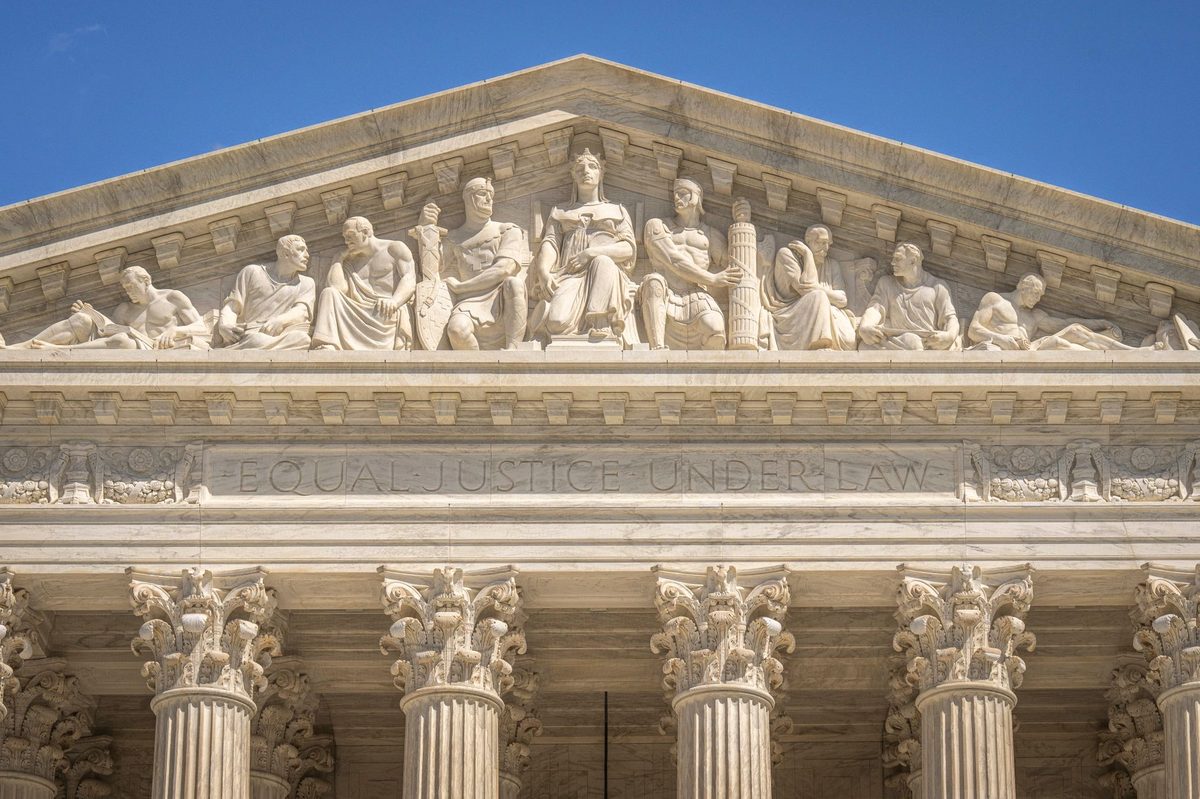
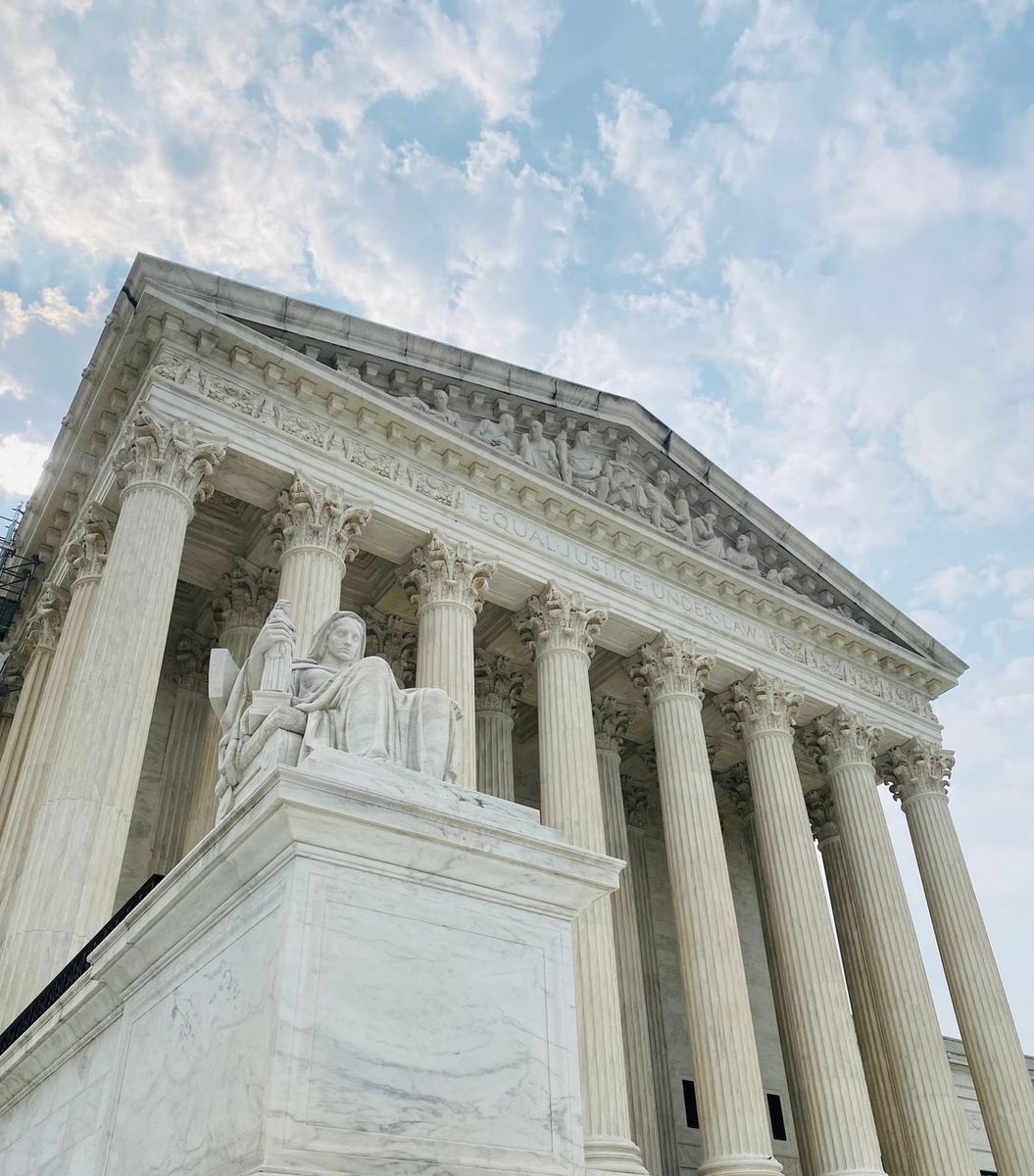
The Supreme Court on Wednesday refused to let the Trump administration enforce new restrictions on medical care for transgender federal inmates. The 7-2 order leaves a lower-court block in place, so the roughly 1,000 people covered by a class action can keep receiving hormone therapy and other gender-affirming care while the case continues.

The policy comes from a January 2025 executive order that barred federal funds for medical procedures or treatments meant to make an inmate look more like the opposite sex. After the order, the Justice Department said it was disappointed but would pursue its appeal in the D.C. Circuit to reinstate the Bureau of Prisons policy.

Why it matters

The ruling keeps gender-affirming care available to roughly 1,000 transgender federal inmates while courts decide whether the Bureau of Prisons can cut it off.

Questions about this story

Free account needed to ask — your question is kept and asked for you right after sign-up. Answers are public.

No questions yet — be the first to ask.

Key Indicators

~1,000
People covered by the class action
The lawsuit represents about 1,000 transgender people in federal custody.
600
Inmates receiving hormone therapy in 2025
BOP reported this figure in court records.
7-2
Supreme Court vote denying the stay request
Justices Thomas and Alito dissented.

Voices

Curated perspectives — historical figures and your fellow readers.

Sign up to generate historical perspectives on this story.

People Involved

Organizations Involved

Timeline

January 2025 October 2026

11 events Latest: October 21st, 2026 · 3 weeks ago Showing 8 of 11
Tap a bar to jump to that date
  1. BOP issues Program Statement 5260.01

    Policy

    BOP issues Program Statement 5260.01, maintaining the ban on gender-affirming health care.

  2. BOP issues implementing memoranda

    Policy

    BOP issues memoranda implementing the executive order's ban on gender-affirming care.

  3. Trump signs executive order on gender-affirming care

    Policy

    Trump signs executive order barring federal funds for gender-affirming care for inmates.

Scenarios

1

D.C. Circuit upholds injunction on appeal

Possible Resolves by Q2 2027

Discussed by: The D.C. Circuit panel already rejected the government's stay request on September 18, suggesting the court is sympathetic to the inmates' position.

The case proceeds on the merits in the D.C. Circuit. If the court upholds Lamberth's injunction, the BOP must continue providing gender-affirming care while the lawsuit continues. The administration could then petition the Supreme Court for review on the merits.

2

Supreme Court reverses on merits

Possible Resolves by End of 2027

Discussed by: The administration's emergency petition argued the district court 'substituted its own policy judgment' for the BOP's and denied prison administrators deference.

The case returns to the Supreme Court on the merits docket. The Court could rule in favor of the administration, finding the BOP's policy change was within its authority. This would allow the policy to take effect.

3

Administration withdraws or revises the policy

Unlikely Resolves by Q2 2027

Discussed by: The BOP said it adopted the policy 'independently of' the executive order, suggesting the agency could revise it to address the court's concerns.

The BOP could withdraw Program Statement 5260.01 or revise it to address the court's concerns about the administrative record. This would moot the lawsuit or narrow its scope.

Historical Context

2 moments from history that rhyme with this story — and how they unfolded.

July 2017 - January 2019

Military transgender ban (2017-2019)

Trump announced a ban on transgender military service in July 2017. Federal courts blocked it, but the Supreme Court allowed the ban to take effect in January 2019 while litigation continued.

Then

The ban went into effect while challenges proceeded in lower courts.

Now

The policy remained in place for years, showing the Supreme Court's willingness to let transgender-related restrictions take effect during litigation.

Why this matters now

In the military case, the Supreme Court allowed the policy to proceed. Here, the Court blocked the policy, showing a different approach to transgender-related restrictions.

June 2020

Bostock v. Clayton County (2020)

The Supreme Court ruled 6-3 that Title VII of the Civil Rights Act protects transgender workers from employment discrimination.

Then

The ruling extended workplace protections to transgender Americans.

Now

It became a key precedent in transgender rights litigation, though its scope beyond employment remains contested.

Why this matters now

The ruling showed the Court's willingness to protect transgender rights under federal law, a backdrop for the current dispute over medical care for transgender inmates.

Sources

(13)