




Pull to refresh
Logo
Xona raises $250 million to build commercial alternative to GPS

Xona raises $250 million to build commercial alternative to GPS

Money Moves

Series D at a $2.45 billion valuation funds a low-Earth-orbit Pulsar navigation network of more than 250 satellites

Overview

Updated Oct 24

Xona Space Systems raised $250 million on October 22 to build a privately owned alternative to GPS. The Series D, led by Steve Jurvetson's Future Ventures, values the Burlingame, California startup at $2.45 billion and brings total funding past $570 million.

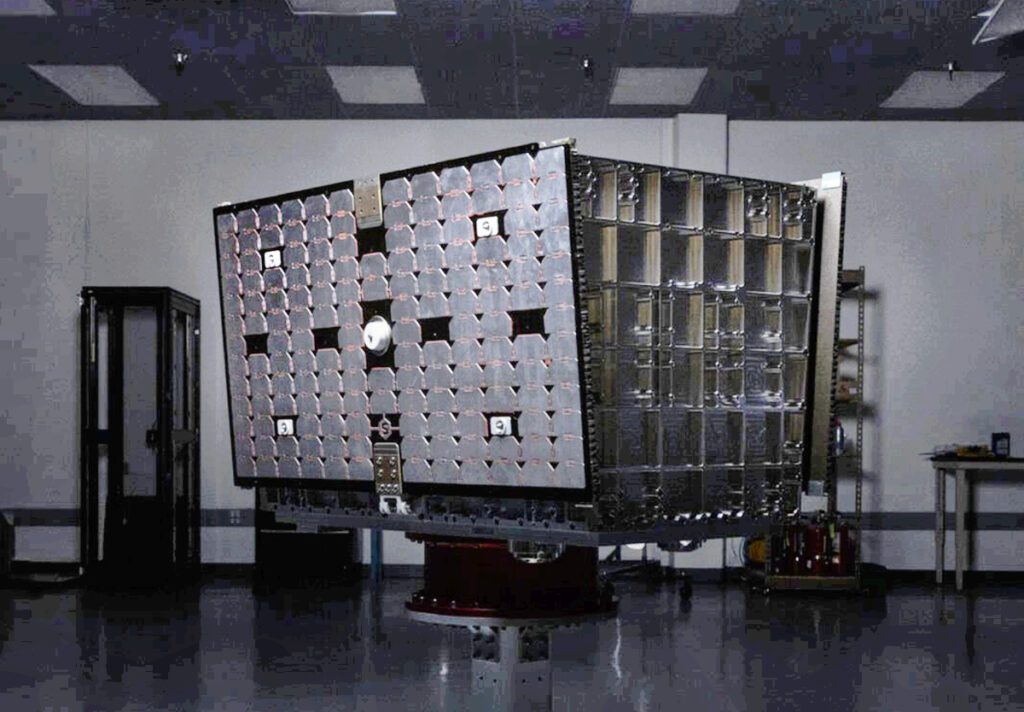
Two days earlier, Xona launched six Pulsar satellites on a SpaceX rideshare, its largest batch yet. Four will begin beta service in several countries in early 2027; the other two, built in-house, test the factory design Xona needs to scale. The company holds FCC authorization for more than 250 satellites and says Pulsar signals are up to 100 times stronger than GPS, with demonstrated positioning accuracy better than two centimeters.

Why it matters

Aviation, farming and logistics could buy positioning from a company instead of relying on the U.S. government's 50-year-old GPS.

Questions about this story

Free account needed to ask — your question is kept and asked for you right after sign-up. Answers are public.

No questions yet — be the first to ask.

Key Indicators

$250M
Series D round
Announced October 22, 2026, led by Future Ventures.
$2.45B
Post-money valuation
Reported by SpaceNews and the company.
$570M+
Total capital raised since 2019
Cumulative funding across all rounds.
250+
Satellites authorized for the full network
The FCC approved deployment of more than 250 satellites in August 2026.
6
Pulsar satellites launched Oct 20, 2026
Largest batch yet; four will serve customers in 2027.
100x
Signal strength vs. GPS
Company claim for Pulsar signal power over traditional GPS.

Voices

Curated perspectives — historical figures and your fellow readers.

Sign up to generate historical perspectives on this story.

People Involved

Organizations Involved

Timeline

2019 October 2026

7 events Latest: October 22nd, 2026 · 3 weeks ago
Tap a bar to jump to that date
  1. $250 million Series D announced

    Latest Funding

    Future Ventures leads round at a $2.45 billion valuation; total funding passes $570 million.

  2. Six Pulsar satellites launched

    Launch

    SpaceX Bandwagon-5 rideshare carries Xona's largest batch; four will serve customers in 2027.

  3. New operations chief named

    Leadership

    Xona appoints a new operations chief as Pulsar enters scaled production.

  4. FCC grants navigation license

    Regulatory

    First-of-its-kind authorization for a commercial satellite navigation constellation.

  5. Pulsar Verified receiver program launched

    Partnership

    Xona names Trimble, Septentrio, STMicroelectronics, Safran, StarNav, and Keysight as certification partners.

  6. Pulsar-0 test satellite proves the concept

    Milestone

    Launch of first test satellite; 500+ transmissions and sub-2-centimeter positioning demonstrated.

  7. Xona founded

    Founding

    Company established in Burlingame to build commercial satellite navigation.

Scenarios

1

Pulsar begins commercial beta service on schedule

Likely Resolves by Q2 2027

Discussed by: Xona's announced roadmap and SpaceNews coverage

Four of the six satellites launched October 20 are slated to support beta service in multiple countries beginning early 2027. The trigger is launch cadence holding while receiver partners such as Trimble and Septentrio ship Pulsar-compatible firmware. If both schedules converge, paying customers receive positioning data on schedule.

2

Deployment slips; commercial service pushed past mid-2027

Possible Resolves by End of 2027

Discussed by: DevCuration analysis of coverage and receiver timelines

DevCuration notes that Xona must expand usable coverage while partners bring compatible products into the field, and that the two schedules have to meet in a customer's actual deployment. A slip in satellite production, launch availability, or receiver certification would push beta past the announced window. Xona targets multiple satellites per week by end of 2027, a production objective rather than current throughput.

3

Government anchor order accelerates defense and aviation adoption

Possible Resolves by End of 2027

Discussed by: GAO September 2026 report on FAA jamming and spoofing risks

A September 2026 Government Accountability Office report found the Federal Aviation Administration had identified risks from signal jamming and spoofing but had not completed the necessary assessments. That documented federal vulnerability creates an opening for alternative PNT providers. A U.S. or allied government contract would validate Xona's defense business case and accelerate adoption.

Historical Context

2 moments from history that rhyme with this story — and how they unfolded.

1997-1999

Iridium bankruptcy (1999)

Motorola-backed Iridium built a 66-satellite phone network at a cost of roughly $5 billion, then filed for Chapter 11 bankruptcy in 1999 after failing to find enough customers. The assets sold for a fraction of their build cost.

Then

The constellation was rescued by investors for pennies on the dollar and kept operating.

Now

Iridium was revived, found paying customers in maritime and aviation, and became profitable. The lesson was that commercial constellations can survive, but only if they clear the cost of building a network before revenue arrives.

Why this matters now

Xona's 258-satellite plan carries the same pattern: huge upfront capital, revenue that starts small and grows. The Iridium path shows the risk of scaling before the market is proven.

2019-present

Starlink's LEO production model (2019-present)

SpaceX proved that vertical integration, in-house manufacturing, and reusable launch make low-Earth-orbit constellations commercially viable. It deployed thousands of satellites and iterated on the design continuously.

Then

Starlink became the dominant LEO broadband provider, demonstrating demand for commercial space infrastructure.

Now

The model reset expectations for how fast and cheaply satellite constellations can be built and refreshed.

Why this matters now

Xona explicitly copies the playbook: in-house satellite factory in Burlingame, manufacturing cadence of multiple satellites per week, and continual design improvement. Starlink shows the approach can work; it does not guarantee it will.

Sources

(13)