0
would cloud cover be an issue?
Cloud cover is not a meaningful obstacle — AST SpaceMobile uses standard cellular (LTE) frequencies that pass through clouds and rain with negligible loss.
Why it matters: This is a key advantage over traditional satellite internet services like Starlink's Ka-band, which can suffer significant rain fade.
- AST's satellites operate in the same sub-3 GHz cellular bands used by terrestrial towers. At those frequencies, atmospheric water — clouds, rain, humidity — causes very little signal attenuation.
- Rain fade is a real problem for high-frequency satellite systems (Ku-band at 12–18 GHz, Ka-band at 26–40 GHz), but the physics don't apply at cellular frequencies.
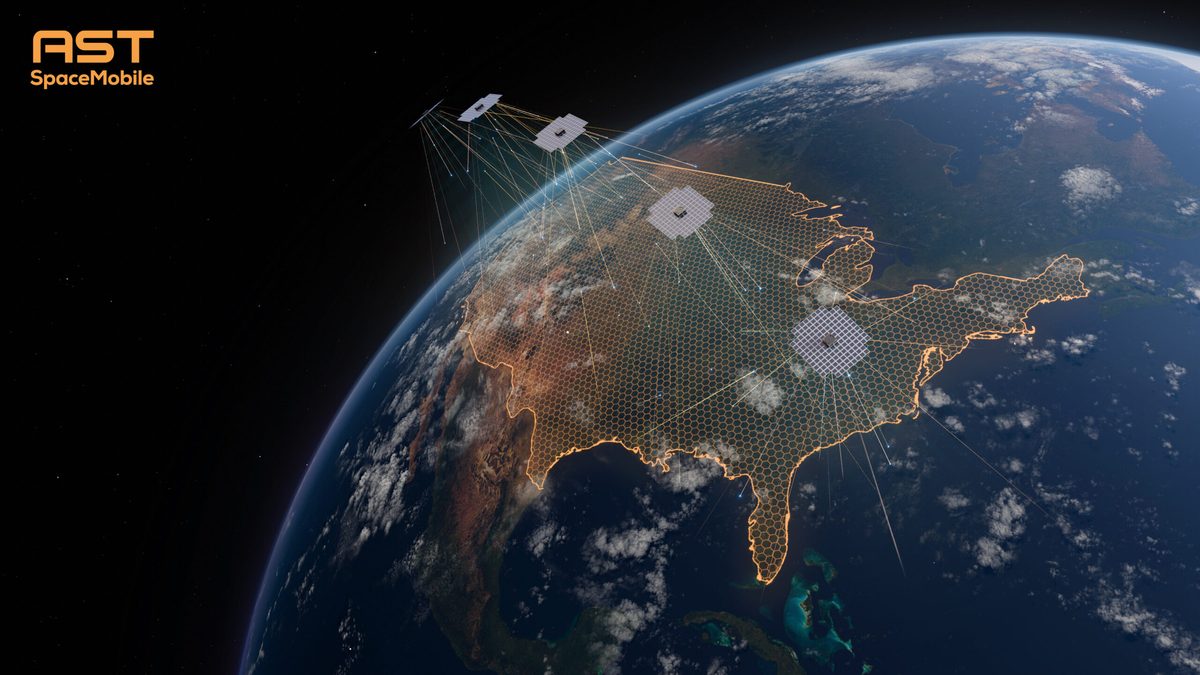
- AST itself says its large phased arrays deliver enough signal strength to work through "any weather conditions" and even indoors — one wall in.
- The tradeoff is that lower frequencies carry less bandwidth, which is why AST targets voice and basic data for unserved areas rather than competing with fiber-speed broadband.
Room for disagreement
- AST's own claims about all-weather, through-wall performance come from its marketing materials and haven't been independently stress-tested across a full constellation at scale — actual coverage in heavy tropical downpours or dense urban multipath remains to be proven in live service.
AI-generated with web search — may be wrong. Check the linked sources.