Pull to refresh
Logo
Daily Brief
Following
Why Ranks Sign Up
Quantum Space goes public through SPAC merger

Quantum Space goes public through SPAC merger

Money Moves

A former NASA chief's space-defense startup takes a blank-check route to the Nasdaq at a $1.2 billion valuation

June 8th, 2026: $1.2 billion SPAC merger signed

Overview

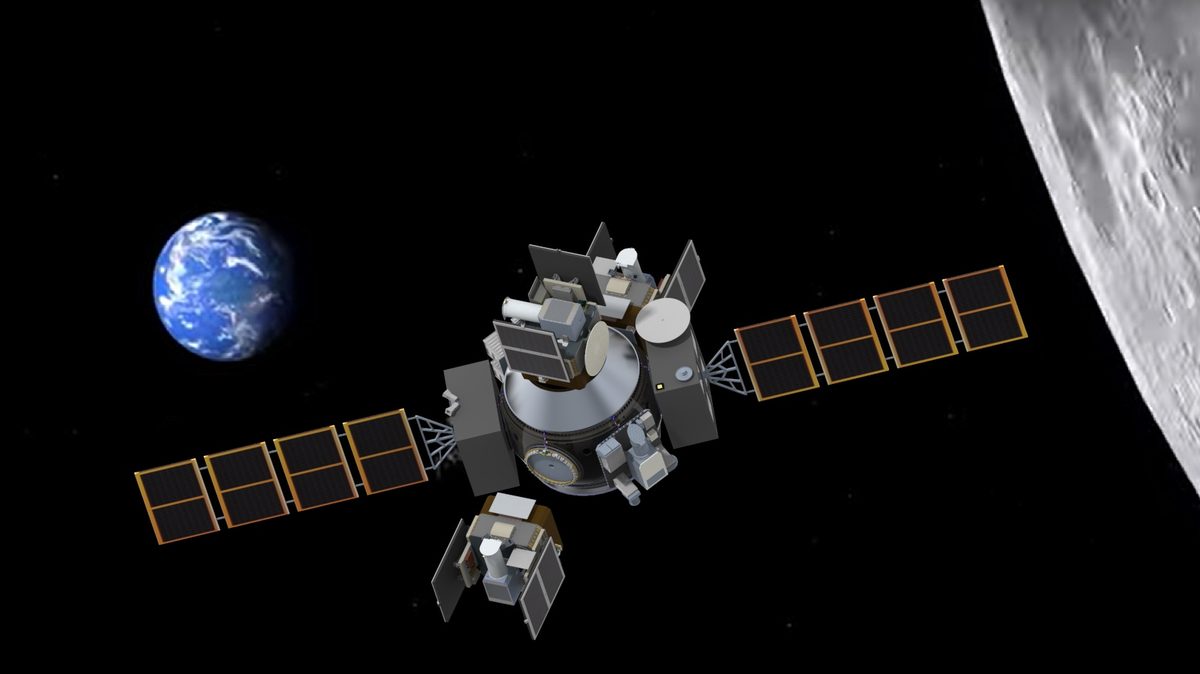
Quantum Space, a five-year-old startup building maneuverable spacecraft for the U.S. military, has agreed to go public. It will merge with Inflection Point Acquisition Corp. VI, a shell company that exists only to take a private firm public, in a deal valuing the combined business at about $1.2 billion.

The cash matters more than the headline number. The deal adds a $300 million private investment, money the company says will go toward mass-producing its Ranger spacecraft and a new factory in Tulsa, Oklahoma. Quantum Space has contracts and proposals with the Space Force, DARPA, and the Air Force, but it has not yet flown its first Ranger.

Why it matters

A space-defense startup is betting public-market cash can scale spacecraft production before rivals lock up the Pentagon's orbital-mobility contracts.

Questions about this story

0

What is phase four?

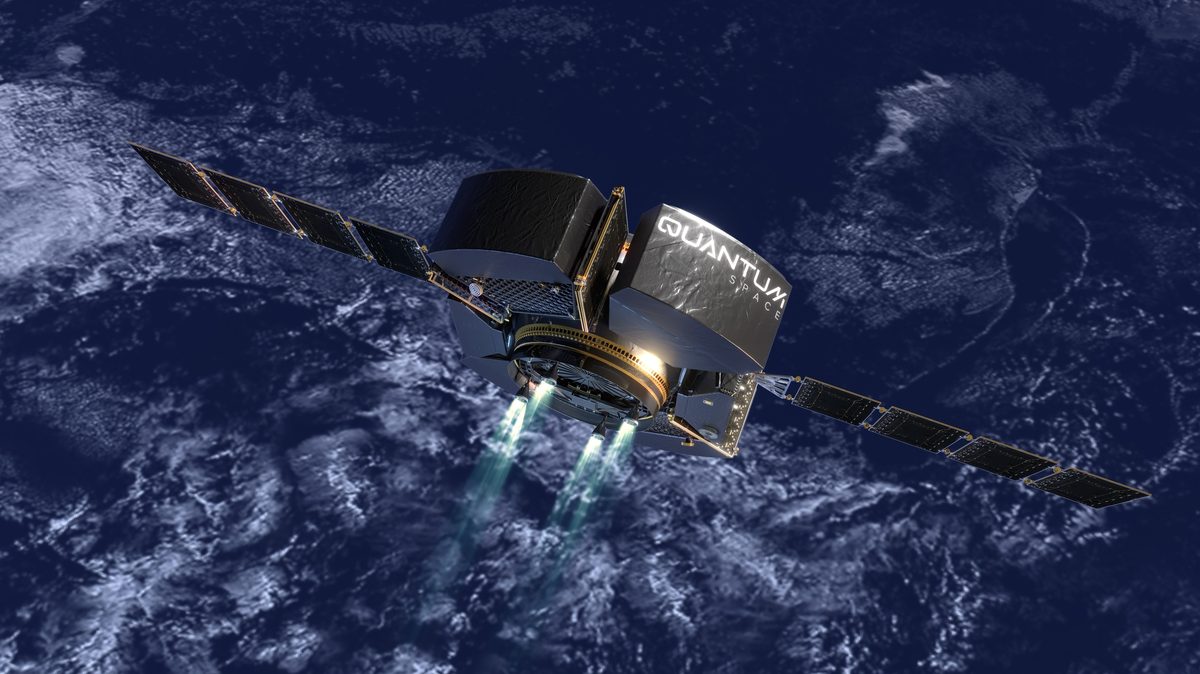
Phase Four is a propulsion company whose multi-mode thruster technology Quantum Space acquired in September 2025 — it's now the engine powering the Ranger spacecraft.

Why it matters: The acquisition gives Quantum Space a single propulsion system that handles both high-thrust chemical maneuvers and efficient electric propulsion, critical for the long-range cislunar missions the company is pitching to the Pentagon.

  • Phase Four built the Maxwell radio-frequency (RF) thruster, which combines chemical and electric thrust in one unit — letting Ranger operate efficiently across low-Earth orbit, GEO, and cislunar space.
  • Quantum Space took over Phase Four's Hawthorne, CA integration and test facility, which can produce up to 100 engines per year.
  • The deal transferred Phase Four's full IP portfolio and manufacturing equipment; financial terms were not disclosed.
AI-generated with web search — may be wrong. Check the linked sources.
0

What does this company do exactly?

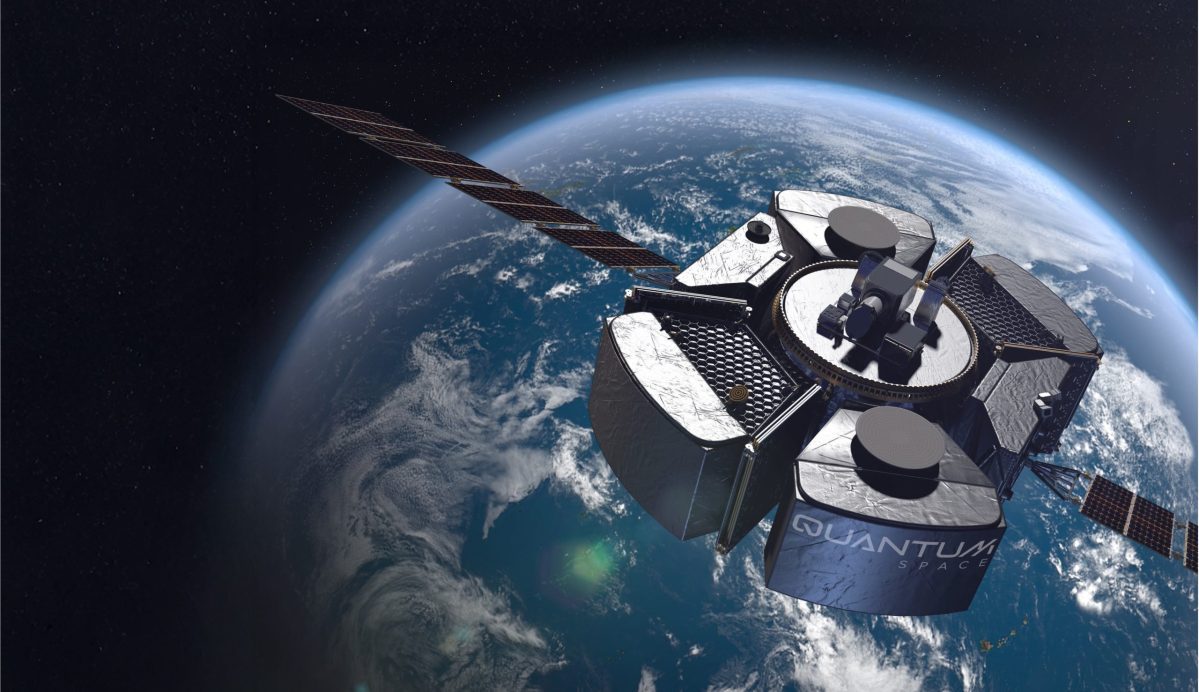
Quantum Space builds small maneuverable spacecraft — called Ranger — that can move around in orbit, keep watch over other satellites, and eventually dock with them to extend their working lives.

Why it matters: Most satellites are stationary sitting ducks; a mobile spacecraft that can reposition, inspect, or service them is increasingly valuable to a military worried about adversaries targeting U.S. assets in space.

  • Ranger is designed to operate across low Earth orbit, medium Earth orbit, geosynchronous orbit, and cislunar space — the region between Earth and the Moon — giving it far wider range than most spacecraft.
  • Its propulsion combines chemical and electric thrust (technology acquired from Phase Four in September 2025), letting it maneuver quickly or efficiently depending on the mission.
  • Military customers include the Space Force, DARPA, and the Air Force Research Laboratory; Quantum Space is also eligible to compete for task orders under the Space Force's $6.2 billion Andromeda program.
  • The first Ranger launch is targeted for mid-2026; a new factory in Tulsa, Oklahoma will handle large-scale production after the SPAC deal closes.
Room for disagreement
  • Quantum Space frames Ranger as already proven technology; skeptics note the company hasn't flown a single spacecraft yet, making the $1.2 billion valuation a bet on future performance rather than a track record.
AI-generated with web search — may be wrong. Check the linked sources.
Key Indicators

$1.2B
Combined company valuation
What the merged Quantum Space is valued at in the deal.
$300M
Private investment (PIPE)
Fresh cash earmarked to scale Ranger manufacturing.
~50%
Existing shareholder stake
The share current owners expect to keep in the combined company.
$6.2B
Andromeda program eligibility
Space Force task-order pool Quantum Space can bid into.

Voices

Curated perspectives — historical figures and your fellow readers.

Ever wondered what historical figures would say about today's headlines?

Sign up to generate historical perspectives on this story.

Play

Exploring all sides of a story is often best achieved with Play.

Log in to play. Track your picks, climb the leaderboards. Log in Sign Up
Predict 4 ways this could play out. Contrarian picks score more — points lock when the scenario resolves. Log in to play
Higher or Lower Two numbers from this story. Guess which is bigger. 5 rounds to set a streak. Log in to play
Connections Sixteen names from the news. Find the four hidden groups of four. Log in to play

People Involved

Organizations Involved

Timeline

June 2021 June 2026

4 events Latest: June 8th, 2026 · 1 month ago
Tap a bar to jump to that date
  1. $1.2 billion SPAC merger signed

    Latest Deal

    Quantum Space agrees to merge with Inflection Point Acquisition Corp. VI. The deal includes a $300 million private investment and plans to list on Nasdaq as 'QSPC,' with closing targeted for the fourth quarter of 2026.

  2. Bridenstine named CEO

    Leadership

    Former NASA Administrator Jim Bridenstine takes over as chief executive. Kerry Wisnosky moves to president, and Ghaffarian stays as chairman.

  3. Phase Four propulsion acquired

    Deal

    Quantum Space buys multi-mode propulsion technology from Phase Four, combining chemical and electric thrust for the Ranger platform.

  4. Quantum Space founded

    Origin

    Kam Ghaffarian starts the company in Rockville, Maryland, to build maneuverable spacecraft for defense and commercial orbital missions.

Historical Context

3 moments from history that rhyme with this story — and how they unfolded.

2020–2021

The space-SPAC wave (2020–2021)

Dozens of space startups went public through SPAC mergers during a boom, including Virgin Galactic, Rocket Lab, Astra, Momentus, and Planet. Many had little or no revenue and promised aggressive launch and growth timelines to public investors.

Then

The companies raised billions quickly without the scrutiny of a traditional IPO.

Now

Most traded far below their starting price. Astra and Momentus cratered, and Virgin Orbit went bankrupt in 2023. Rocket Lab is the rare survivor that grew into its valuation.

Why this matters now

Quantum Space is taking the same route, with the same gap between promise and flight record. The earlier wave shows both the speed SPACs offer and how punishing public markets are when milestones slip.

February 2020

Northrop Grumman's first satellite-servicing docking (2020)

Northrop Grumman's Mission Extension Vehicle docked with an aging Intelsat satellite in orbit and took over its navigation, extending its working life. It was the first time one commercial spacecraft serviced another in geostationary orbit.

Then

The mission proved that on-orbit servicing works and that customers will pay to extend a satellite's life.

Now

It opened a market for refueling, repair, and relocation that Quantum Space and rivals now chase, but Northrop remains the incumbent with real flight experience.

Why this matters now

Ranger targets the exact capabilities Northrop already demonstrated. The 2020 docking is the bar Quantum Space must clear to win commercial servicing work, and it shows the work is hard but doable.

April 2026

True Anomaly's rapid defense-space rise (2026)

Rival startup True Anomaly reached a $2.2 billion valuation and won a contract worth $3.2 billion for missile-interception prototypes, moving fast in the same military space-mobility market Quantum Space targets.

Then

True Anomaly's funding and contract wins set a competitive benchmark for the field.

Now

The race is still open; no single firm has locked up the Pentagon's orbital-mobility spending.

Why this matters now

Quantum Space's public listing is partly a race for capital against rivals like True Anomaly and Impulse Space. Whoever scales production and flies first is positioned to win the larger defense contracts.

Sources

(5)