Defense tech startups race to public markets as Pentagon spending surges
Money Moves
AEVEX joins a wave of defense technology companies—including Arxis and Swarmer—tapping public investors amid record military budgets and battlefield-proven drone technology
AEVEX joins a wave of defense technology companies—including Arxis and Swarmer—tapping public investors amid record military budgets and battlefield-proven drone technology
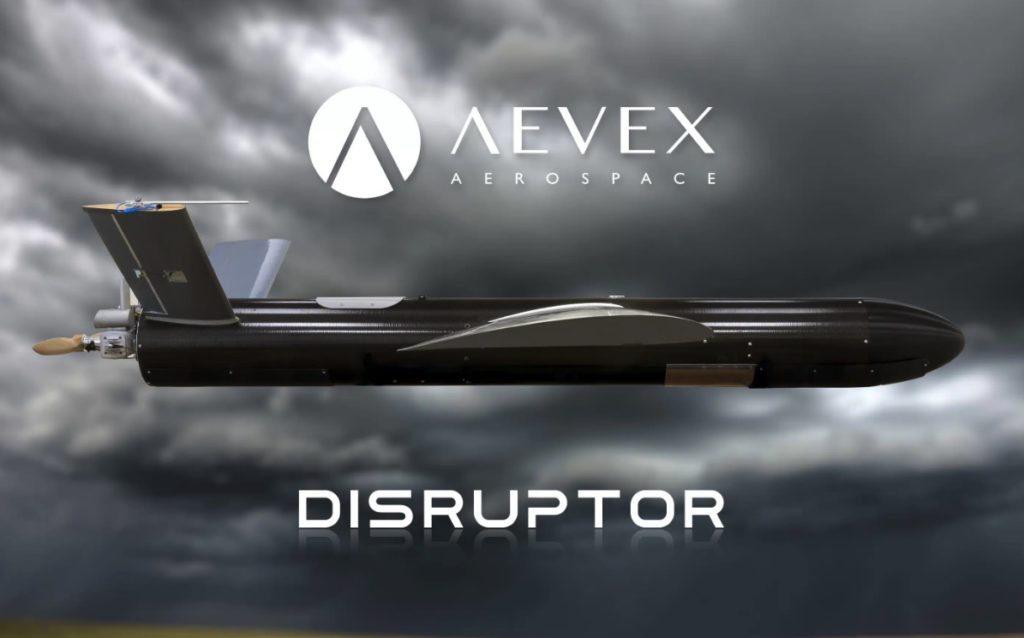
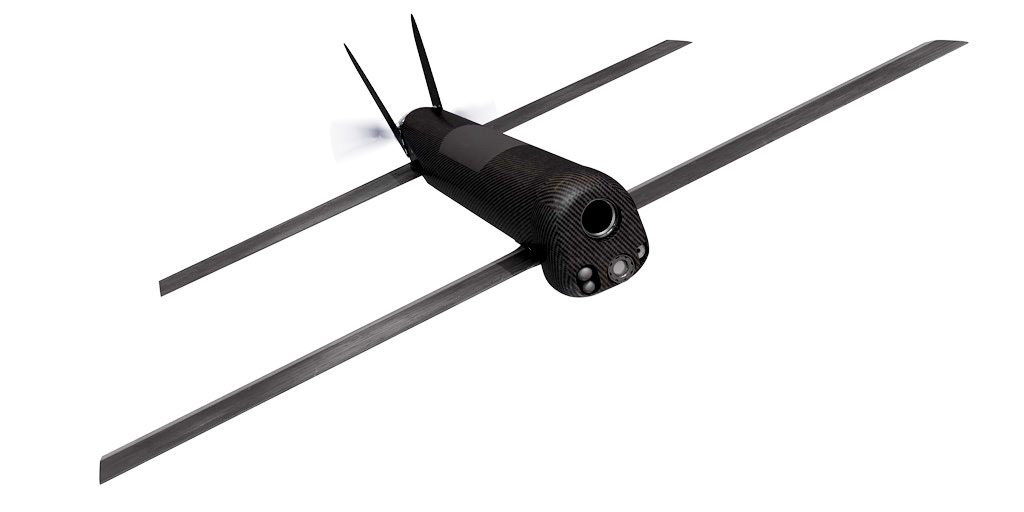
AEVEX Aerospace, a maker of military drones and airborne surveillance systems, began trading on the New York Stock Exchange on April 17, 2026, under the ticker AVEX—and its first day answered a central question about the defense tech IPO wave. Shares opened at $23.01 and closed at $26.93, a 34.7% gain that pushed its market capitalization to roughly $3 billion, well above the $2.35 billion valuation at pricing.
The company had raised $320 million by pricing 16 million shares at $20 each, and the offering was multiple times oversubscribed, with private equity firm Madison Dearborn Partners retaining 79% voting control. On its second day of trading, April 18, AEVEX shares held near that level, trading in a $23 to $27.96 range as institutional positioning stabilized. AEVEX was not the only defense company testing public market appetite that week or in the months prior: satellite maker York Space Systems raised $629 million in a January 2026 NYSE debut, components maker Arxis raised $1.13 billion on April 16 and held its gains near $38 in subsequent trading, Ukrainian drone software company Swarmer jumped more than 500% on its March 17 Nasdaq listing, and signals intelligence firm HawkEye 360 had filed its own IPO prospectus days before AEVEX's debut.
The timing reflects a structural shift in how defense technology is funded. Defense tech venture capital deals hit $49.1 billion in 2025, nearly doubling the prior year. The Pentagon's proposed fiscal year 2027 budget of $1.5 trillion would be a 44% increase, the largest jump since the Korean War, with $13.4 billion earmarked for autonomous systems. Europe is rearming at a pace not seen in decades, and the Ukraine conflict has made autonomous drones a proven battlefield technology rather than a speculative bet. Anduril Industries, the sector's most anticipated potential listing, won a U.S. Army contract worth up to $20 billion in March 2026, raised $4 billion from private investors earlier in 2026, and its autonomous YFQ-44A Fury fighter completed a major test flight on April 16; secondary market trading now implies a valuation above $60 billion. For investors who once avoided defense on ethical grounds, those objections have largely evaporated: the number of venture firms actively investing in defense tech rose 41% in 2025.
Why it matters
Record military budgets and battlefield-proven drone technology are creating the largest defense investment wave since the Cold War ended.
Questions about this story
Free account needed to ask — your question is kept and asked for you right after sign-up. Answers are public.
No questions yet — be the first to ask.
Key Indicators
$49.1B
Defense tech VC deals in 2025
Nearly doubled from $27.2 billion in 2024, a record high
$1.5T
Proposed FY2027 Pentagon budget
Would be the largest U.S. defense budget in history, a 44% increase
+34.7%
AEVEX first-day gain
Shares closed at $26.93 on April 17 debut, pushing market cap to ~$3 billion
200,000+
Drones Pentagon plans to buy by 2027
Under the Drone Dominance Program at target costs as low as $2,300 each
41%
Increase in VC firms investing in defense
Mainstream venture capital firms dropping prior ethical objections to military work
22 events
Latest: April 18th, 2026 · 5 months ago
Showing 8 of 22
JK to step
Tap a bar to jump to that date
Jump to
April 2026
AEVEX holds near debut close on second trading day
LatestTrading
AEVEX shares traded in a $23.00–$27.96 range on their second NYSE session, consolidating near the $26.93 first-day close as institutional positioning stabilized.
AEVEX begins trading on NYSE at ~$2.4 billion valuation
IPO
AEVEX Aerospace debuts under ticker AVEX, with Madison Dearborn Partners retaining 79% voting control. The listing is the latest in a string of defense tech companies tapping public markets.
AEVEX surges 34.7% on NYSE debut, closing at $26.93
Trading
AEVEX shares opened at $23.01 and closed at $26.93 on their first trading day, a 34.7% gain that pushed the company's market cap to roughly $3 billion. The oversubscribed offering validated institutional appetite for hardware-heavy defense IPOs.
Arxis (ARXS) holds near debut gains in second trading session
Trading
Arxis shares traded in a $36.09–$39.24 range on their second Nasdaq session, settling around $37.90–$38.00—confirming that the 36% first-day surge from the $28 IPO price held with limited profit-taking.
Arxis raises $1.13 billion in IPO, shares jump 36% on debut
IPO
Aerospace and defense components maker Arxis (Nasdaq: ARXS) priced at $28/share—the top of its range—raising $1.13 billion at an $11.2 billion valuation. Shares opened at $38 the following morning, a 36% first-day gain, providing a strong tailwind for AEVEX's NYSE debut the next day.
Anduril's YFQ-44A Fury autonomous fighter completes test flight at Edwards AFB
Milestone
The Air Force's new Experimental Operations Unit flew and maintained Anduril's YFQ-44A Fury collaborative combat aircraft from Edwards Air Force Base, marking a significant operational milestone for the autonomous fighter program.
HawkEye 360 files for NYSE IPO
IPO
Satellite-based signals intelligence company HawkEye 360 files to go public just days before AEVEX's debut, with 2025 revenue of $117.7 million, up 74% year-over-year.
AEVEX announces launch of initial public offering
IPO
AEVEX files to sell 16 million shares at $18–21 each, targeting a raise of $312–336 million with Goldman Sachs, Bank of America, and Jefferies as lead bookrunners.
White House proposes record $1.5 trillion defense budget
Policy
The proposed fiscal year 2027 Pentagon budget would represent a 44% increase—the largest since the Korean War—with $13.4 billion specifically earmarked for autonomous systems.
SpaceX confidentially files for Nasdaq IPO at ~$1.75 trillion valuation
IPO
SpaceX submitted a confidential IPO filing with the SEC on April 1, 2026, targeting a June Nasdaq listing. Reports cite a valuation of roughly $1.75 trillion and a potential raise of up to $75 billion—figures that, if realized, would make it the largest public offering in history and the defining event of the 2026 defense and space tech IPO wave. SpaceX holds multi-billion-dollar contracts with the Pentagon and NASA.
March 2026
Shield AI raises $2 billion at $12.7 billion valuation
Investment
Shield AI closes a $2 billion round after a U.S. Air Force contract, with its valuation jumping 140%. The company projects more than $540 million in revenue.
Swarmer surges 520% on Nasdaq debut, signaling extreme investor appetite for drone tech
IPO
Ukrainian AI drone software company Swarmer (Nasdaq: SWMR) priced at $5/share and opened at $12.50, surging as much as 520% on its first day. The company's Trident OS platform has powered more than 100,000 combat missions in Ukraine since 2024. Analysts flagged a 2,161x revenue multiple, but the debut underscored how intensely public investors are chasing battlefield-tested drone technology.
Anduril wins U.S. Army contract worth up to $20 billion
Contract
Anduril Industries secured a U.S. Army enterprise contract worth up to $20 billion, one of the largest awards in the company's history, further cementing its position as the most consequential private defense tech firm and adding weight to its eventual IPO case.
January 2026
York Space Systems raises $629 million in upsized NYSE IPO
IPO
Satellite manufacturer York Space Systems priced an upsized IPO at $34/share, raising $629 million and opening at $38—an 11.7% first-day gain—as demand from Pentagon and Space Development Agency contracts drove investor interest.
Defense tech VC hits record $49.1 billion for 2025
Investment
Year-end data shows defense tech venture capital deals nearly doubled to $49.1 billion in 2025, with the number of investing firms up 41%.
2026
Anduril raises $4 billion in new private funding
Investment
Anduril raised approximately $4 billion in a 2026 funding round tied to accelerating defense procurement driven in part by ongoing geopolitical tensions. The round pushes its implied valuation well above its last formal mark of $30.5 billion and extends its runway as it prepares for an eventual public listing.
December 2025
Pentagon launches Drone Dominance Program
Policy
The Department of Defense announces plans to purchase more than 200,000 industry-made drones by 2027, with first-phase deliveries of 30,000 one-way attack drones by July 2026.
November 2025
York Space Systems files for NYSE IPO
IPO
Satellite manufacturer York Space Systems files to go public, reporting revenue of $280.9 million for the first nine months of 2025, up 59% year-over-year.
AEVEX launches its "Drone Factory of the Future" by acquiring RapidFlight's additive manufacturing technology, enabling 3D-printed modular drone airframes at the tactical edge.
August 2025
Firefly Aerospace IPO pops 30% on first day
IPO
Space launch company Firefly Aerospace debuts on Nasdaq at $45 per share, closing its first day at $60.35—a signal of strong investor appetite for defense and space tech.
June 2025
Anduril raises at $30.5 billion valuation
Investment
Anduril Industries closes a funding round valuing it at $30.5 billion, cementing its status as the most valuable private defense tech company.
January 2024
Defense tech VC funding begins accelerating
Investment
Venture capital investment in defense technology startups reaches $27.2 billion in 2024 deals, setting the stage for a record-breaking 2025.
Scenarios
1
Defense tech IPO wave peaks with Anduril listing, sector becomes permanent Wall Street fixture
Likely
Discussed by: Bessemer Venture Partners, Renaissance Capital, defense industry analysts
Anduril goes public in late 2026 or 2027 at a valuation above $50 billion, validating the entire sector. Shield AI, Skydio, and a half-dozen other companies follow within 18 months. Defense tech earns its own sector classification alongside traditional primes like Lockheed Martin and Raytheon. Sustained Pentagon budgets above $1 trillion and European rearmament provide durable revenue bases. The sector draws institutional investors who previously only held legacy defense stocks.
The proposed $1.5 trillion defense budget faces steep resistance in Congress, where deficit concerns force significant cuts. Sequestration-like spending caps return. Defense tech companies that priced their IPOs on the assumption of ever-growing military budgets see revenues plateau. Some newly public companies trade below their offering prices within a year, cooling investor enthusiasm and delaying later IPOs like Anduril's.
Discussed by: S&P Global Market Intelligence, defense M&A analysts
Rather than competing with nimble startups on autonomy and software, established contractors like Lockheed Martin, RTX (formerly Raytheon), and Northrop Grumman go on an acquisition spree—much as the post-Cold War wave of mergers created today's defense giants. Several companies that filed for IPOs accept acquisition offers instead. The defense tech startup ecosystem gets absorbed into the existing industrial base rather than creating a lasting parallel to it.
Discussed by: European Council on Foreign Relations, peace and conflict researchers
A ceasefire in Ukraine, stabilization in the Taiwan Strait, or a shift in U.S. foreign policy toward retrenchment removes the urgency driving defense spending. European rearmament slows as the immediate threat perception fades. Defense tech valuations, built on assumptions of sustained conflict and rising budgets, compress sharply. Companies with diversified commercial applications survive; pure-play military drone makers struggle.
Historical Context
3 moments from history that rhyme with this story — and how they unfolded.
1 of 3
1993 – 1997
Post-Cold War defense consolidation (1993–1997)
After the Soviet Union collapsed, the Pentagon's budget shrank 35% in real terms. Defense Secretary Les Aspin hosted a dinner in 1993—later called the "Last Supper"—where he told executives that half of them would not survive as independent companies. Within four years, Lockheed merged with Martin Marietta, Northrop acquired Grumman, Boeing absorbed McDonnell Douglas, and Raytheon bought Hughes Electronics.
Then
The number of major defense prime contractors shrank from over a dozen to five. Tens of thousands of defense workers lost their jobs as duplicative operations were eliminated.
Now
The consolidated primes became enormously powerful but also slow-moving, creating the very gap that today's startups are trying to exploit. The Pentagon's current frustration with the pace of innovation from legacy primes is a direct consequence of the consolidation it encouraged 30 years ago.
Why this matters now
If budget growth stalls or reverses, the current crop of defense tech startups may face a similar wave of consolidation—acquired by the same legacy primes they are trying to displace. The "Last Supper" pattern suggests that defense market contractions favor large incumbents over small innovators.
2 of 3
September 2001 – 2008
Post-9/11 defense industry surge (2001–2008)
Defense contractor stocks surged on the first trading day after the September 11 attacks. Over the following seven years, U.S. military spending exceeded Cold War peaks as the wars in Afghanistan and Iraq drove annual budget increases above 10%. Companies like Northrop Grumman, General Dynamics, and L-3 Technologies saw revenues and stock prices multiply.
Then
Defense stocks outperformed the market for nearly a decade. New entrants focused on counterterrorism, surveillance, and force protection became acquisition targets.
Now
The boom ended with budget sequestration in 2013, which imposed automatic spending caps and forced painful cuts. Companies that had built their business models around ever-growing budgets were hit hardest.
Why this matters now
Today's defense tech wave shares the post-9/11 pattern of a geopolitical shock (Ukraine, China tensions) driving rapid spending increases. The sequestration aftermath is a cautionary parallel for companies pricing IPOs on the assumption that proposed budget increases will materialize.
3 of 3
September 2020
Palantir Technologies IPO (2020)
Palantir, a data analytics company with deep government and intelligence community ties, went public via direct listing on the NYSE at a $22 billion valuation. Founded in 2003 with Central Intelligence Agency backing through In-Q-Tel, Palantir had spent 17 years as a private company before listing. Its government revenue was approximately 56% of total sales at the time of listing.
Then
The stock nearly tripled in its first three months as retail and institutional investors piled in. Palantir became the proof-of-concept that defense and intelligence-focused tech companies could thrive in public markets.
Now
Palantir's market capitalization grew to over $250 billion by early 2025, making it one of the most valuable defense-adjacent companies in the world. Its success opened the door for the current wave of defense tech IPOs by demonstrating that public investors would pay premium valuations for government-focused technology.
Why this matters now
Palantir is the direct ancestor of the current defense tech IPO boom. AEVEX and its peers are following the trail Palantir blazed, though they face a key test: whether companies with hardware-heavy business models (drones, satellites) can command the same multiples as Palantir's software-driven margins.