

Pull to refresh
Logo
TSA brings back gate access for non-ticketed travelers 25 years after 9/11

TSA brings back gate access for non-ticketed travelers 25 years after 9/11

Rule Changes

Gateside pilot lets TSA PreCheck members reach airport gates without a boarding pass

5 days ago: TSA launches Gateside at 13 airports

Overview

Updated 3 days ago

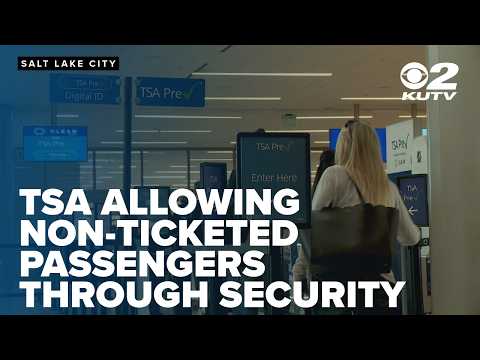
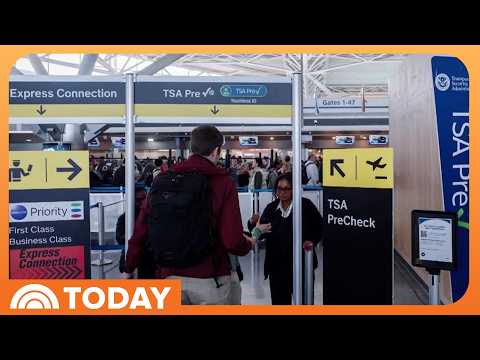
Saying goodbye at airport security has marked the end of the road for visitors since the 9/11 attacks. The Transportation Security Administration's new Gateside program changes that at 13 US airports, where approved TSA PreCheck members without tickets can enter gate areas.

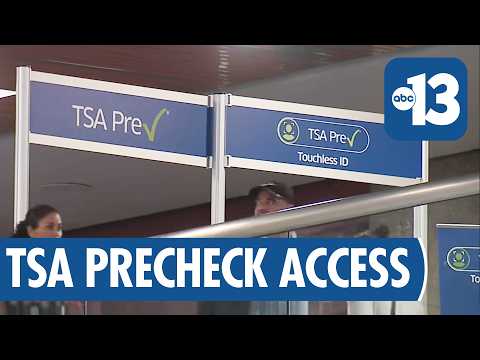
The free program requires an online application one to three days in advance. Visitors pass through TSA PreCheck screening lanes with acceptable identification, and their pass is valid for one calendar day. The pass doesn't permit boarding a plane, approval isn't guaranteed, and airports can cap daily passes.

Why it matters

Families can again walk travelers to the gate at 13 US airports, free for PreCheck members, restoring a ritual lost after 9/11.

Questions about this story

Free account needed to ask — your question is kept and asked for you right after sign-up. Answers are public.

No questions yet — be the first to ask.

Key Indicators

13
Airports in Gateside pilot
Includes Los Angeles, Dallas-Fort Worth, Las Vegas, San Diego, Salt Lake City, and eight others.
25
Years since 9/11
Gate access for non-ticketed visitors was largely eliminated after the 2001 attacks.
$0
Cost of Gateside pass
The program is free for eligible TSA PreCheck members with a Known Traveler Number.
20M+
Direct TSA PreCheck enrollees
More than 40 million travelers can use PreCheck lanes via other trusted traveler programs like Global Entry.

Voices

Curated perspectives — historical figures and your fellow readers.

Ever wondered what historical figures would say about today's headlines?

Sign up to generate historical perspectives on this story.

People Involved

Organizations Involved

Timeline

September 2001 September 2026

4 events Latest: 5 days ago
Tap a bar to jump to that date
  1. TSA launches Gateside at 13 airports

    Latest Policy

    TSA launches Gateside by TSA PreCheck, letting eligible non-ticketed members clear security and reach gate areas. The free program requires online application one to three days in advance. ABC News reported the program active on September 7.

  2. Pittsburgh pilots myPITpass

    Pilot Program

    Pittsburgh International Airport experiments with myPITpass, letting non-ticketed visitors pass through security for a fee. The program is a local experiment, not a federal initiative.

  3. Congress creates the TSA

    Policy

    The Aviation and Transportation Security Act establishes the TSA to take over passenger and baggage screening. Secure areas become limited to ticketed passengers and authorized personnel.

  4. 9/11 attacks transform airport security

    Event

    Terrorist attacks kill nearly 3,000 people and expose major gaps in airport screening. Non-ticketed access to gates is sharply restricted within days.

Scenarios

1

Gateside Expands to Dozens of US Airports

Likely Resolves by Sep 9, 2027

Discussed by: TSA officials and KERA News reporting

TSA selected the initial 13 airports based on size and population and has said it plans to expand. If screening lines stay smooth and demand materializes, the agency is expected to announce a second wave of participating airports within the year. TSA spokesperson Jessica Mayle said the agency hopes the program is 'very popular' and expects to grow it.

2

Security Concerns or Crowding Halt Gateside

Possible Resolves by Sep 9, 2027

Discussed by: Newsweek, The Independent

Each airport's federal security director can limit daily pass numbers, and TSA has said it won't let the program disrupt screening for ticketed passengers. A security incident or sustained checkpoint congestion at participating airports could prompt the agency to pause or end the pilot.

3

Gateside Stays Put at the Original 13 Airports

Possible Resolves by Sep 9, 2027

Discussed by: Simple Flying analysis

The program could hold steady, remaining a niche benefit for PreCheck members at the current airports without expanding or contracting. TSA would keep the pilot running indefinitely while it evaluates results, and daily pass caps would keep the program modest in scale.

Historical Context

3 moments from history that rhyme with this story — and how they unfolded.

Before September 2001

Pre-9/11 Gate Access (Before 2001)

For decades, anyone could walk to an airport gate without a ticket. Families gathered at departure gates, met arriving flights, and spent time together until boarding. Security checkpoints existed but did not bar non-passengers from gate areas.

Then

After the 9/11 attacks, non-ticketed access was almost entirely eliminated. Only ticketed passengers, crew, and authorized personnel could enter secure areas.

Now

The restriction became a permanent feature of American air travel, reshaping how families experience airports for a generation.

Why this matters now

Gateside is the first centralized federal attempt to restore something close to the pre-9/11 norm at US airports.

2011 to present

TSA PreCheck Launch (2011)

TSA launched PreCheck in 2011 as a trusted traveler program, letting pre-vetted passengers use expedited screening lanes. Membership grew to more than 20 million direct enrollees, with tens of millions more eligible through Global Entry and other trusted traveler programs.

Then

PreCheck lanes cut wait times for members and shifted TSA toward risk-based, credential-based screening.

Now

The trusted traveler framework became the foundation for Gateside, which relies on the same PreCheck vetting to admit non-ticketed visitors.

Why this matters now

Gateside extends the PreCheck trust model from ticketed travelers to people who aren't flying at all.

2017

Pittsburgh myPITpass (2017)

Pittsburgh International Airport launched myPITpass, letting non-ticketed visitors pay a fee to pass through security and reach the terminal. It was a local experiment run by the airport, not a federal program.

Then

The program demonstrated local demand for gate access and drew attention from airports and the TSA.

Now

It remained limited to one airport and never scaled nationally, leaving a gap in the market that Gateside now fills.

Why this matters now

Gateside builds on the myPITpass concept but replaces a one-off local scheme with a centralized TSA framework designed to expand.

Sources

(12)