


Pull to refresh
Logo
TSA removes chairs from airport ID checkpoints

TSA removes chairs from airport ID checkpoints

Rule Changes

Union files to bargain over the rule as Republicans press TSA to reverse it

Overview

Updated Oct 21

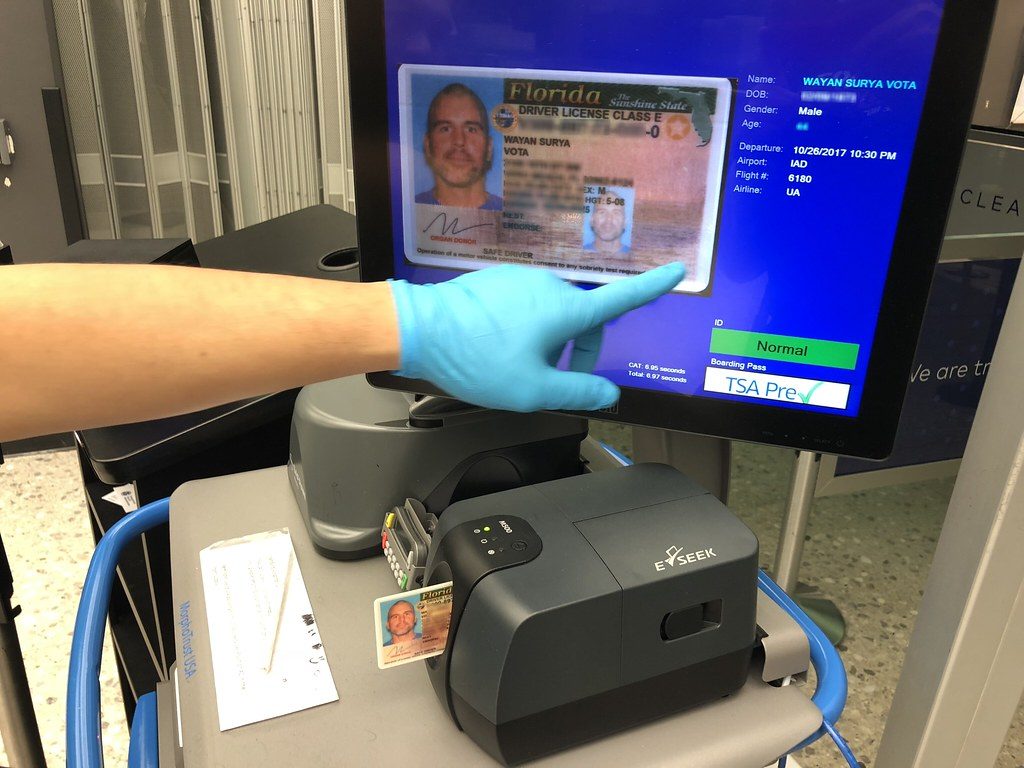
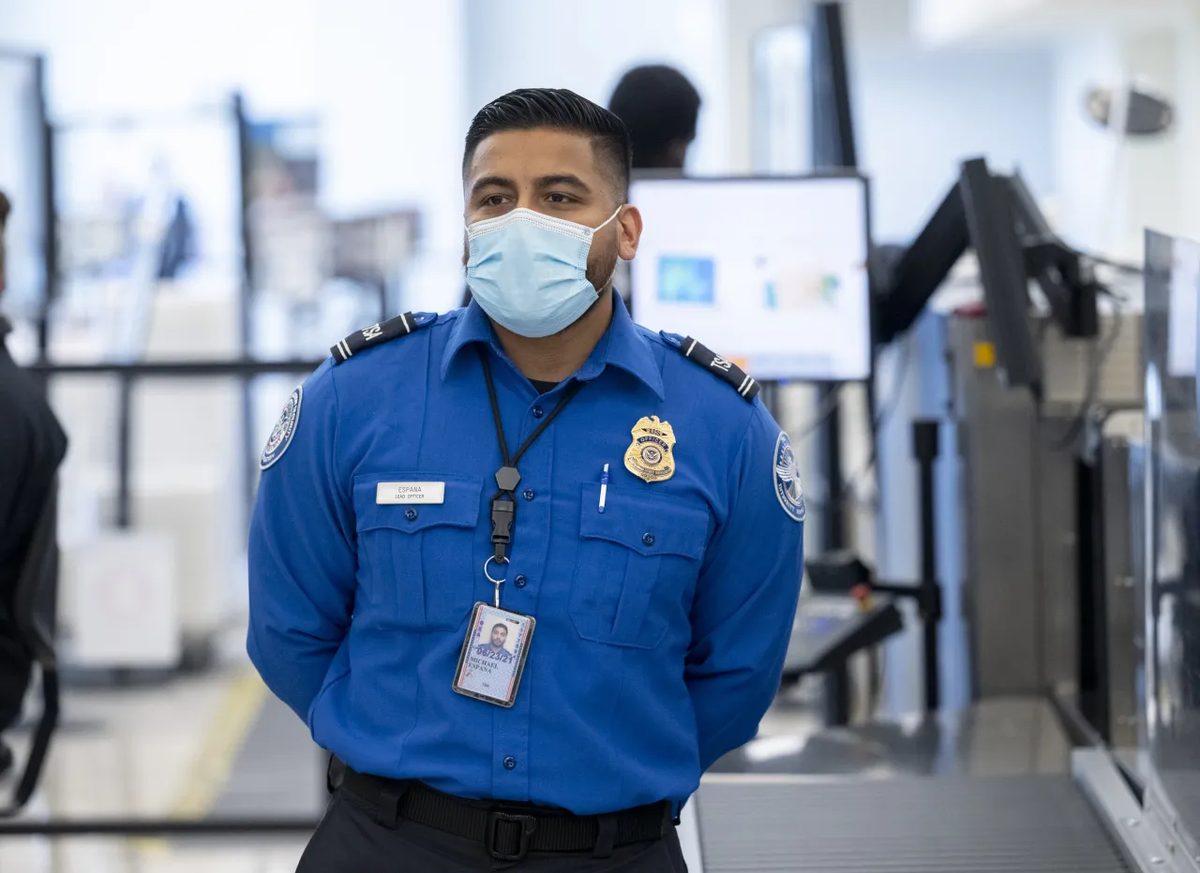
The Transportation Security Administration has removed chairs from travel document checkers at airport checkpoints nationwide. Officers who check boarding passes and IDs must stand while working the podium, which the agency says keeps them alert and improves the passenger experience.

The union filed a formal demand to bargain over the change on Oct. 8, arguing TSA had to negotiate working conditions first. On Oct. 9, Republicans led by Rep. Mike Turner of Ohio asked the agency to reverse the policy. TSA says officers watching X-ray screens may still sit.

Why it matters

If the standing policy drives officers to quit, airport screening lines slow further at an agency already short on staff.

Questions about this story

Free account needed to ask — your question is kept and asked for you right after sign-up. Answers are public.

No questions yet — be the first to ask.

Key Indicators

50,000
TSA officers employed
Airport security workers affected by the standing policy.
~500
Officers who quit during shutdown
Nearly 500 TSA officers resigned after the February 2026 government shutdown left them unpaid.
9,400+
Proposed staff cuts
President Donald Trump proposed cutting more than 9,400 TSA workers in April 2026.
2x
Heart risk for standing jobs
A 2017 study of 7,320 Ontario workers found mostly standing jobs carried about twice the heart disease risk of mostly sitting jobs, AFGE says.

Voices

Curated perspectives — historical figures and your fellow readers.

Sign up to generate historical perspectives on this story.

People Involved

Organizations Involved

Timeline

February 2026 October 2026

12 events Latest: October 9th, 2026 · 1 month ago Showing 8 of 12
Tap a bar to jump to that date
  1. Republican lawmakers urge TSA to reverse chair removal

    Latest Political pressure

    A group of Republican members of Congress led by Rep. Mike Turner (R-OH) sends a letter asking TSA to 'immediately reverse' its standing policy for checkpoint officers.

  2. Union files demand to bargain over chair removal

    Labor action

    AFGE TSA Council 100 asks TSA to negotiate the change, arguing the contract requires bargaining over personnel policies and working conditions.

  3. Cummins calls chair removal the 'right thing to do'

    Statement

    At an Airports Council International event, the TSA administrator acknowledged 'not everybody was happy' with the decision but defended it. He also said officers in other roles, such as those at X-ray screens, may still sit.

  4. AFGE launches public campaign against standing policy

    Labor action

    The union representing TSA officers launches a public campaign to push back on the policy, calling it a safety hazard and a disregard for workers' rights.

  5. Officers asked to sign 'Security Operations Pledge'

    Policy change

    Days after chairs were removed, TSA officers are handed a pledge to sign that asks them to support 'the well-being and morale of our colleagues.'

  6. TSA confirms chairs removed from ID checkpoints

    Policy change

    Agency says officers must stand during document-check rotations; removals already underway at most airports.

  7. TSA orders chairs removed from checkpoints

    Policy change

    Agency officials order chairs removed from travel document check stations, effective immediately. The union says it was not consulted before the change.

  8. David Cummins confirmed as TSA administrator

    Appointment

    New administrator takes over and launches the Horizon 25 initiative program.

  9. Trump proposes cutting 9,400 TSA workers

    Budget proposal

    Proposal would cut more than 9,400 workers and over $1.5 billion from the agency.

  10. Trump orders government to pay TSA agents

    Executive action

    Nearly 500 officers had quit since the shutdown began; Trump directs Homeland Security to pay 50,000 workers.

  11. Government shutdown strands TSA officers without pay

    Labor dispute

    Partial federal shutdown begins; TSA officers continue working without pay.

Scenarios

1

TSA restores chairs after union grievance or congressional pressure

Possible Resolves by Q2 2027

Discussed by: AFGE TSA Council 100, House Homeland Security Committee Democrats

The union files a formal grievance, or House Democrats hold hearings that pressure the agency to reverse course. Cummins could frame a reversal as responsive to worker feedback while keeping other Horizon 25 changes intact.

2

Standing policy becomes permanent TSA practice

Likely Resolves by Q3 2027

Discussed by: TSA leadership

No organized resistance forces a reversal. The policy normalizes as part of Cummins' broader operational changes. Officers rotate through standing document-check shifts and unions shift focus to other Horizon 25 changes.

3

Court ruling or legislation forces a compromise

Unlikely Resolves by End of 2027

Discussed by: AFGE legal counsel, House Homeland Security Committee members

The union files a lawsuit on ergonomic or labor-practice grounds, or lawmakers attach language to an appropriations bill requiring TSA to provide seating. Either route could force TSA to negotiate a modified policy.

4

Appeals court ruling reshapes TSA labor relations

Uncertain Resolves by End of 2027

Discussed by: AFGE legal counsel, DHS

DHS's appeal of the collective bargaining ruling could determine how much say the union has in future working condition changes. If DHS wins, TSA could implement changes like the chair removal without union input. If AFGE prevails, the agency must negotiate.

5

TSA negotiates a seating compromise with the union

Possible Resolves by End of 2026

Discussed by: AFGE TSA Council 100

The Oct. 8 demand to bargain forces TSA to negotiate the chair removal. A deal could restore seats at some podiums or set limits on standing time while leaving other Horizon 25 changes in place.

Historical Context

2 moments from history that rhyme with this story — and how they unfolded.

February-March 2026

2026 government shutdown (February 2026)

A partial federal shutdown left roughly 50,000 TSA officers working without pay. Nearly 500 officers quit during the impasse, and airport security lines stretched at major hubs. Trump ordered the Homeland Security Department to pay the workers in late March.

Then

Workers were paid, but the resignations and unpaid labor deepened staffing shortfalls and morale problems.

Now

The episode showed how quickly TSA working conditions become a political flashpoint, and set the stage for management decisions like the chair removal.

Why this matters now

The standing policy lands months after officers worked unpaid shifts and 500 colleagues quit. The union sees the chair removal as another management decision that ignores worker well-being.

December 2018-January 2019

2018-2019 federal government shutdown (December 2018-January 2019)

The longest shutdown in US history at the time ran 35 days. TSA officers worked without pay, and absenteeism spiked to about 10 percent at the peak. Officers reported taking side jobs and relying on food banks.

Then

The shutdown ended with a funding deal, and TSA officers received back pay.

Now

It cemented a pattern of TSA officers being used as leverage in budget fights and raised recurring questions about their working conditions.

Why this matters now

The 2018-2019 episode and the 2026 shutdown both show TSA officers absorbing hardship from decisions made above them. The chair removal adds to that pattern.

Sources

(15)