
Pull to refresh
Logo
TSA plans facial comparison e-gates at Logan, no timeline set

TSA plans facial comparison e-gates at Logan, no timeline set

New Capabilities Boston, MA local

New technology would let PreCheck travelers keep ID and boarding pass in pocket

Yesterday: Cummins announces e-gates and new scanners for Logan

Overview

Updated Yesterday

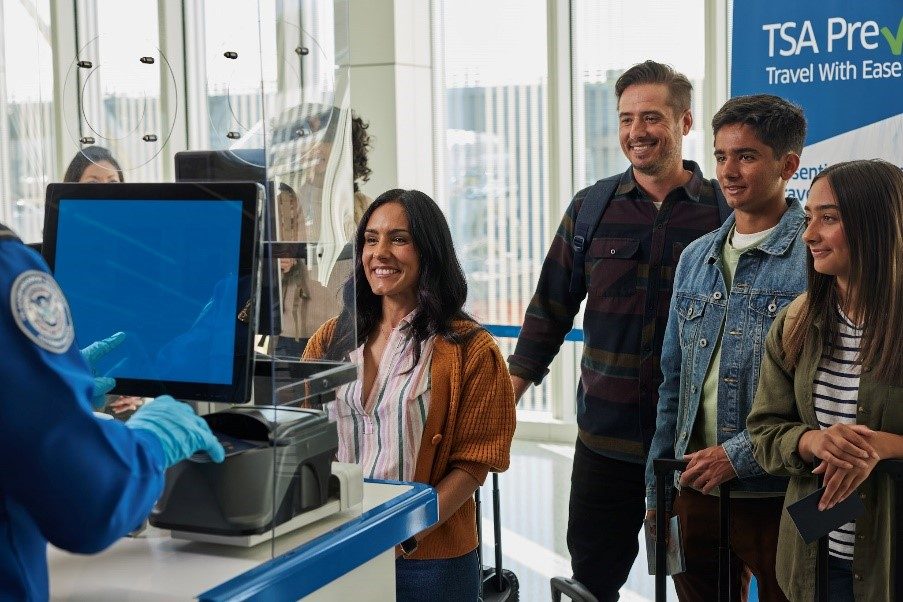
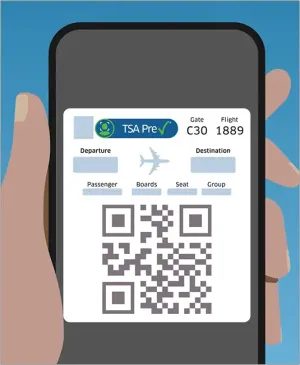
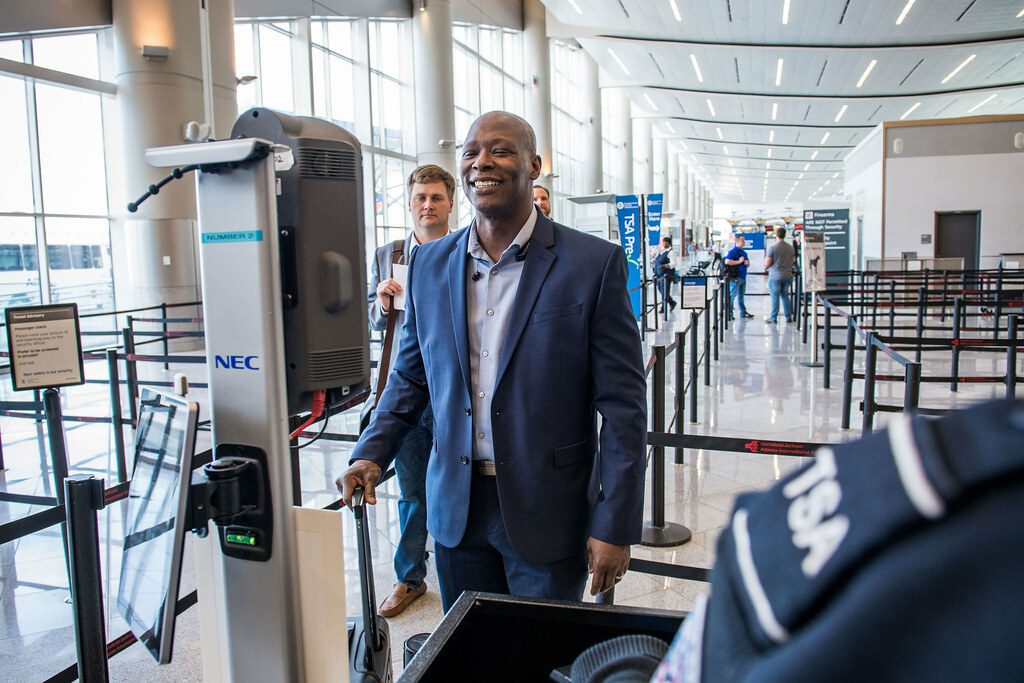
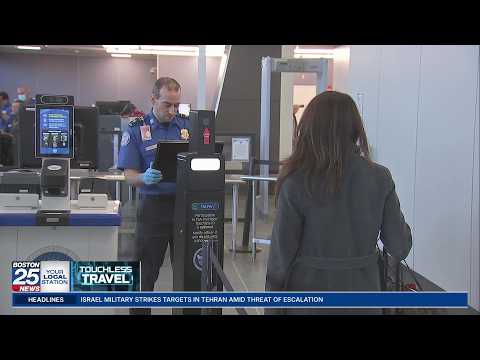
TSA Administrator David Cummins says Logan Airport will get e-gates with facial comparison technology. PreCheck travelers could keep their driver's license and boarding pass in their pocket and walk through security. The agency hasn't said when.

The change is part of TSA's Horizon 25 Strategy. It also includes 3D bag scanners that 'digitally unpack' luggage and walk-through body scanners that don't require the hands-up pose. A separate pilot now lets non-travelers accompany passengers to the gate at 13 airports — a practice barred since the September 11 attacks.

Why it matters

If the rollout proceeds, your face becomes your boarding pass at Logan — the post-9/11 ritual of showing ID at security starts to disappear.

Questions about this story

Free account needed to ask — your question is kept and asked for you right after sign-up. Answers are public.

No questions yet — be the first to ask.

Key Indicators

13
Airports with gate access pilot
TSA PreCheck members can accompany travelers to the gate at 13 airports.
0
TSA e-gates deployed at Logan
Logan has CLEAR eGates, but TSA's own e-gates have no deployment schedule.
25
Years since 9/11
The security regime being updated was established after the September 11 attacks.

Voices

Curated perspectives — historical figures and your fellow readers.

Ever wondered what historical figures would say about today's headlines?

Sign up to generate historical perspectives on this story.

People Involved

Organizations Involved

Timeline

November 2001 September 2026

4 events Latest: Yesterday
Tap a bar to jump to that date
  1. Cummins announces e-gates and new scanners for Logan

    Latest Announcement

    TSA administrator says Logan will get facial comparison e-gates, 3D bag scanners, and walk-through body scanners. No timeline given.

  2. David Cummins sworn in as TSA administrator

    Leadership

    Cummins becomes TSA's eighth administrator, pledging to modernize airport security.

  3. Remote screening pilot launches at Framingham

    Pilot Program

    TSA and Massport open a remote screening terminal in Framingham for Logan passengers on JetBlue and Delta.

  4. TSA created after 9/11 attacks

    Founding

    Congress creates TSA to federalize airport security after the September 11 attacks.

Scenarios

1

TSA installs e-gates at Logan by 2027

Likely Resolves by End of 2027

Discussed by: TSA officials, Boston.com

TSA deploys e-gates with facial comparison technology at Logan within the next year. PreCheck travelers walk through without showing ID. The rollout follows the Horizon 25 Strategy timeline.

2

Privacy concerns delay Logan e-gate rollout

Possible Resolves by End of 2027

Discussed by: ACLU, privacy advocates

Civil liberties groups raise concerns about facial recognition and biometric data collection. Lawmakers or lawsuits delay the rollout, pushing the timeline beyond 2027.

3

Logan opts into gate access pilot

Possible Resolves by End of 2027

Discussed by: Logan Airport spokesperson, CBS Boston

Logan monitors the gate access pilot's success at 13 airports and decides to opt in, allowing non-travelers to accompany passengers to the gate.

Historical Context

3 moments from history that rhyme with this story — and how they unfolded.

November 2001 - 2002

Post-9/11 Security Overhaul (2001-2002)

After the September 11 attacks, the U.S. created TSA and federalized airport security. Passengers faced new ID checks, shoe removal, and restrictions on liquids and sharp objects.

Then

Airport security became a federal function with standardized screening procedures.

Now

The post-9/11 security regime became the baseline for air travel for 25 years.

Why this matters now

The e-gate rollout represents the first major shift away from the document-check regime established after 9/11.

2010

Body Scanner Introduction (2010)

After the 2009 Christmas Day bombing attempt, TSA deployed full-body scanners at U.S. airports. The machines sparked privacy concerns and protests over 'virtual strip searches.'

Then

TSA installed hundreds of body scanners and modified software to address privacy concerns.

Now

Body scanners became standard at U.S. airports, and the privacy debate set a precedent for biometric screening.

Why this matters now

The walk-through body scanners and facial comparison e-gates are the next generation of the same technology debate.

2000s-present

E-Gates in Other Countries (2000s-present)

The UK, Australia, and other countries deployed biometric e-gates for passport control, letting travelers scan their face or passport to enter without an officer.

Then

E-gates reduced wait times at border control in participating countries.

Now

Biometric border screening became the global standard, with the U.S. now catching up.

Why this matters now

The U.S. is adopting technology that has been standard in other countries for years, but with added complexity from TSA's layered security model.

Sources

(3)