

Pull to refresh
Logo
FAA expands inspection options for single-engine turbine airplanes and drones

FAA expands inspection options for single-engine turbine airplanes and drones

Rule Changes

A final rule lets owners replace annual or 100-hour inspections with manufacturer or FAA-approved programs, and gives part 135 drone operators the same choice.

Overview

Updated 2 hours ago

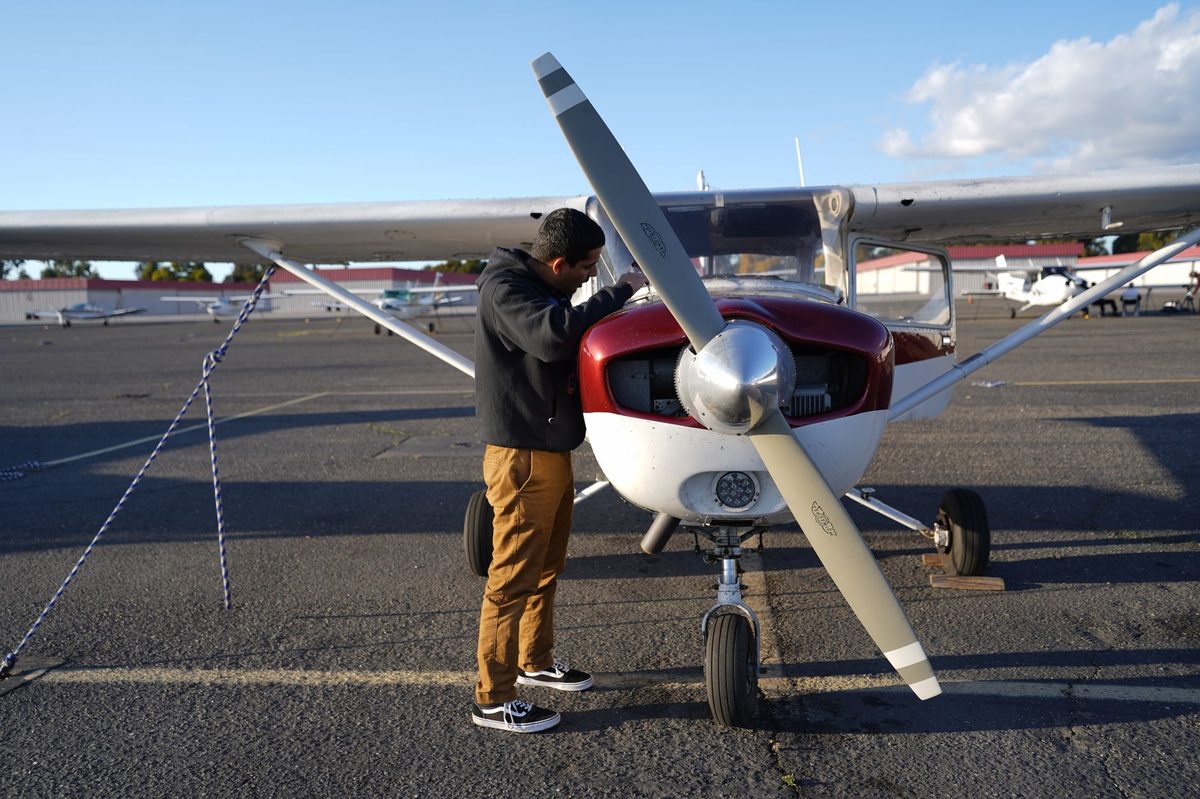
Single-engine turbine airplanes have flown under a stricter inspection menu than turbine helicopters since 1989. A final rule published November 10, 2026 gives their owners the same choices helicopter operators have had for 37 years.

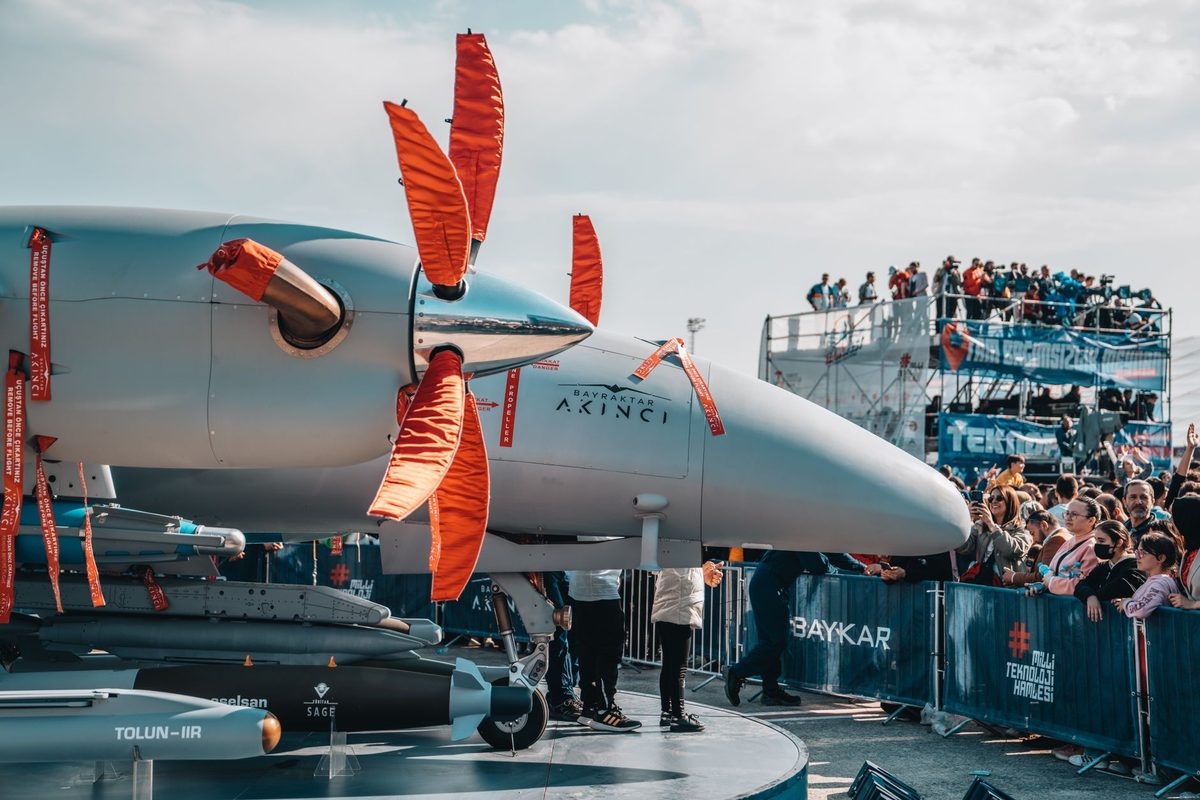
The change lets owners of those airplanes, and operators of unmanned aircraft under part 135, replace fixed annual or 100-hour inspections with a manufacturer's recommended program or one the owner writes and the Federal Aviation Administration (FAA) approves. The rule takes effect January 11, 2027. The FAA estimates $57.02 million in annualized net savings.

Why it matters

About 4,500 U.S.-registered single-engine turbine airplanes can now replace fixed annual inspections with programs tailored to how they actually fly.

Questions about this story

Free account needed to ask — your question is kept and asked for you right after sign-up. Answers are public.

No questions yet — be the first to ask.

Key Indicators

$57.02M
Annualized net cost savings
FAA estimate at a 7 percent discount rate over 10 years.
4,500+
U.S.-registered single-engine turbine airplanes
The fleet the rule newly covers.
96 hours
Mechanical reliability reporting window
Up from 72 hours; electronic submission is also allowed.
Jan 11, 2027
Effective date
Inspection and reporting changes apply after this date.

Voices

Curated perspectives — historical figures and your fellow readers.

Sign up to generate historical perspectives on this story.

Organizations Involved

Timeline

1989 November 2026

4 events Latest: Yesterday
Tap a bar to jump to that date
  1. Final rule published

    Latest Rulemaking

    FAA finalizes expanded inspection programs, a 96-hour reporting window, and electronic reliability reports.

  2. Proposed rule published

    Rulemaking

    FAA proposes letting single-engine turbine airplanes and unmanned aircraft use the inspection options in 14 CFR 91.409(f).

  3. Drone integration brings case-by-case inspection exemptions

    Policy

    As unmanned aircraft enter the airspace, FAA exemptions generally require manufacturer inspection instructions or approved programs.

  4. FAA expands inspection options for turbine rotorcraft

    Rule change

    Turbine helicopters gain manufacturer and FAA-approved inspection alternatives; single-engine turbine airplanes are left out as rare.

Scenarios

1

Manufacturers publish inspection programs and owners adopt them

Possible Resolves by End of 2027

Discussed by: Vertical Aviation International and AVweb, which flagged the pace of manufacturer publication as the main unknown

The rule only helps if manufacturers write programs owners can use. A manufacturer program must be the most current available when selected, and the FAA does not have to approve each one individually. If a turboprop maker publishes a program in 2027, owners can adopt it by recording the choice in maintenance records.

2

Operators write their own programs and seek FAA approval

Possible Resolves by Q2 2028

Discussed by: Vertical Aviation International

High-utilization operators may prefer a custom program built around their flight schedule. That route requires FAA approval under 14 CFR 91.409(f)(4), a slower process than adopting a manufacturer program but one that can fit a specific mission.

3

Part 135 drone operators switch to part 91 inspection programs

Likely Resolves by End of 2027

Discussed by: Vertical Aviation International

Commercial drone operators under part 135 can now follow part 91 inspection rules, choosing a manufacturer-recommended program or an FAA-approved owner program. The FAA had been granting exemptions that required manufacturer instructions. The rule turns that practice into a standing option.

Historical Context

2 moments from history that rhyme with this story — and how they unfolded.

1989

Turbine rotorcraft inspection update (1989)

The FAA amended 14 CFR 91.409(e) to let turbine-powered helicopter operators use manufacturer-recommended or FAA-approved inspection programs instead of annual or 100-hour checks. Single-engine turbine airplanes were excluded because they were uncommon at the time.

Then

Helicopter operators could schedule inspections around use rather than the calendar.

Now

Manufacturer programs became a safe, standard alternative, and the FAA later cited that record when extending the option.

Why this matters now

The 2026 rule applies the same logic to airplanes and unmanned aircraft, after the single-engine turboprop fleet passed 4,500.

2016

Drone exemptions and integration (2016)

As unmanned aircraft entered the national airspace, the FAA granted exemptions and waivers that generally required operators to follow manufacturer inspection instructions or fold them into an approved maintenance program.

Then

Operators got case-by-case permission rather than a standing rule.

Now

The exemption stack grew, and the FAA began writing those expectations into permanent regulations.

Why this matters now

The final rule moves part 135 drone inspection requirements into part 91, reducing the need for individual exemptions.

Sources

(7)