Trump fires Attorney General Pam Bondi, installs personal defense lawyer as acting head of Justice Department
Rule Changes
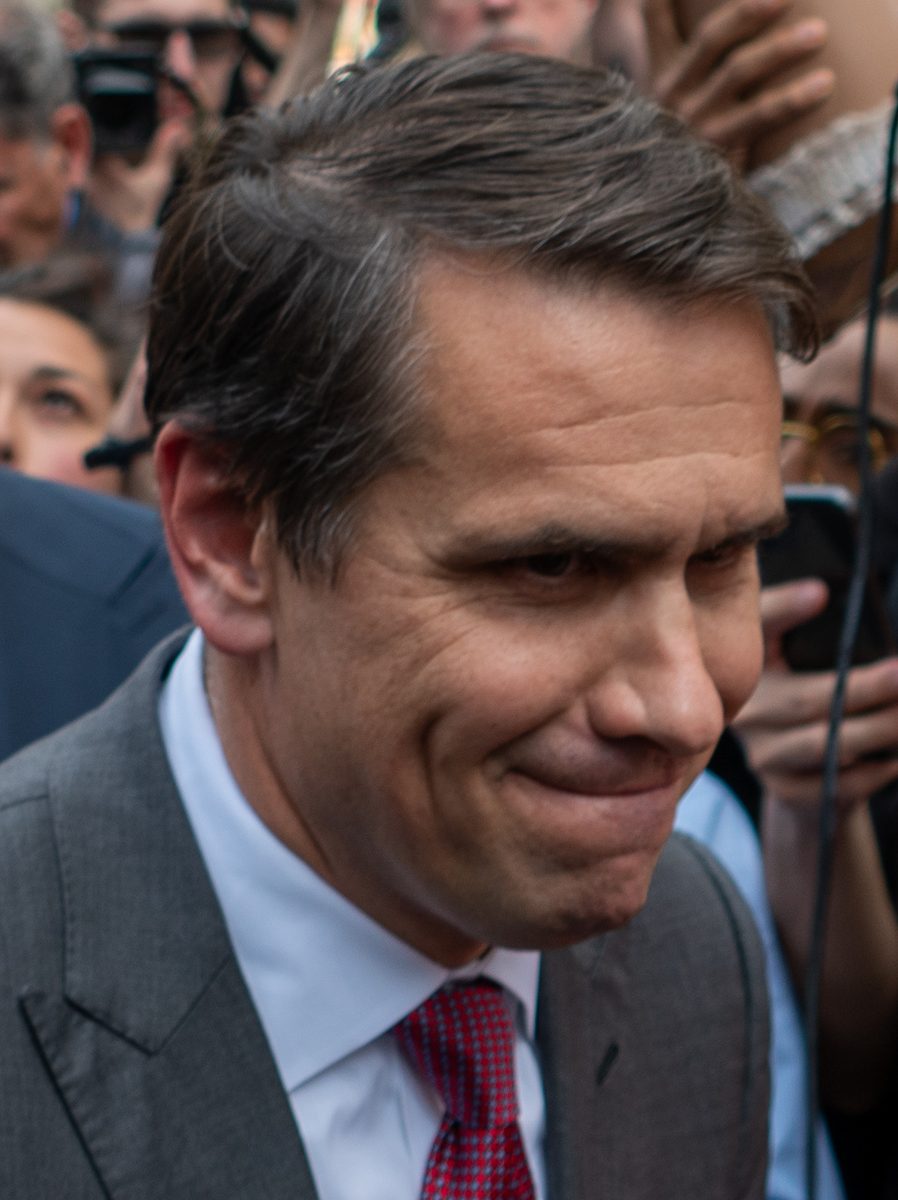
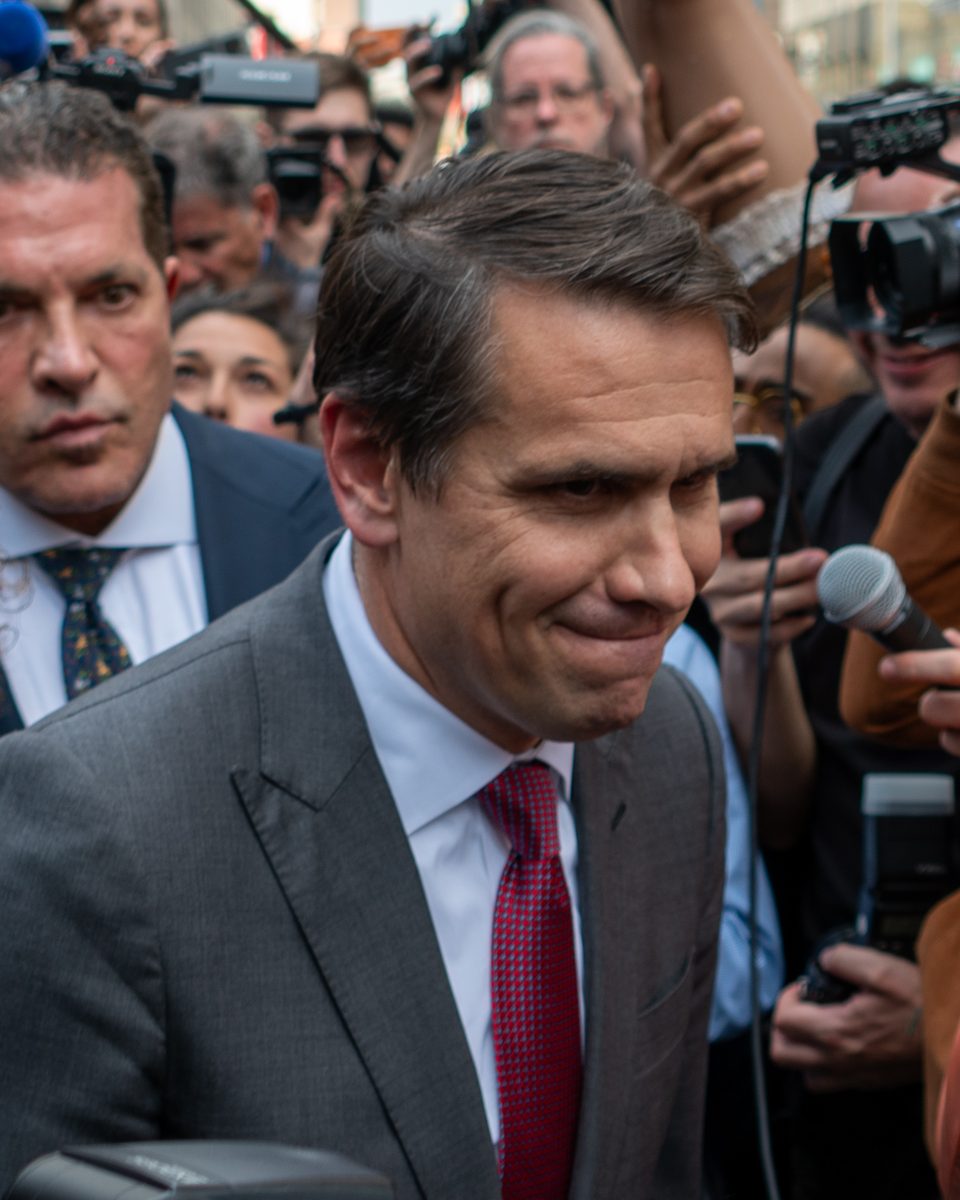
Todd Blanche, who defended Trump in the Manhattan criminal trial, is the fourth person to lead DOJ in the Trump era as Senate Republicans weigh Lee Zeldin's nomination
Todd Blanche, who defended Trump in the Manhattan criminal trial, is the fourth person to lead DOJ in the Trump era as Senate Republicans weigh Lee Zeldin's nomination
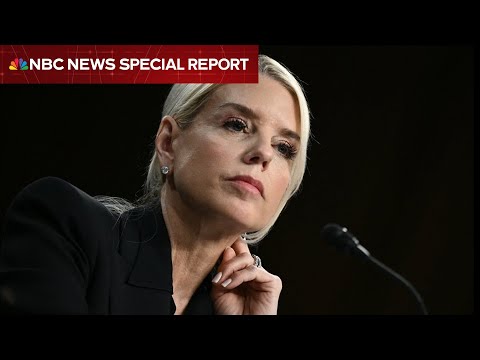
President Trump fired Attorney General Pam Bondi on April 2, 2026, replacing her with Deputy Attorney General Todd Blanche, who defended Trump in the Manhattan criminal trial before joining the DOJ. He's the fourth Justice Department leader under Trump, after Sessions, Barr, and Bondi. Senate Judiciary Committee Republicans signaled they'd consider EPA administrator Lee Zeldin as permanent replacement. Legal scholars questioned whether Blanche could simultaneously serve as both acting attorney general and acting Librarian of Congress.
Bondi's ouster came twelve days before her scheduled deposition on the DOJ's handling of Jeffrey Epstein files. On April 3, House Oversight confirmed the subpoena remains valid and Bondi, now a private citizen, can't claim executive privilege. Federal judges dismissed politically sensitive prosecutions Bondi brought against FBI Director James Comey and New York Attorney General Letitia James. Trump had publicly pressured Bondi to move faster against his perceived enemies, at one point accidentally posting: 'We can't delay any longer, it's killing our reputation and credibility.' Trump is rapidly reshuffling his Cabinet, removing Homeland Security Secretary Kristi Noem in March.
Why it matters
The person who defended Trump in court now controls the federal agency that investigates and prosecutes crimes nationwide.
Questions about this story
Free account needed to ask — your question is kept and asked for you right after sign-up. Answers are public.
Images from Openverse under Creative Commons licenses.
Videos from YouTube.
Voices
Curated perspectives — historical figures and your fellow readers.
Dorothy Parker
(1893-1967) ·Jazz Age · wit
Fictional AI pastiche — not real quote.
"How refreshing to see a man appoint his own defense attorney as the nation's top law enforcement officer — one supposes it saves considerably on phone calls."
0% found this insightful
Ever wondered what historical figures would say about today's headlines?
Sign up to generate historical perspectives on this story.
17 events
Latest: April 3rd, 2026 · 5 months ago
Showing 8 of 17
JK to step
Tap a bar to jump to that date
Jump to
April 2026
Senate Republicans signal openness to Zeldin as permanent attorney general
LatestPolitical
Senate Judiciary Committee Republicans indicate they would consider EPA Administrator Lee Zeldin's nomination, though some express concerns about his lack of prosecutorial experience. Committee chairman Chuck Grassley said Zeldin's environmental deregulation record demonstrates executive competence.
House Oversight confirms Bondi subpoena remains valid despite firing
Congressional
Committee leadership stated that Bondi, now a private citizen, cannot claim executive privilege and remains obligated to testify on April 14 about DOJ's Epstein file handling. Democrats and Republican Nancy Mace both confirmed the subpoena stands.
Constitutional law experts at Harvard, Yale, and Georgetown raised questions about whether Blanche can legally serve simultaneously as acting attorney general and acting Librarian of Congress under the Federal Vacancies Reform Act. At least one lawsuit challenging the dual appointment has been filed.
Trump fires Bondi, names Blanche acting attorney general
Cabinet
Trump removed Bondi citing frustration over Epstein file handling and stalled prosecutions of political opponents. Blanche, the deputy attorney general, became acting head of the department. Lee Zeldin is reportedly the leading candidate for permanent replacement.
March 2026
House Oversight votes to subpoena Bondi on Epstein files
Congressional
The committee voted 24-19 on bipartisan lines to compel Bondi's testimony, with five Republicans joining Democrats. Deposition set for April 14.
Trump fires DHS Secretary Kristi Noem
Cabinet
Bondi's firing came weeks after Trump also removed Homeland Security Secretary Noem, replaced by Senator Markwayne Mullin.
February 2026
Congressman identifies redacted names in Epstein files
Investigation
Representative Ro Khanna identified six redacted names after reviewing unredacted files, including Emirati businessman Sultan Ahmed bin Sulayem.
January 2026
DOJ publishes 3.5 million pages of Epstein documents
Disclosure
The major release included over 2,000 videos and 180,000 images, but drew further scrutiny over redactions, victim identity failures, and removal of previously public documents.
December 2025
DOJ releases first Epstein files with heavy redactions
Disclosure
The initial release drew bipartisan criticism for over 500 entirely blacked-out pages and failure to meet the transparency law's requirements.
November 2025
Epstein Files Transparency Act passes Congress 427-1
Legislative
The House and Senate approved the Epstein Files Transparency Act with near-unanimous support. Trump signed it without reporters present.
September 2025
DOJ indicts former FBI Director James Comey
Legal
The Justice Department charged Comey with one count of false statements and one count of obstruction. A federal judge later dismissed both counts.
June 2025
DOJ fires prosecutors who worked on January 6 cases
Personnel
Bondi fired three career prosecutors who had worked on January 6 cases, part of a broader purge of over 20 employees connected to those investigations and the Special Counsel's office.
March 2025
Blanche confirmed as deputy attorney general
Confirmation
The Senate confirmed Todd Blanche, Trump's former criminal defense lawyer, as the number-two official at the Justice Department.
February 2025
Senate confirms Bondi 54-46
Confirmation
Bondi was confirmed with all 53 Republicans plus Democrat John Fetterman. She was sworn in the next day.
November 2024
Trump nominates Bondi after Gaetz withdraws
Appointment
Trump nominated Pam Bondi as attorney general after Matt Gaetz withdrew from consideration amid congressional scrutiny.
December 2020
William Barr resigns after rejecting election fraud claims
Precedent
Barr resigned after publicly stating there was no evidence of election fraud sufficient to change the outcome, breaking decisively with Trump.
November 2018
Trump forces Sessions out as attorney general
Precedent
Trump pushed out Jeff Sessions the day after midterm elections, citing anger over Sessions' recusal from the Russia investigation.
Scenarios
1
Zeldin confirmed as attorney general, DOJ takes harder line on prosecutions
Likely
Discussed by: TIME, CNBC, and conservative legal commentators who see Zeldin as more willing to pursue Trump's enforcement priorities
Trump nominates Lee Zeldin, who clears Senate confirmation with Republican support. Zeldin brings the same aggressive posture he showed at the EPA to the Justice Department, restarting stalled prosecutions of Trump opponents with properly appointed prosecutors to avoid the legal defects that sank Bondi's cases. This scenario depends on whether Senate Republicans remain unified — some moderates may resist confirming an EPA administrator with no prosecutorial experience to lead the DOJ.
Discussed by: Legal analysts at Lawfare and The Hill, noting the Federal Vacancies Reform Act's 210-day window and precedent from Matthew Whitaker's contested 2018 acting tenure
No permanent nominee clears the Senate quickly, and Blanche serves as acting attorney general for months. Under the Federal Vacancies Reform Act, he can serve up to 210 days — roughly through late October 2026 — while a nomination is pending. This would give Trump's former personal lawyer effective control of the Justice Department through the midterm election cycle. Legal challenges to his dual acting roles could complicate matters.
3
Bondi testifies before Congress, reveals internal DOJ pressure
Possible
Discussed by: House Oversight Democrats and Republican Representative Nancy Mace, who have both stated the subpoena remains valid
Bondi, now a private citizen with no executive privilege claims to shield her, sits for the April 14 deposition or a rescheduled hearing. Under oath, she describes the internal dynamics that led to her firing — including the extent of White House pressure on prosecutorial decisions and Epstein file handling. This scenario depends on whether Bondi cooperates voluntarily or fights the subpoena, and whether the committee enforces it.
4
Senate balks at Zeldin, forcing Trump to find another nominee
Possible
Discussed by: Senate watchers noting Zeldin's lack of prosecutorial experience and his controversial EPA tenure
Senate Judiciary Committee hearings surface concerns about Zeldin's qualifications — he has a law degree but spent most of his career in politics, not prosecution. Moderate Republican senators who supported Bondi's confirmation prove unwilling to confirm an EPA administrator as the nation's top law enforcement officer. Trump is forced to find a nominee with stronger legal credentials, extending Blanche's acting tenure and deepening uncertainty at the department.
5
Court invalidates Blanche's dual acting roles, forces resignation from one position
Possible
Discussed by: Constitutional law scholars at Lawfare, Harvard Law Forum, and government ethics experts
A federal court rules that the Federal Vacancies Reform Act prohibits one person from simultaneously holding two acting positions requiring Senate confirmation. Blanche is forced to choose between the DOJ and Library of Congress roles, or both appointments are voided. This would either restore the deputy attorney general to acting status or trigger a new succession crisis at the Justice Department.
6
Bondi defies subpoena, citing executive privilege despite private citizen status
Possible
Discussed by: Legal analysts debating scope of executive privilege post-office
Bondi refuses to appear for the April 14 deposition, arguing that discussions with the president about prosecutorial decisions remain privileged even after she leaves office. The House Oversight Committee votes to hold her in contempt, triggering a legal battle over whether former cabinet officials can invoke executive privilege for their tenure.
Historical Context
3 moments from history that rhyme with this story — and how they unfolded.
1 of 3
October 1973
Saturday Night Massacre (1973)
President Richard Nixon ordered Attorney General Elliot Richardson to fire Watergate Special Prosecutor Archibald Cox. Richardson refused and resigned. Deputy Attorney General William Ruckelshaus also refused and was fired. Solicitor General Robert Bork, third in line, carried out the order.
Then
The firings triggered a firestorm of public outrage and congressional action. Within days, impeachment resolutions were introduced in the House.
Now
The episode became the defining example of a president using DOJ leadership changes to obstruct accountability. It accelerated Nixon's downfall and led to post-Watergate reforms strengthening prosecutorial independence.
Why this matters now
Both events involve a president removing the attorney general amid frustration over the department's handling of politically sensitive matters. The key question is whether Bondi's firing carries similar political costs or whether the current political environment absorbs Cabinet shakeups more easily.
2 of 3
August 2007
Alberto Gonzales resignation (2007)
Attorney General Alberto Gonzales resigned after a congressional investigation revealed the DOJ had fired eight U.S. attorneys for political reasons, including prosecutors who had declined to bring cases against Democratic politicians before the 2006 elections. Gonzales testified before Congress nine times and said 'I don't recall' or similar phrases 71 times in one session.
Then
Several senior DOJ officials resigned. Congress investigated but no criminal charges resulted. President George W. Bush's credibility on rule-of-law issues suffered lasting damage.
Now
The scandal established a bipartisan norm that U.S. attorneys should not be fired for refusing to bring politically motivated prosecutions — a norm now being directly tested.
Why this matters now
The Gonzales episode centered on the same core tension: a president wanting the Justice Department to pursue cases that serve political interests. Bondi's firing for insufficiently aggressive prosecution of Trump opponents inverts the Gonzales scenario — here the attorney general is removed not for politicizing prosecutions, but for failing to politicize them aggressively enough.
3 of 3
November 2018
Jeff Sessions firing (2018)
Trump forced Attorney General Jeff Sessions to resign the day after the 2018 midterm elections, after nearly two years of public attacks over Sessions' recusal from the Russia investigation. Trump installed Sessions' chief of staff Matthew Whitaker as acting attorney general, bypassing Deputy Attorney General Rod Rosenstein.
Then
Legal scholars challenged Whitaker's appointment as unconstitutional because he had not been Senate-confirmed. Several lawsuits were filed but became moot when William Barr was confirmed as permanent attorney general in February 2019.
Now
The episode established that a president could effectively remove an attorney general over a specific investigative decision without facing significant political or legal consequences.
Why this matters now
Trump's firing of Bondi follows the same pattern — an attorney general removed for insufficient loyalty to the president's enforcement priorities. The Blanche appointment mirrors Whitaker's in placing a close Trump ally atop the department, though Blanche has the legal advantage of being Senate-confirmed as deputy attorney general.