

Christopher Reeve's Injury and Advocacy (1995-2004)
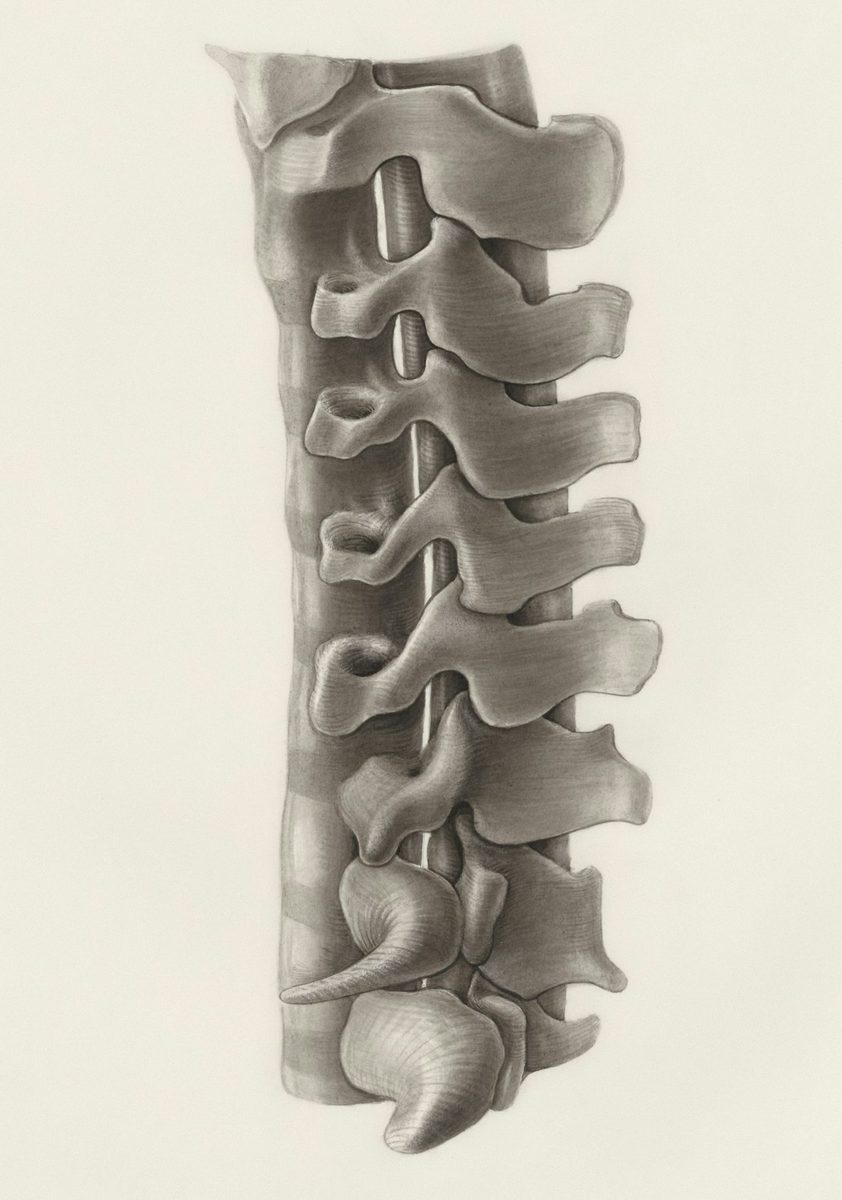
Actor Christopher Reeve, famous for playing Superman, was paralyzed from the neck down after a horse riding accident fractured his C1 and C2 vertebrae. Rather than retreat from public life, Reeve became the most visible advocate for spinal cord injury research in American history. He testified before Congress, lobbied for increased National Institutes of Health funding, and funded early basic science research that challenged the dogma that spinal cords could never heal.
Reeve's advocacy helped double the NIH budget from $12 billion to $27 billion between 1998 and 2003, with significant allocations to spinal cord research.
The Christopher & Dana Reeve Foundation has invested over $145 million in research, funding discoveries that now form the foundation of regenerative therapies in clinical trials. Reeve 'put a face on the injury' and transformed public perception of what paralysis research could achieve.
The CCN1 discovery builds directly on the research ecosystem Reeve helped create. The Reeve Foundation continues funding the preclinical studies that could translate basic discoveries like this into treatments.